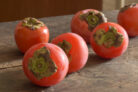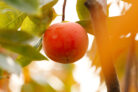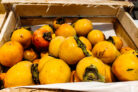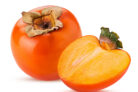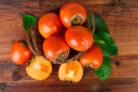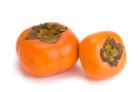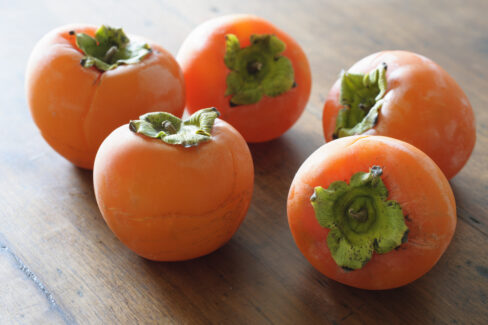
Persimmons are pretty much always in season, and when they’re perfectly ripe, they taste incredibly sweet and juicy—almost like a mix between a cantaloupe and an apricot. While these vitamin-packed fruits make their way to our grocery stores from Asia, Southern Europe, and South America, you’ll definitely find the best variety during the winter months.
Persimmon Season: When to Buy
Whether you call them Persimmons, Sharon fruit, or Kakis, you can find them on store shelves almost year-round. However, the peak selection usually hits between October and April.
During the fall and winter, we get those flavorful persimmons from Southern Europe, while the spring and early summer shipments are imported from South America:
- From January to March, look for fruit coming in from Israel.
- From March to June, they typically arrive from Chile and Brazil.
- From October to December, the supply comes from Spain, Italy, and Turkey.
How to Spot a Ripe Persimmon
You’ll find persimmons sold individually or in packs throughout the year. Depending on where they’re grown, they might vary slightly in color and shape.
Here’s what to look for in a ripe fruit:
- The flesh should be soft, almost jelly-like.
- The skin will have a slightly translucent, glassy shimmer.
- The fruit should give a little when you apply gentle pressure.
On the flip side, unripe persimmons are hard and loaded with tannins. If you take a bite too early, they’ll leave your mouth feeling fuzzy or “furry.” Don’t worry, though—those tannins disappear as the fruit ripens.
How to Ripen Persimmons at Home
If you picked up some firm fruit at the store, don’t sweat it! You can easily ripen them at home with these simple steps:
- Place the fruit in a fruit bowl.
- Don’t overcrowd them. Make sure they have plenty of air circulation and aren’t stacked on top of each other.
- Leave the bowl at room temperature for about two weeks.
Just a heads-up: because they are often harvested early for shipping, the flavor might not be quite as intense as fruit ripened on the tree.
Storing Fully Ripe Fruit
Once your persimmons are perfectly soft and ripe, move them to the refrigerator. This will help them stay fresh for about another week.
What’s Up With Those Brown Spots?
Persimmons are a great healthy snack, coming in at about 70 calories per 100 grams.
Because they have such a high natural sugar content, you might notice some brown spots on very ripe fruit. Don’t panic! These aren’t rotten spots; they’re actually just “sugar spots” that let you know the fruit is at its peak sweetness.