You can find pomegranates in grocery stores pretty much year-round these days, but they really shine during their peak season in the fall and winter. That’s when you’ll get that signature sweet-tart flavor we all love. Whether you’re picking one out at the market or lucky enough to harvest your own, knowing exactly when they’re ripe is the secret to success.
Growing in Warmer Climates
Originally, pomegranates hail from Western and Central Asia. To grow them outdoors year-round, you really need a climate with frost-free winters. Beyond their native lands, they’re now grown commercially in sunny spots all over the globe.
During the summer months, most of the pomegranates you see in the US come from places like South Africa or South America. However, the ones that hit the shelves in autumn and winter usually taste much better. Why? Because fruit shipped from halfway across the world is often picked too early to survive the journey. Since pomegranates don’t ripen after they’re picked, those early-harvested fruits end up being way too sour and don’t stay fresh as long.
Growing Pomegranates at Home
If you live in a cooler climate, don’t worry—you can still grow pomegranates in containers! These plants are actually tougher than they look; they can handle brief dips down to 23°F (-5°C), and some hardy varieties can even survive 14°F (-10°C). However, long periods of freezing weather can still damage the tree, which is why keeping them in pots is the way to go.
The good news is that overwintering them is pretty straightforward since they don’t mind the chill. An unheated greenhouse or a sunroom works great. If you don’t have those, just find a bright, frost-free spot around 50°F (10°C). During their winter nap, they’re very low-maintenance—just give them a little water every now and then.
How to Spot a Ripe Fruit
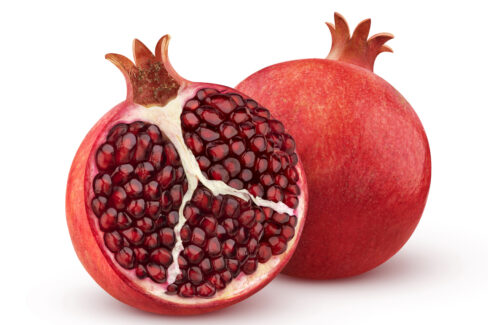
If you’re growing your own, patience is key: make sure you only harvest when they are fully ripe. You’ll know a pomegranate is ready when the skin starts to look a bit leathery or even slightly cracked. If you give it a gentle squeeze, it should have a little “give” but spring back into shape. The skin might look a bit mottled or spotted, which is fine, but avoid any with soft brown sunken spots—that’s a sign it’s overripe and likely spoiled inside.
Pro tip: Give the fruit a little tap. If it makes a metallic, hollow sound, it’s ready to go! You can enjoy those juicy arils fresh right away or store the fruit for a few weeks to enjoy later.