Powdery mildew isn’t something your azaleas can just shake off. In fact, this fungal disease spreads like wildfire once it gets a foothold. That’s why every gardener should know the warning signs and, more importantly, how to kick it to the curb for good. Let’s dive into the details.
How do I identify and treat mildew on an azalea?
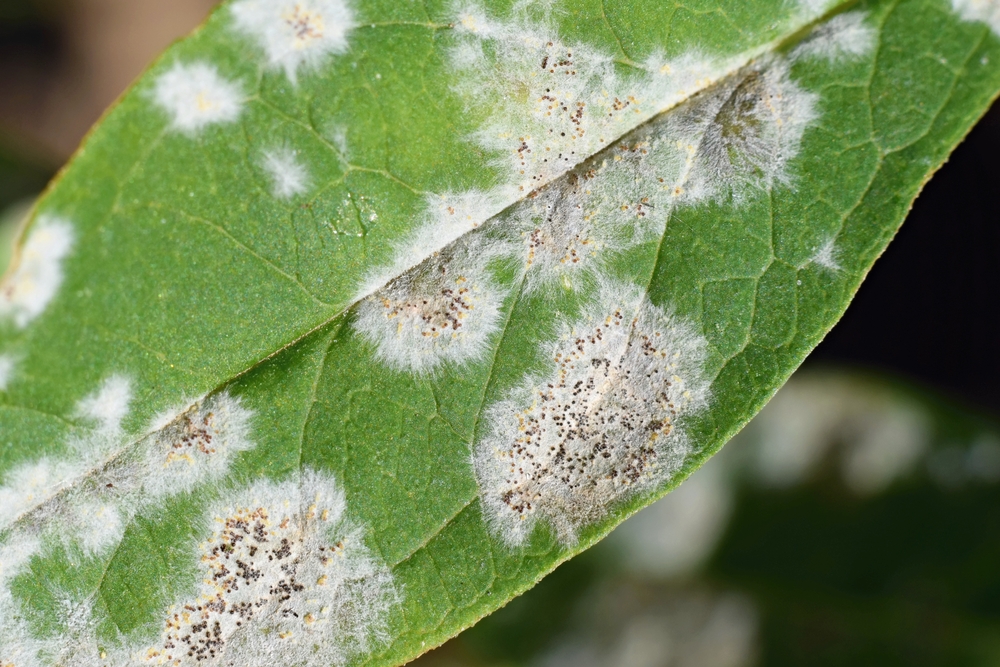
Azaleas usually get hit by powdery mildew in midsummer when the weather is warm and humid. You’ll notice the leaves getting covered in an increasingly thick, grayish-white fuzzy coating. To fix it, prune off the infected parts immediately and follow up with a DIY spray or a fungicide. Moving forward, try to avoid high-nitrogen fertilizers and don’t crowd your plants too closely together.
When does it strike and what kind of mildew is it?
The culprit here is specifically “powdery mildew.” While scientists are still learning about the exact specific pathogens involved—since “mildew” is actually a catch-all term for various fungi—we do know that not all azalea varieties are equally susceptible. You’ll usually see the first symptoms on warm midsummer days. These spores are often called “fair-weather fungi” because they love those balmy days, spreading easily via wind and splashing water.
How can I tell if my azalea has powdery mildew?
Powdery mildew is pretty hard to miss once it starts. Keep an eye out for these tell-tale signs:
- Small, irregular white spots appearing on the leaves.
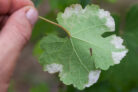
- A grayish-white, powdery coating over those spots.
- Spots that grow and merge until the entire top of the leaf is covered in a “fungal carpet.”
- The fungus eventually spreading to the undersides of the leaves.
- Affected leaves curling up and dropping off.
- Shoots turning black and slowly dying back.
- A noticeable stunt in the growth of new leaves and stems.
What causes mildew to thrive on azaleas?
The fungi behind powdery mildew live for heat and humidity. If your azalea is in a location where the air is stagnant and can’t circulate well, it’s a sitting duck. Also, going too heavy on nitrogen-rich fertilizer can make the plant’s tissues soft and more vulnerable to infection.
How do I get rid of powdery mildew on my azalea?
First things first: prune away all infected parts immediately. Toss them in the regular trash—never put them in your compost pile, as the spores can survive the composting process and come back to haunt you. Make sure to rake up any fallen leaves throughout the fall, too. For treatment, you can spray the plant with a classic home remedy like a milk-and-water mixture (1 part milk to 9 parts water). If the DIY route isn’t working, a standard fungicide for ornamental plants will do the trick.
How can I prevent mildew in the first place?
An ounce of prevention is worth a pound of cure! Here’s how to keep your plants healthy:
- Check leaves and shoots regularly for early signs.
- Strengthen your azaleas with organic plant tonics or teas.
- Use less nitrogen when fertilizing.
- Thin out dense branches in the fall to improve airflow.
- Avoid overcrowding your garden beds.
- Trim back neighboring plants if they are blocking the breeze.
Quick Tip: Is it mildew or “Azalea Gall”?
Sometimes, a white fungal coating can actually be a sign of Azalea Gall (also known as “Exobasidium leaf gall”). Take a close look to tell them apart: if you see thickened, fleshy, or swollen growths on the leaves along with the white coating, you’re likely dealing with galls rather than just powdery mildew.