If you’re growing grapes, there’s one uninvited guest you’re almost guaranteed to run into eventually: powdery and downy mildew. Both of these fungal diseases can really do a number on your vines, but the good news is that the game plan for dealing with them is pretty similar.
Know Your Mildews
Most gardeners just lump everything under the general category of mildew, but there are actually two distinct types you should watch out for:
- Powdery Mildew
- Downy Mildew
Powdery Mildew (The “Fair-Weather” Fungus)
I like to call Powdery Mildew the “fair-weather fungus” because it absolutely loves those gorgeous, sunny summer days when temperatures sit right between 70°F and 80°F.
Here’s what to look for:
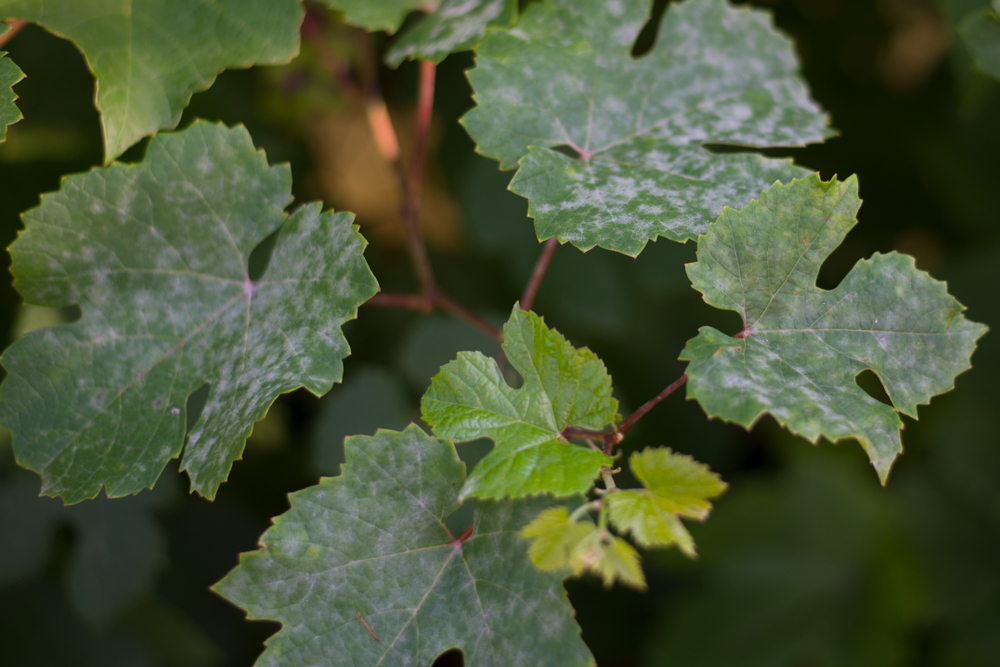
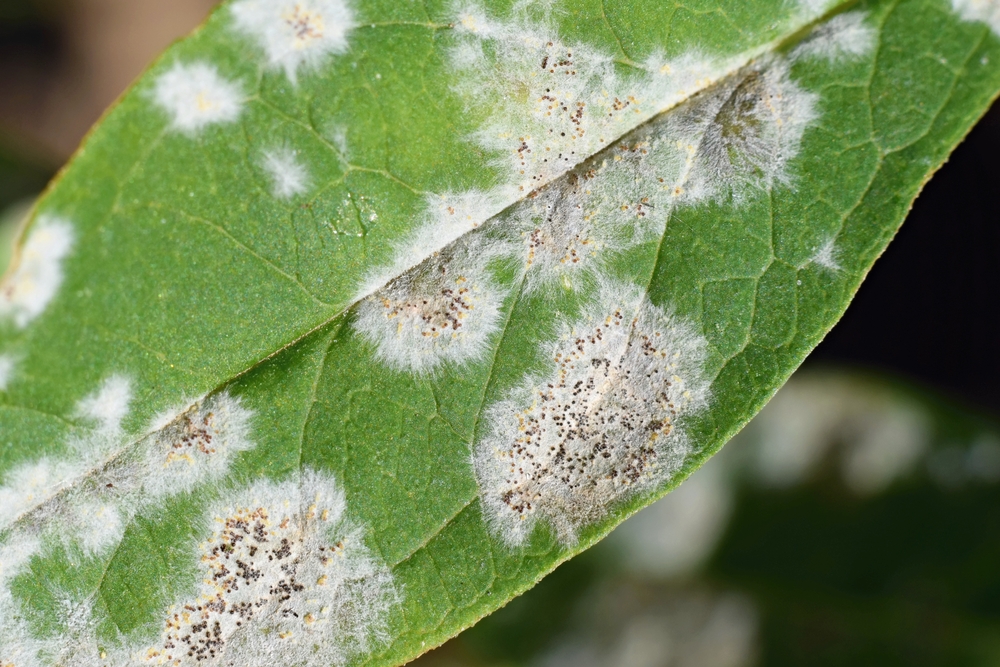
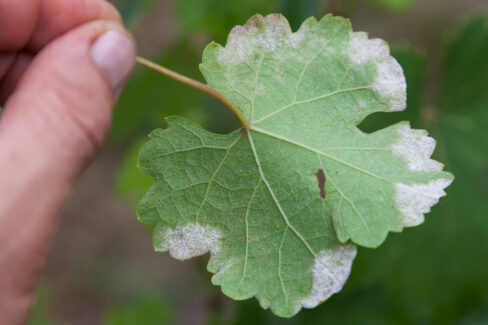
- White, dusty-looking spots on the undersides of the leaves.
- These spots eventually turn a grayish-brown color.
- Leaves often start to curl up.
- You might notice fine, cobweb-like structures on the plant.
- It doesn’t stop at the leaves—it can hit shoots, buds, flowers, and the grapes themselves.
- Unfortunately, infected grapes are a total loss and shouldn’t be eaten.
- If left unchecked, the vine will stop growing and eventually die off.
Downy Mildew (The “Bad-Weather” Fungus)
On the flip side, we have Downy Mildew, which is your “bad-weather fungus.” This guy thrives in cool, rainy conditions. It’s primarily spread by splashing rain and finds it super easy to hitch a ride on damp foliage.
The tell-tale signs include:
- A white, flour-like coating on the undersides of the leaves.
- Yellowish “oil spots” or pale patches on the tops of the leaves.
- Leaves will eventually wither and die.
- Young shoots that get infected will usually die off.
- Infected grapes will shrivel up, fall off the vine, and are definitely not edible.
How to Fight Back
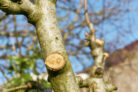
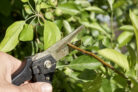
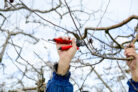
If you spot mildew, you’ve got to move fast! First things first: prune away any infected parts of the plant. Make sure to toss them in the regular trash—never put diseased clippings in your compost pile, or you’ll just spread the spores next season.
I always recommend starting with natural home remedies. Sprays made from milk, castile soap, baking soda, or fermented plant teas (like stinging nettle) work surprisingly well. Also, don’t forget your “garden police”—ladybugs and certain parasitic wasps actually love snacking on fungal spores!
Only reach for organic fungicides from the garden center if the infestation is really out of control. Keep in mind that using heavy-duty fungicides in a home garden is pretty strictly regulated, and since you probably want to actually eat your grapes, it’s best to keep things as natural as possible.