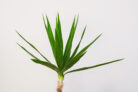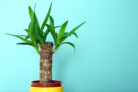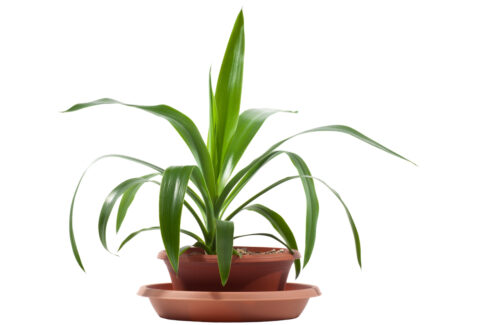
The Yucca, often called the Spanish Bayonet or Adam’s Needle, is one of those “set it and forget it” plants that we gardeners love because it’s so hardy. But even the toughest plants have their bad days. While it’s not super common, powdery mildew can occasionally crash the party, and it’s something you definitely want to take seriously.
Spotting the Signs
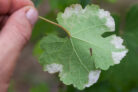
If you keep your Yucca strictly as a houseplant, you’ll rarely see powdery mildew. However, if you let your plants soak up the sun on the balcony or patio during the summer, the risk goes up. This fungus absolutely loves warm, dry weather. You’ll know you’re dealing with powdery mildew if you see:
- A whitish-yellow coating on the leaves.
- A residue that wipes off easily with your finger.
Pro tip: If that white stuff won’t budge when you rub it, you’re likely not looking at mildew. Instead, you might have an infestation of gall mites. These pests grow tiny white hairs that look almost exactly like a fungal infection to the untrained eye.
How to Fight Back
The good news is that if you catch it early, you can tackle powdery mildew with simple stuff you probably already have in your kitchen. Just act fast—this fungus spreads like wildfire! First things first: move your infected Yucca away from your other plants to keep the “cooties” from spreading.
Home Remedies for Mild Cases
The Milk Method
Mix one part fresh whole milk (raw milk from a local farm works best if you can get it!) with ten parts water. You can either wipe the leaves down with this mixture or give the whole plant a good misting. Do this a few times a week until the leaves look clean.
The Baking Soda & Oil Mix
This is a classic gardener’s recipe. Mix together:
- 1 tablespoon of baking soda (about one packet)
- 4 teaspoons (20 ml) of canola oil
- 2 quarts (2 liters) of water
Shake it up well and spray the Yucca thoroughly or apply it with a soft cloth. Repeat every few days for the best results.
What to Do for Serious Infections
If the mildew has really taken over or you didn’t catch it in time, don’t panic—you can still save your plant. Your best bet is to prune off the heavily affected leaves. Just make sure to toss them in the trash, not the compost pile, so the spores don’t stick around. If things are looking really dire, you can also head to the garden center for a specialized fungicide to get the job done.