Mildew is a pesky fungal disease that can unfortunately take a toll on your hydrangeas. But don’t worry! If you catch it early and take the right steps, you can get your plants back to their healthy, vibrant selves in no time. Here’s how to spot the signs and treat your hydrangeas effectively.
Powdery Mildew vs. Downy Mildew: How to Tell the Difference
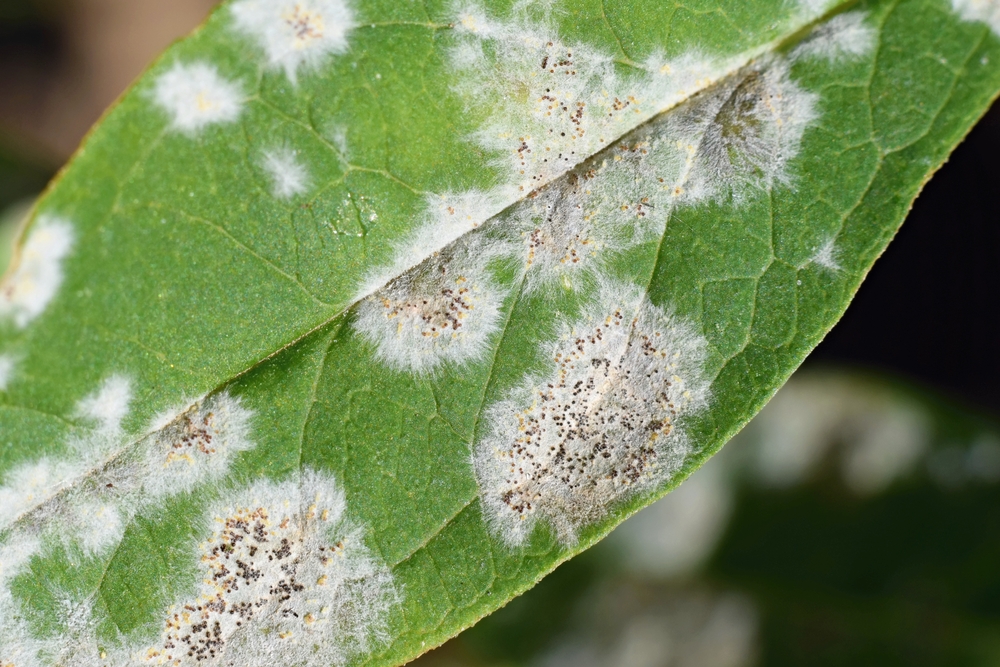
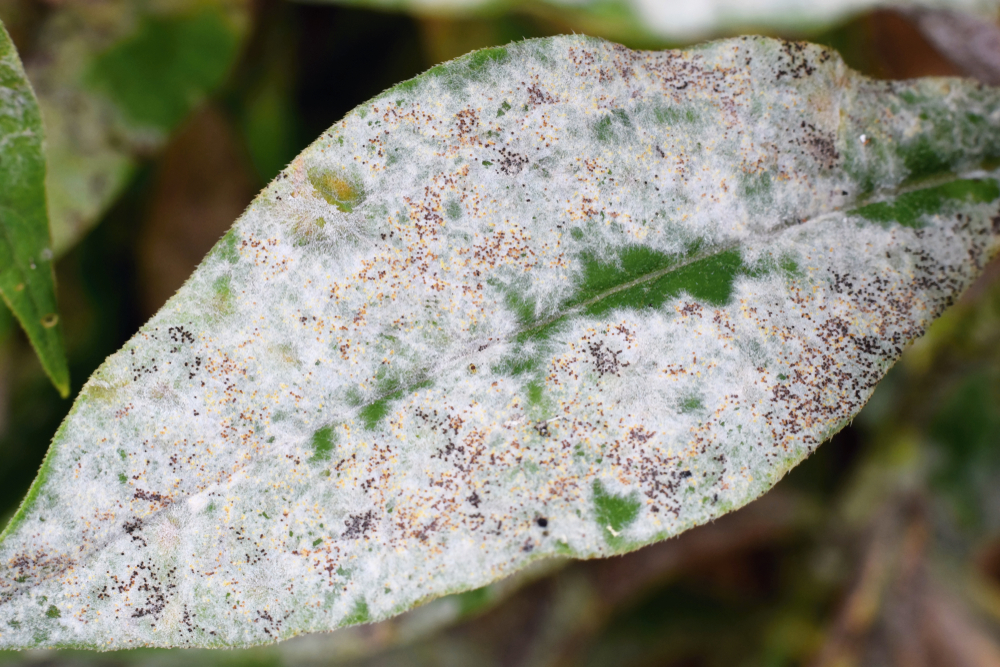
Both powdery and downy mildew are fungal infections, but they show up on your hydrangeas in very different ways. By taking a close look at the leaves, you can figure out exactly what you’re dealing with.
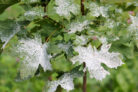
Powdery Mildew:
- Look for a white or brownish dusty coating on the top surface of the leaves.
- Eventually, the leaves will turn brown and dry out completely.
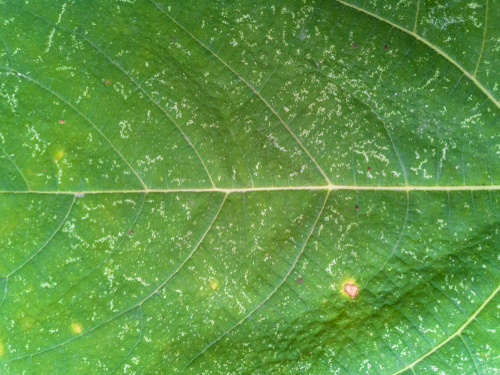
Downy Mildew:
- You’ll see a gray or purplish fuzzy growth on the undersides of the leaves.
- The tops of the leaves will start to turn yellow.
- Just like with powdery mildew, the leaves will eventually wither away.
Treatment and Prevention Tips
If you notice an infection, your first move should be to grab your pruning shears. Cut back any parts of the plant that show signs of fungus. A quick pro-tip: don’t toss those clippings into your compost pile! The fungus can survive there and spread back to your garden. Instead, seal them in a bag and put them in the trash. If you need a little extra help, copper-based fungicides work wonders for downy mildew, while sulfur-based fungicides are your best bet for powdery mildew.
Once you’ve pruned or treated the plant, it’s a good idea to re-evaluate your hydrangea’s location. Check if the moisture levels are right. You can improve things by adding a drainage layer to the soil or adjusting your watering routine. Your hydrangea will thank you with a long life and stunning blooms during its flowering season.
Fungus loves damp leaves, so the best way to prevent a breakout is to water your hydrangeas at the base rather than splashing water over the foliage. You can also use plant-strengthening tonics to give your hydrangea a little extra “immune boost” against mildew. Finally, making sure your plant is in the right spot with plenty of airflow will go a long way in keeping those fungal spores at bay.