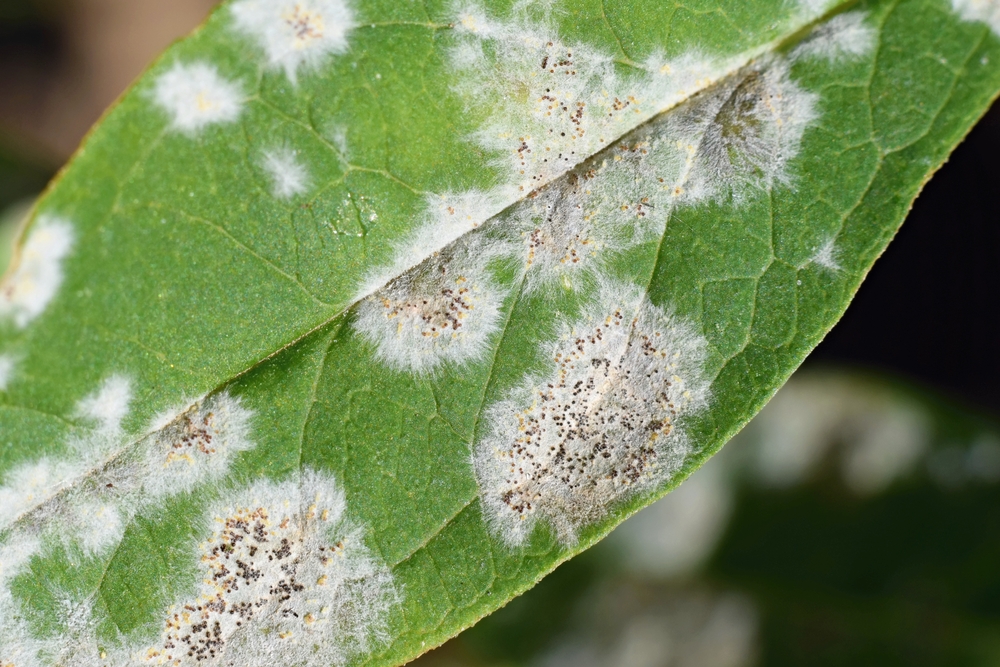
Lilacs are incredibly tough flowering shrubs, and for the most part, they don’t run into too many issues with diseases or pests. However, if there’s one thing that tends to give them trouble, it’s powdery and downy mildew.
Powdery Mildew (Microsphaera syringae) – Identification and Treatment
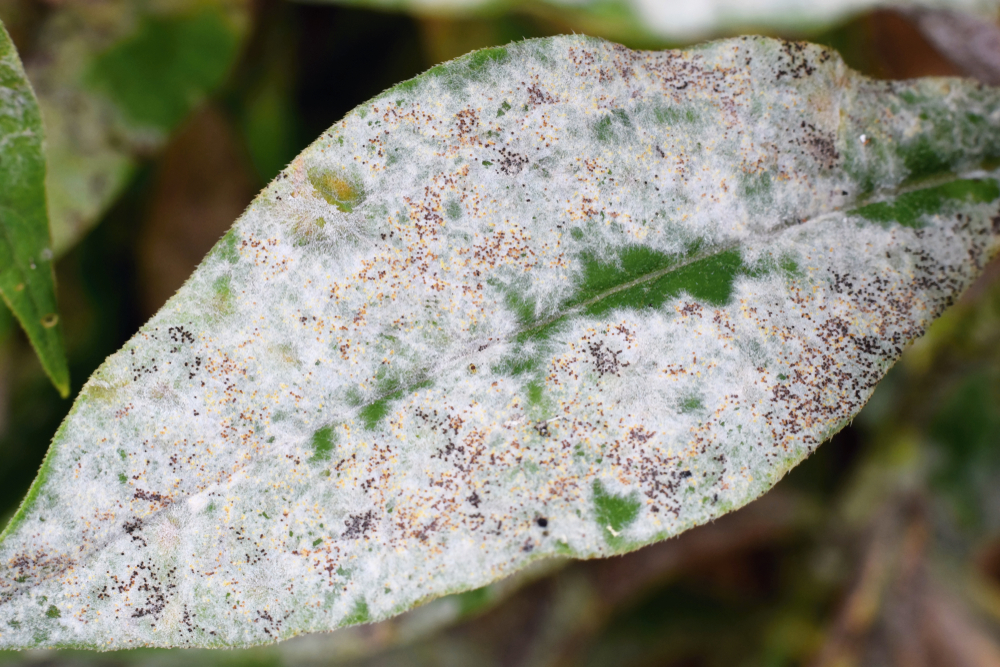
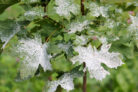
When we talk about mildew, we’re actually looking at two different issues. First up is “Powdery Mildew,” often nicknamed the “fair-weather fungus.” As the name suggests, it absolutely loves warm, dry days. The spores usually hitch a ride on the wind or travel via visiting insects. You’ll know you have it if you see white, flour-like spots on the tops of the leaves that eventually spread into a solid white coating.
If you spot these white patches on your lilac, you’ll want to act fast. A great natural remedy is horsetail tea (Equisetum arvense); just spray it on your shrub regularly once the new growth starts. If the fungus has already taken over, you might need to step it up to a proper fungicide. One pro-tip: go easy on the nitrogen-heavy fertilizer! Too much nitrogen makes your lilac way more susceptible to powdery mildew.
Downy Mildew (Peronospora lamii) – Identification and Control
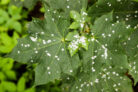
Unlike its cousin, “Downy Mildew” thrives in damp, rainy conditions. If it’s both humid and warm, watch out! It usually starts as pale green or white spots on the upper side of the leaves, which eventually turn brown as the infection progresses.
The treatment is similar here—horsetail tea works wonders as a preventative. You should also prune away any infected shoots to stop the spread. Chemical treatments are usually a last resort and only necessary if the infestation is really getting out of hand.