Privet (Ligustrum) is one of those rock-solid plants that rarely deals with diseases or pests. It’s tough, resilient, and generally low-maintenance. However, even the hardiest shrubs have an off day, and occasionally, you might spot a fungal issue. If your privet is looking a little funky, it’s usually down to one of two culprits:
- Powdery Mildew
- Leaf Spot Fungus
Spotting the Symptoms of Powdery Mildew
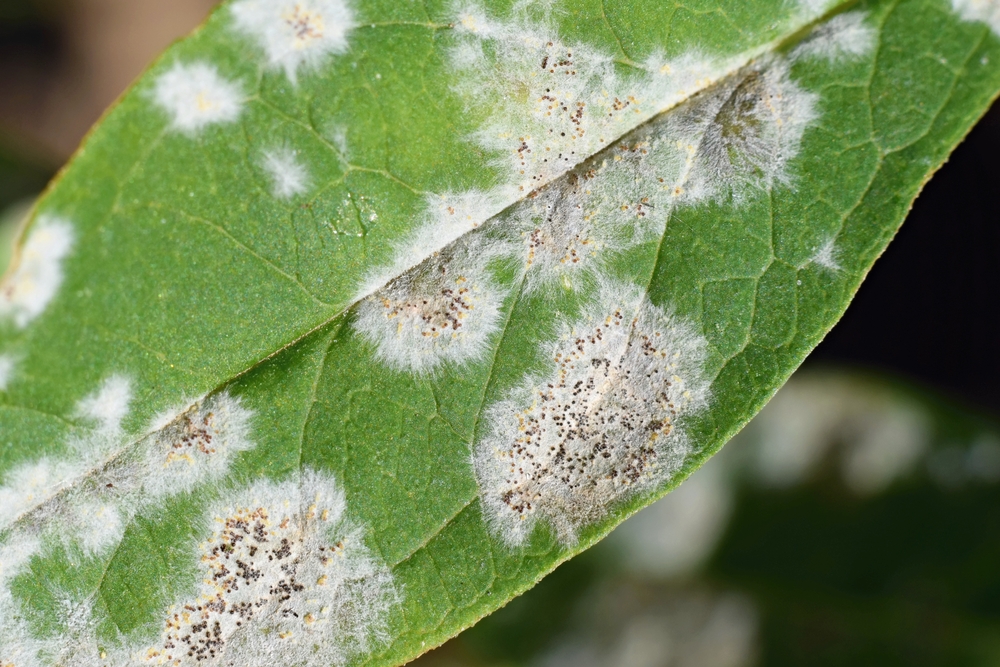
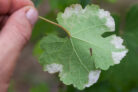
Powdery mildew is pretty easy to identify—it looks exactly like someone dusted your privet leaves with white flour. You’ll mostly see this white, dusty coating on the tops of the leaves, though it can sometimes sneak onto the undersides too. The good news? While it might look a bit messy compared to those vibrant green leaves, it’s mostly an aesthetic issue. It’s not going to kill your hedge, so don’t panic!
How to Treat a Mildew Outbreak
If you notice some mildew on your privet, take a deep breath—it’s really no big deal. Healthy, vigorous shrubs can usually handle a fungal flare-up all on their own. Plus, once the leaves drop in the fall and winter, the problem basically resets itself for the next season.
However, if the infestation is looking really heavy and it’s bothering you, you can give your plant a helping hand. Go ahead and prune away the most affected leaves and branches. Don’t be afraid to be bold here—privet is incredibly forgiving when it comes to pruning. If you need to do a hard rejuvenation prune, go for it! Your hedge will bounce back thick and lush in the spring.
Preventing Fungal Issues
To be honest, preventing fungus entirely is tricky because those spores travel through the air and wind whenever they feel like it. Your best bet is to keep your privet as healthy and “vital” as possible so it can naturally resist infections.
A few pro-tips for your garden maintenance:
- Clean up: Don’t toss infected leaves into your compost pile. Bag them up and put them in the trash so the spores don’t hang around.
- Sanitize: Always clean your garden shears after working on an infected plant. This stops you from accidentally spreading the fungus to the rest of your yard.