Growing zucchini in your home garden is a total win—it’s easy, delicious, incredibly versatile, and produces a massive harvest. Because they are so low-maintenance, they’re the perfect veggie for gardening newbies. If you want to see a truly impressive haul, the secret lies in giving your zucchini plants the right nutrients.
Prep Your Garden Bed the Year Before
A great zucchini season actually starts with a little ground prep. Zucchini thrives in spots where beans grew the previous year. Beans are “nitrogen fixers,” meaning they collect nitrogen-rich bacteria and leave it behind in the soil for the zucchini roots to find. This can save you a ton on fertilizer! It’s also a great idea to prep your bed with a layer of mulch. This keeps the soil nice and loose, creating the perfect environment for beneficial soil bacteria to do their thing.
Feeding Your Plants at Start-up
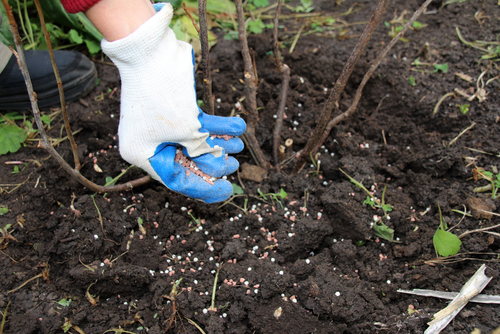
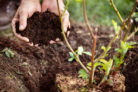
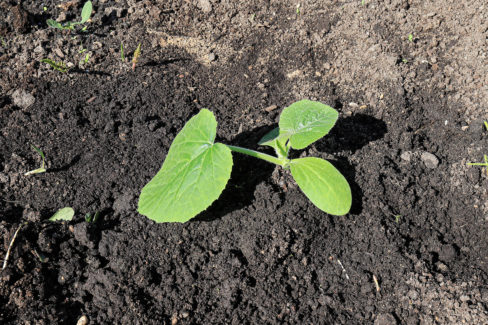
You can easily start zucchini from seed or pick up a healthy transplant at your local nursery. When you’re ready to plant, use a trowel to dig a hole about twice the size of the root ball. Toss in some compost if you have it, and set your plant in. I also like to mix in a handful of horn shavings (or a similar slow-release organic nitrogen source), then press the soil down firmly and give it a good soak. Think of the compost as an immediate snack for the plant, while the horn shavings act like a long-term meal plan that kicks in about six to eight weeks later.
What’s the Best Fertilizer for Zucchini?
To get a bumper crop of zucchini, you’ve got to keep them well-fed. You generally have two choices: mineral (synthetic) or organic fertilizers. But which one should you pick?
The Pros and Cons of Mineral Fertilizers
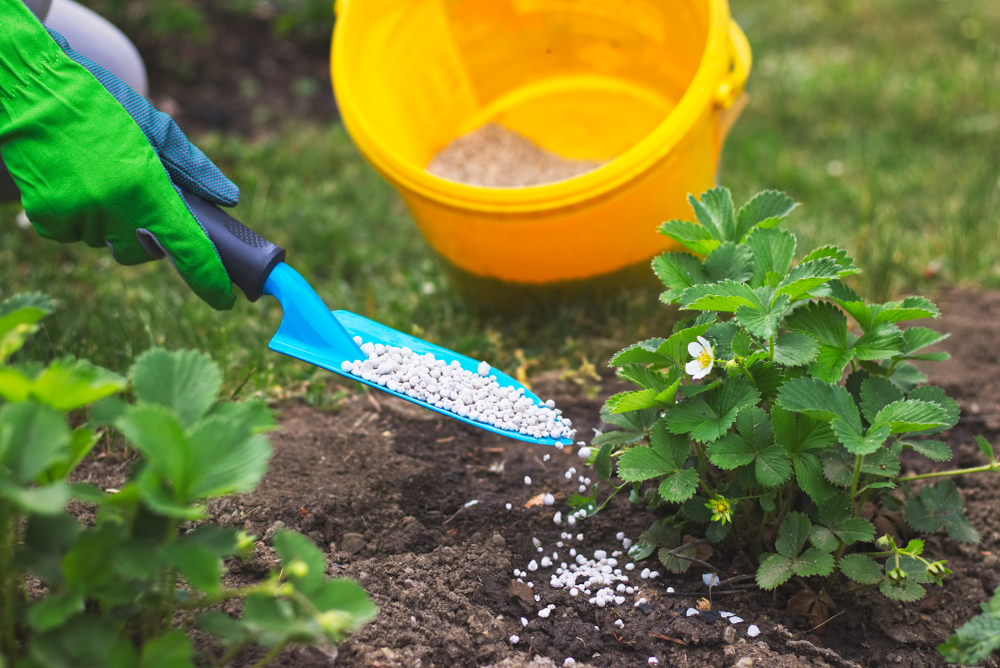
Chemical fertilizer salts dissolve quickly, so the roots can soak them up almost instantly. That sounds great in theory, but there’s a catch. When plants are “spoon-fed” like this, they get lazy. They don’t bother growing deep, strong root systems because the food is right there. This can lead to watery plant tissue, less resistance to pests and diseases, and—worst of all—less flavorful fruit. Plus, heavy rain can wash these chemicals right through the soil and into the groundwater.
The Pros and Cons of Organic Fertilizers
Organic options include things like compost, stinging nettle tea, and horn meal. These fertilizers wake up the soil biology and release nutrients slowly over time. Your plants get a steady, balanced diet, which makes them stronger in the long run. The only real downside is that if you’re just switching to organic gardening, it might take a little time for the soil to adjust. However, organics are much better for the earth because they build humus and improve your soil’s natural structure.
If you added slow-release organic fertilizer in the fall or early spring, you usually won’t need to fertilize again, as those nutrients break down very gradually.
You can also whip up your own “liquid gold” at home! For example, stinging nettle tea is a fantastic source of nitrogen. Giving your plants a dose every four to six weeks works wonders.
Pro Tip: There are plenty of pre-mixed vegetable fertilizers at the store. I always recommend going with the organic versions—just follow the dosage instructions on the bag.
How to Make Your Own Plant Tea
To make a DIY fertilizer, chop up some stinging nettles and layer them loosely in a bucket. Cover them with water and let the mixture ferment for about three weeks. Fair warning: this stuff stinks! You’ll definitely want to keep the bucket in a far corner of the yard. Once it’s ready, dilute this potent brew—one part tea to ten parts water. Pour about 5 to 10 liters around the base of your plants every four weeks, and they’ll be incredibly happy.
Pro Tip: Don’t stop at nettles! You can experiment with other wild herbs like chamomile, pigweed, or comfrey. Mixing them together works great too. You’ll be amazed at the results.
Zucchini 101: A Quick Guide
Zucchini are actually pretty chill plants. Just give them a sunny spot and keep the soil consistently moist. For the best flavor and texture, harvest the fruits when they are between 6 and 12 inches long. Picking them regularly actually encourages the plant to keep producing more. Usually, one or two plants are plenty to feed a family of four—unless you want to eat zucchini for every single meal! There are so many cool varieties and recipes out there now that you’ll never get bored.
Pro Tip: If you find yourself with way too many zucchini, try pickling them just like cucumbers. They’re delicious and a great way to handle a “zucchini explosion” in the garden.