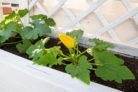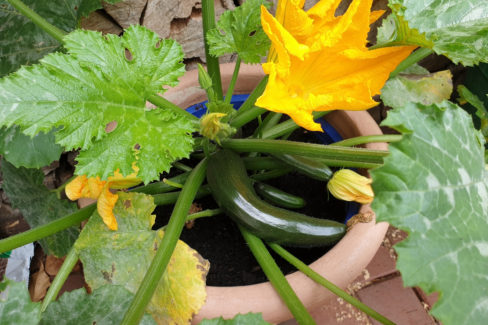
Zucchini plants can grow into absolute monsters in the garden, but don’t let their size fool you—they actually do great in containers if you give them what they need! If you’re looking to harvest fresh squash from your patio or balcony, here are some tips to make sure your potted zucchini thrives.
The Plants
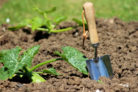
To get a great harvest, you need to start with strong, healthy plants. You can start your own seeds indoors or pick up some starts at your local garden center or nursery. When buying, look for a plant with a well-developed root system. A good trick is to check the bottom of the pot—if you see roots starting to peek through the drainage holes, that’s a great sign! A strong root ball is your best guarantee that the plant will take off once it’s repotted.
The Pots
Size definitely matters here! Your container needs to be at least 12 inches (30 cm) in diameter. Anything smaller just won’t give the roots enough room to breathe. Of course, bigger is always better when it comes to zucchini—the more space you give them, the happier they’ll be.
As for the material, it’s really up to you. Terra cotta pots look beautiful and are eco-friendly, but they can get incredibly heavy at this size. Plastic pots are much lighter and come in plenty of stylish designs these days. Just make sure you have a saucer underneath to catch excess water so it doesn’t run off all over your deck.
The Soil
There are tons of potting mixes out there, but for the sake of the planet, try to avoid mixes containing peat or coconut coir. Peat bogs are vital ecosystems that we should protect, and coconut coir often has a high carbon footprint due to long shipping distances. Instead, look for a high-quality organic potting soil specifically formulated for vegetables. These are usually pre-fertilized, so check the label to see what’s included.
If you’re lucky enough to have your own compost pile at home, you’ve already got the best “black gold” soil your zucchini could ask for!
Fertilizing
Zucchini are “heavy feeders,” meaning they need a lot of nutrients to produce all that fruit. When you first plant them, mix a handful of slow-release organic fertilizer or horn meal into the soil. If you’re using rich compost, you can wait about four weeks before you need to supplement with more fertilizer.
The Location
Like most members of the squash family, zucchini are sun-worshippers. They need plenty of heat and light, so find the sunniest spot on your patio for your pot.
While they can tolerate partial shade, they won’t produce as well, and a lack of sun makes them more prone to diseases like powdery mildew. Also, keep in mind that a full-grown plant can take up about nine square feet of space. Make sure you place the pot somewhere where you’ll still have room to walk by!
Pro Tip: To prevent water stains or damp spots on your balcony floor, try propping your pot saucers up on small wooden slats or “pot feet.” This allows air to circulate underneath and keeps your surfaces clean and dry.