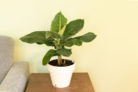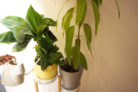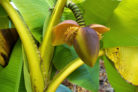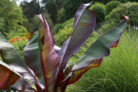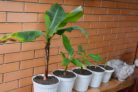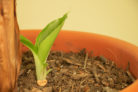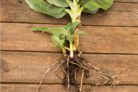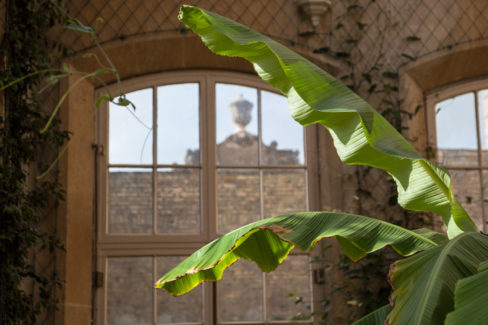
Banana plants originally hail from tropical rainforests, where they soak up plenty of heat and light. To make your plant feel right at home in your own space, there are a few things to keep in mind when picking the perfect spot. Here’s everything you need to know to help your banana plant thrive.
The Best Summer Spot
From May through October, banana plants can actually enjoy the great outdoors, even in our cooler climate. A sunny south-facing wall or a sheltered balcony is a fantastic choice. These plants absolutely love the sun, but a word of caution: try to avoid harsh, direct midday sunlight. Because those gorgeous leaves are so large, they lose a lot of water through evaporation, and the intense sun can actually scorch the foliage.
If you’re lucky enough to have a greenhouse, that’s an ideal home for your plant! Just make sure to provide a little shade to prevent leaf burn. Also, keep in mind that banana leaves are not fans of the wind. Those big, broad leaves tend to shred and fray easily in a breeze. Not only does it look a bit messy, but it can lead to yellow or brown leaves that eventually die off.
Where to Keep Them in Winter
Most banana plants aren’t fans of the cold and aren’t winter-hardy. If yours is in a pot, you’ll need to move it indoors before the first frost hits.
A heated sunroom or conservatory is the gold standard for a winter break—it stays warm and usually offers plenty of light.
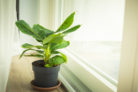
You can also overwinter your plant right in your living room. The rule of thumb here is: the brighter, the better! Place the pot as close to a window as possible. One thing to watch out for is dry air from your heater, which these tropical beauties hate. You can help them out by misting the leaves frequently. Even with the best care, don’t be surprised if some leaves turn yellow or if spider mites pay a visit during the winter months.
Care Tips
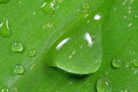
Watering is key, but don’t overdo it. Always do the “finger test” to check the soil moisture first. If you give it too much water, the plant might actually “sweat” the excess moisture out through its leaves—you’ll notice the plant dripping .
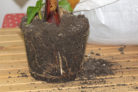
You should plan on repotting your banana plant every two to three years. Because they grow so fast, they’re heavy feeders and need regular fertilizer. A standard liquid fertilizer for citrus or Mediterranean plants works great. Just remember to scale back the watering in the winter or during cool summers; soggy roots (standing water) will quickly lead to yellow leaves or even root rot.
Pro Tip: You can actually make your own fertilizer using banana peels! Just boil about 3.5 ounces (100g) of organic banana peels in a quart (1 liter) of water. Let it steep overnight, strain it, and dilute it with water at a 1:5 ratio before feeding your plants.