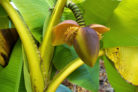
Banana trees aren’t exactly native to our neck of the woods. Since they’re used to tropical vibes, our chilly winters can be a real shock to their system. But don’t worry—you can totally grow a thriving banana tree right at home if you follow a few simple steps to keep it cozy during the off-season.
What Your Banana Plant Craves
Think of the banana plant’s natural home: the lush, humid rainforest. They usually grow tucked between tall trees, which means they love dappled shade, protection from the wind, and plenty of moisture in the air. If you want to grow one in your backyard or on the patio, you’ll want to mimic those conditions as much as possible. While our summer heat is usually just fine, our winters are definitely too cold for these tropical beauties to handle on their own.
Winterizing Plants Outdoors
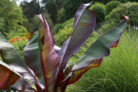
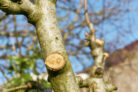
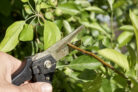
If you’ve got a hardy variety planted in the ground—like the popular Japanese Fiber Banana Musa basjoo or the Abyssinian Banana (Ensete ventricosum)—you’ll need to build them a little winter “fort” once the temperatures drop in the fall. First, you’ll want to cut the main trunks back to about 20 inches (50 cm) above the ground. Next, create a square frame around the plant using wire mesh or foam boards. Fill that space with dry leaves and straw for insulation, then wrap the whole thing in garden fleece. Pro tip: Make sure the top is covered so rain doesn’t get inside, otherwise, your plant might rot before spring!
Bringing Your Potted Plants Indoors
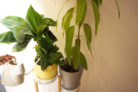
If your banana plant lives in a pot, it’s best to bring it inside for the winter. A heated sunroom or conservatory is the gold standard—it gives them the light and warmth they crave during the dark months.
No sunroom? No problem. You can keep them in a regular room, just place them as close to a window as possible. Keep an eye out, though: dry air from your heater can lead to pests or yellow leaves . If you have an older, established plant, it can even spend the winter in a cool, frost-free basement (just be sure to trim the leaves back first).
Once the threat of frost has passed in May, your plants can head back outside. Just make sure to pick a spot sheltered from the wind so those gorgeous, massive leaves don’t get shredded.
Quick Tip: You’ll want to scale back on watering significantly during the winter. Since the plant is essentially “napping” (dormant), it doesn’t need much. However, giving the leaves a light misting with lukewarm water is a great way to keep pests away!