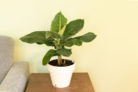
It usually takes about 2 to 5 years for a banana tree to bloom for the first time. While getting one to flower in a cooler climate can be a bit of a challenge, it’s definitely possible with the right TLC! Here is everything you need to know about these tropical beauties.
Where Do Banana Trees Come From?
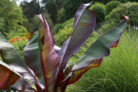
Fun fact: a banana “tree” isn’t actually a tree at all! Even though the trunk can get up to 15 inches thick, it’s technically a “pseudostem” made up of tightly packed leaf stalks. This means the banana is actually a massive perennial herb. Originally hailing from the tropical and subtropical regions of Southeast Asia, these plants didn’t make it to Central America until Portuguese explorers brought them over in the 16th century. Today, bananas are one of the most important fruits worldwide—in many places, they are the most popular snack right after apples! If you’re lucky, your plant might even produce its own fruit .
The Bloom
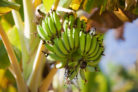
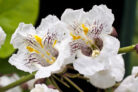
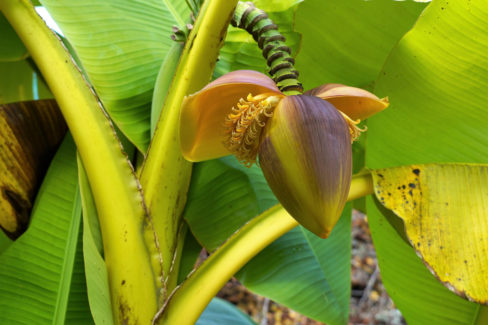
After 2 to 5 years of growth, the plant sends up a massive flower spike. This heavy bloom hangs downward and is covered in colorful bracts (specialized leaves) that can range from green and brown to a stunning deep red or purple. Tucked underneath each of these bracts are rows of tiny flowers. At the very tip of the long stalk, you’ll find the male flowers. In the wild, these are often pollinated by birds!
Getting a Bloom at Home
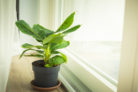
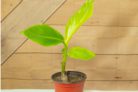
If you own a banana plant, you can encourage it to bloom with a little patience and consistent care. One pro tip is to repot your plant roughly every two years. This is also the perfect time to separate any “pups” (baby plants) to propagate and grow your collection.
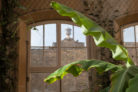
To keep your plant happy, water it with lukewarm, lime-free water. Feeding it with organic fertilizer every two weeks during the growing season will help it thrive. When it comes to overwintering , keep the temperature between 50-60°F (10-15°C). Light is the most critical factor during the winter, so place it in the brightest spot possible—a heated sunroom or conservatory is the gold standard for indoor banana growing.
Cooking with Banana Blossoms
In Asia, banana blossoms have been a culinary staple for ages. Specifically, people eat the “banana heart,” which is the tender inner part of the bloom. To prep it, you peel away the tough outer bracts until you reach the pale, soft core. This part is often sliced thin for salads.
You can also boil the whole heart in salted water, similar to how we cook corn on the cob. Just a heads-up: the cut surfaces turn brown very quickly, so be sure to rub them with lemon juice immediately to keep them looking fresh!
Health Benefits
Banana blossoms are nutritional powerhouses! They are packed with vitamins and minerals like calcium, magnesium, phosphorus, and copper. They are known for their antioxidant properties, helping to fight off infections and reduce free radicals. Some studies even suggest they can help regulate blood sugar levels.
Quick Tip: If you want to try a banana heart for yourself, check out your local Asian grocery store. You might get lucky and find a fresh one, though they are more commonly found canned or jarred.