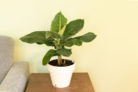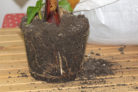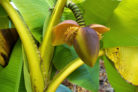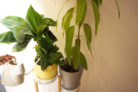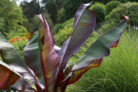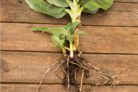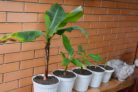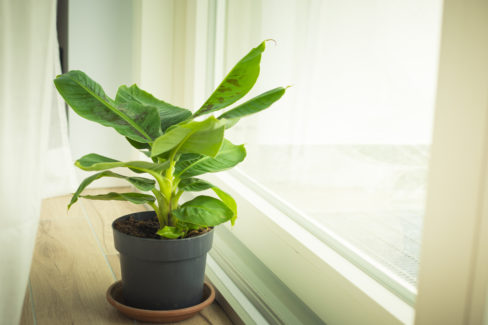
Since the Asian *Musa* banana plant is incredibly hardy, you’ll find it in the inventory of many garden centers these days. Some of these varieties are even winter-hardy, meaning you can grow them right in your backyard if you follow a few ground rules. Let’s dive into what makes these tropical beauties tick!
The Backstory
Banana plants originally hail from the warm, tropical regions of Asia, where people have been enjoying them for thousands of years. From there, they’ve traveled all over the globe. In Asia, you’ll often find plantains (cooking bananas) being grown; they’re packed with starch and are super filling. Over here in the West, we’re big fans of the “dessert banana” (*Musa paradisiaca*). It still has that starch, but we love it as a sweet fruit snack.
The Varieties
- Musa basjoo (Japanese Fiber Banana): This one is a beast! It’s hardy down to about 10°F (-12°C) and can reach heights of up to 10 feet.
- Musa sikkimensis (Darjeeling Banana): Growing between 10 to 16 feet, this variety actually produces small edible fruits. It handles temperatures between 5°F and 10°F (-12°C to -15°C), making it a great candidate for outdoor planting.
- Musa sp. ‘Yangtse’: A newer cultivar that’s quite slender but can soar up to 26 feet high. It’s hardy down to about 10°F.
- Musa nagensium: This one grows to about 20 feet and features a stunning flower—black on the outside and vibrant red on the inside. With a little extra protection, it can survive brief cold snaps as low as 0°F (-18°C).
- Musa itinerans (Burmese Blue): This variety handles moderate frost (around 0°F to 5°F) and shows off gorgeous reddish-brown bracts with yellow stripes.
- Musa uranoscopus: A true dwarf banana with striking red flowers that look like torches. It’s a bit pickier, needing at least 40-50°F in the winter and loving high humidity and 70-80°F temps in the summer.
- Musa ‘Dwarf Cavendish’: This is your classic 6-foot-tall edible banana. It’s not winter-hardy at all, so you’ll need to keep this one in a container and bring it inside.
- Musa acuminata: Another dwarf edible variety that can’t handle the frost.
There are about 70 different banana species worldwide, and when it comes to the dessert banana (*Musa paradisiaca*), there are nearly 1,000 different hybrids out there!
Winter Protection
If you’re planting bananas in the ground, they’re going to need some TLC during the winter. The leaves usually give up the ghost once it hits about 23°F (-5°C). The goal of overwintering is to protect the rhizome (the underground root system).
To build a cozy winter “house” for your banana plant, you’ll need some sturdy wire mesh or foam boards. Create a square or triangle cage around the plant and anchor it well so the wind doesn’t blow it over.
Next, cut the banana stalks down to about 20 inches (50 cm). Fill the inside of your cage with dry leaves and straw for insulation. Once that’s done, wrap the whole thing in garden fleece. This keeps your insulation from blowing away and prevents moisture from rotting the trunk.
Pro Tip: Before you buy, really think about your local climate and where you want to plant it. In areas with deep, sustained freezes, getting a banana plant through the winter outdoors can sometimes be a bit of a gamble!