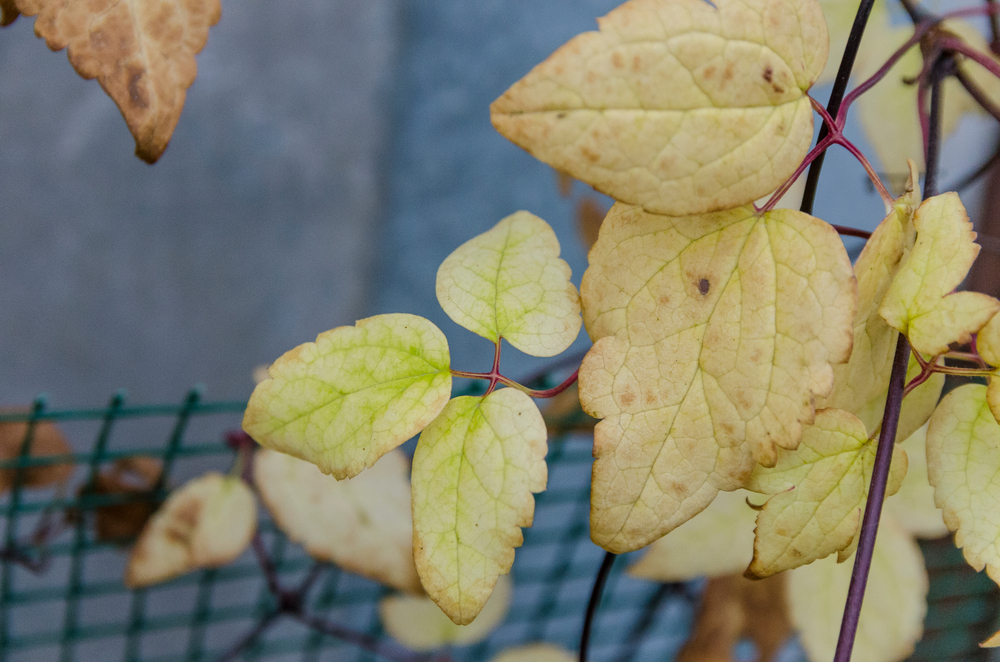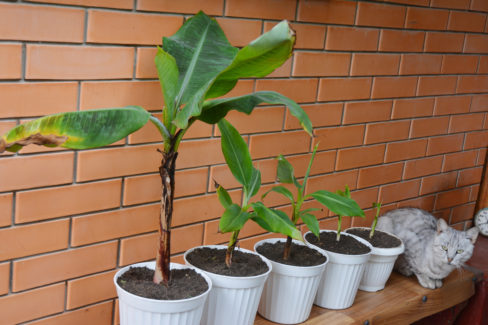
If you notice your banana plant’s leaves turning yellow, don’t panic just yet! It’s a common issue, and while it can be a bit frustrating, the fix is usually pretty straightforward. There are a few different reasons why your tropical beauty might be feeling under the weather. Let’s break down what’s going on.
Location and Care
Banana plants are sun-worshippers. They want a spot that is bright and protected from harsh winds. During the summer, they absolutely love being outdoors. A warm, south-facing wall or a sheltered corner on your balcony is basically paradise for them, and you’ll see them respond with plenty of lush, green growth.
When it comes to soil , these plants are a bit picky. They need a mix that is rich in nutrients but also drains well. Adding some expanded clay for drainage or mixing compost with coconut fibers creates the perfect home for their roots. Watering is where things get a little tricky: they love moisture, but they hate “wet feet.” Use lukewarm, filtered water (or rainwater) if you can, and make sure the soil never dries out completely. However, if the plant sits in stagnant water, the roots can rot, which leads directly to—you guessed it—yellow leaves. In the worst-case scenario, the whole plant could die.
Because banana trees grow so incredibly fast, they are heavy feeders. You’ll want to give them organic fertilizer once or twice a week, but only during the growing season from May to September. Winter is the real challenge for these tropical plants in our climate. No matter where you overwinter them, conditions are rarely perfect. A heated greenhouse or sunroom is the gold standard. A standard heated living room, on the other hand, is often too dark, too warm, and way too dry.
Why the Leaves Turn Yellow
So, you’ve done your best to provide the perfect location , but you’re still seeing yellow? Here are the most likely culprits:
- Moving the plant
- Using the wrong fertilizer
- Pest infestations
Moving the Plant
When you bring your banana plant inside for the fall, it’s common to see some yellowing. This is usually just “moving stress.” The plant is reacting to the change in light, temperature, and humidity. The same thing can happen in the spring when you move it back outside; it just needs a little time to acclimate to its new surroundings.
Wrong Fertilizer
Always stick to organic fertilizers for your bananas. Mineral fertilizers often contain high levels of salts that can build up in the soil, which these plants don’t handle very well.
Pest Infestations
Dry indoor air in the winter is an open invitation for pests, especially spider mites. These tiny troublemakers hang out on the undersides of the leaves and suck out the sap, causing the foliage to turn yellow and sickly.
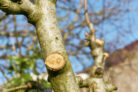
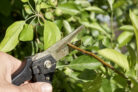
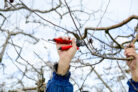
Pro Tip: Since banana plants grow so fast, you can simply prune away the yellow leaves to keep things looking tidy. Just make sure to leave enough green leaves on the plant! It needs that chlorophyll to produce energy and stay healthy.