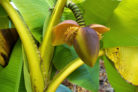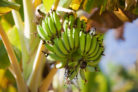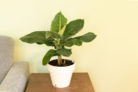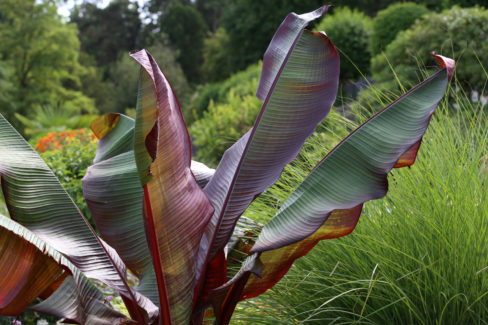
Originally from the tropical regions of Asia, banana trees have become a huge hit as ornamental plants here in the States. Of course, making a tropical beauty feel at home in a cooler climate takes a little know-how. If you want your banana plant to thrive, here’s everything you need to get started.
A Little Botany 101
Most banana species hail from the humid, warm tropics and subtropics of Asia. But here’s a fun fact to impress your gardening friends: a banana tree isn’t actually a tree! Botanically speaking, it’s a giant, evergreen, herbaceous perennial.
That “trunk” you see—which can reach anywhere from 10 to 30 feet tall—is actually a “pseudostem.” It’s made up of tightly packed leaf bases rather than wood. Don’t let that fool you, though; it gets incredibly tough. If you ever need to prune or cut back a stem, you’ll definitely want to reach for a saw rather than garden shears.
What Your Banana Tree Needs
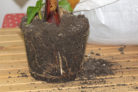
Growing these impressive giants at home is totally doable as long as you give them what they crave: high-quality soil , a consistent watering schedule , and the right location.
- Summer Placement
- Winter Placement
Summer Placement
In the summer, your banana plant wants a warm, sunny spot that’s protected from the wind. However, try to avoid harsh, direct midday sun if you can. Those massive, gorgeous leaves evaporate water quickly, and too much intense sun can cause the leaves to burn and turn yellow or brown. It’s not just an eyesore; it’s hard on the plant’s health.
Ideally, daytime temperatures should stay above 60°F, with nights staying around 50°F. Keep the soil moist with regular watering, but be careful not to overdo it—you don’t want the roots sitting in a swamp.
Winter Placement
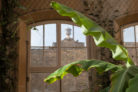
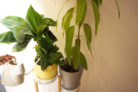
Most banana trees are pretty sensitive to frost. Because of this, I usually recommend growing them in large pots or containers. It makes it so much easier to move them indoors when the cold hits. A heated sunroom or conservatory is the gold standard for wintering—it stays warm and offers plenty of natural light.
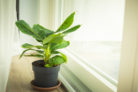
If you’re overwintering your tree inside your house, place it as close to a window as possible to maximize light exposure. Now, if you have a cold-hardy variety like the Japanese Fiber Banana (*Musa basjoo*), you can actually leave it outside if you protect it with a thick layer of mulch, leaves, and straw. It’s a bit of work to wrap them up, but that vigorous new growth in the spring makes it all worth it!
Pro Tip: Indoor air in the winter can be dry, which often leads to spider mites. To keep your plant happy, mist the whole thing daily with lukewarm, filtered water (or rainwater).