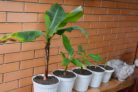
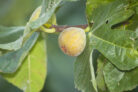
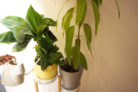
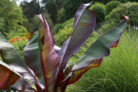
Banana trees are incredibly fast growers! It’s totally normal for older leaves to turn yellow and then brown before eventually falling off, but sometimes those brown edges are a sign that your plant isn’t quite happy. If you’re seeing more brown than green, it might be time to tweak your care routine. Here’s the lowdown on keeping your banana plant thriving.
Caring for Your Banana Tree
In their native tropical homes, banana trees love it hot and humid. To keep them healthy in our neck of the woods, you have to mimic those conditions. Since our climate is a bit cooler, these plants should really only spend their summers outdoors. The best spot for them is a warm, south-facing wall, a greenhouse, or a bright, sunny balcony.
Because those gorgeous, oversized leaves act like sails, you’ll want to find a spot that’s well-protected from the wind so they don’t get shredded. Your soil needs to drain well, too—try mixing your potting soil with coconut coir or expanded clay pebbles to keep things airy. Banana trees hate “wet feet” (standing water), and you’ll generally need to repot them every 2 to 3 years.
During the winter, keep your plant in a bright spot around 60°F (15°C). Don’t let the air get too dry! Give the leaves a frequent misting with distilled or filtered water to keep the humidity up.
Why Are the Leaves Turning Brown?
There are a few different reasons your banana plant might be sporting brown leaves. Here are the usual suspects:
- Natural aging
- Wind and sun damage
- Nutrient deficiency
- Overwatering (root rot)
- Winter indoor conditions
Natural Aging
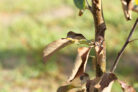
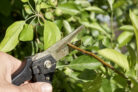
If it’s just the oldest, lowest leaves turning brown, don’t sweat it! Because these plants grow so fast, they are constantly cycling through foliage. You can let the old leaves fall off naturally, or if you prefer a tidier look, feel free to prune away any yellow or brown leaves whenever you like.
Wind and Sun
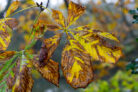
If your plant is sitting in a drafty or windy spot, the leaves will often tear. These rips eventually turn yellow and then brown. Try to find a sheltered nook for your bigger trees. Also, be careful with harsh, direct midday sun. It can actually scorch the leaves, and the plant loses moisture way too fast through that massive foliage.
Nutrient Deficiency
If your banana tree is busy producing “pups” (baby plants) from its roots, it might start showing brown spots or leaves because it’s hungry. Try feeding it with an organic fertilizer. Alternatively, you can repot the plant and separate those pups to propagate new trees!
Overwatering
Standing water is a major culprit for brown leaves. You want to water regularly, but never let the soil stay soggy. This is especially important in the winter when the plant’s metabolism slows down. Only water when the root ball feels dry to the touch.
Winter Dormancy
If you notice browning while the plant is in its winter quarters , it’s usually due to dry air from your heater. Mist the leaves as often as possible. If you spot yellowing leaves first, keep an eye out for spider mites. These pests love dry air, and once they damage the leaf, it will eventually turn brown and die. Keeping the humidity high is your best defense.
Pro Tip: Want a DIY fertilizer boost? Boil about 3.5 ounces (100g) of organic banana peels in a quart of water. Let it steep overnight, then dilute it 1:5 with fresh water before giving your plant a drink!