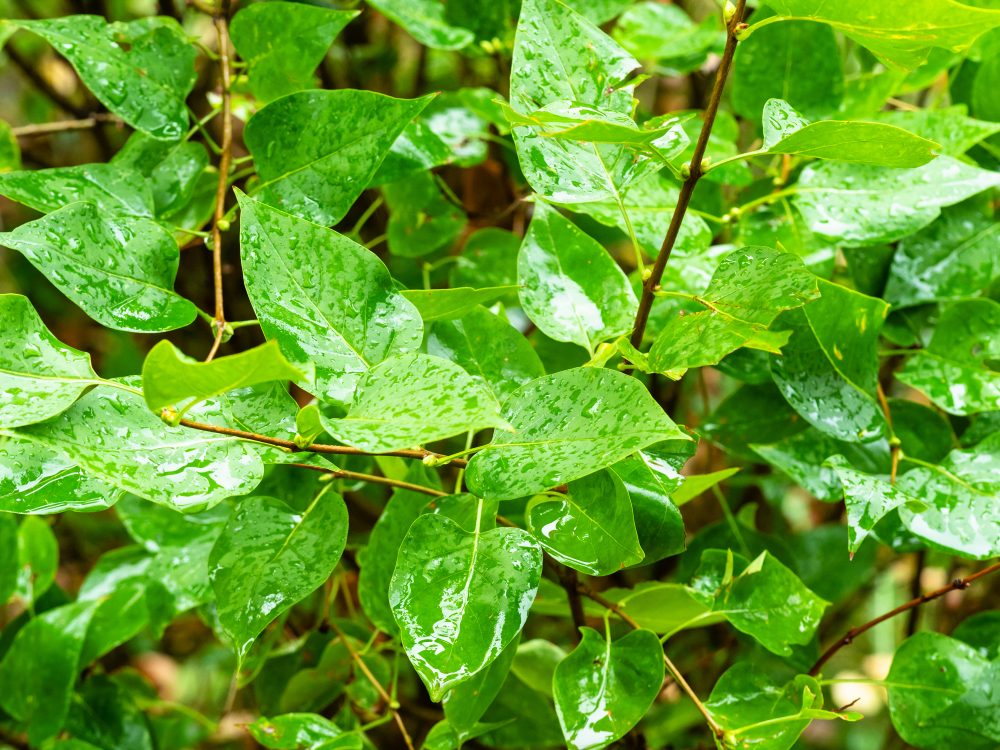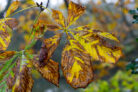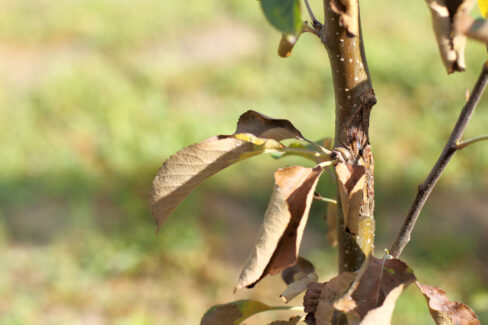
If you’re noticing brown leaves on your apple tree, it’s usually a red flag for a fungal or bacterial issue. One of the most common culprits is apple scab. The good news? You can get ahead of it by choosing resistant varieties right from the start.
Brown Leaves Caused by Apple Scab
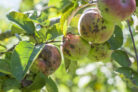
Apple scab is actually a fungal disease. It’s a bit of a survivor—fungal spores settle on fallen leaves in the fall and hang out there all winter. Once spring hits, rain and wind help those spores hitch a ride onto other trees. You’ll usually see the first signs in May: look for small, velvety spots that eventually spread across the entire leaf.
How to Handle Apple Scab
Once the fruit itself gets those brown spots, it loses its flavor and won’t stay fresh in storage. The goal is to stop it before it starts! While there are chemical sprays available, spraying is a huge chore because you have to do it every 4 to 10 days. Instead, I recommend focusing on solid tree care and prevention.
Pro Tips for Preventing Apple Scab
- Plant hardy varieties. Some apple types are naturally much more resistant to disease.
- Pick a breezy location. Good airflow helps the leaves dry off quickly after a rainstorm.
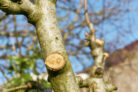
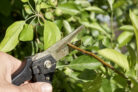
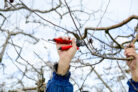
- Keep up with pruning. A well-trimmed, open canopy stays drier and healthier.
- Clean up fallen leaves in the fall. Removing old debris prevents the fungus from re-infecting the tree next spring.
- Don’t skip the nutrients. Use organic fertilizer to keep the tree strong. Be careful with mineral fertilizers, though—over-fertilizing can actually stress the tree and make it more prone to diseases.
Scab-Resistant Varieties to Look For
- Summer Apples: Gerlinde, Retina, Rosette
- Fall Apples: Resi, Pirella, Florina
- Winter Apples: Topaz, Fuji, Relinda
Fire Blight
Another serious issue is Fire Blight, which is caused by bacteria and loves to attack apple and pear trees. You’ll notice leaves wilting and turning brown or black, almost like they’ve been scorched. If you see this, you need to prune out the infected branches immediately to stop it from reaching the inner bark. Just a heads-up: in many regions, Fire Blight is a reportable disease, so check with your local agricultural office if you suspect an outbreak.