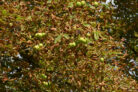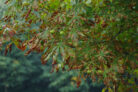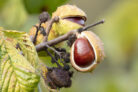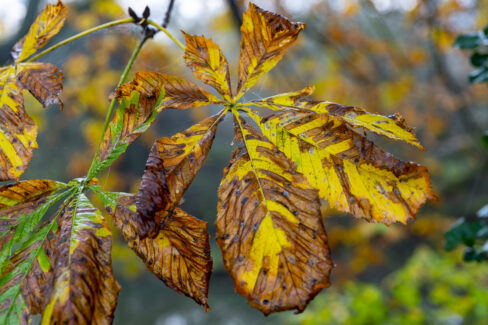
There’s nothing quite like the sight of a lush, sturdy chestnut tree in your yard. But when those leaves start turning brown, it’s a real eyesore—and a bit of a worry. While it might just be a cosmetic issue, sometimes those brown spots point to something more serious. Let’s do some detective work to figure out what’s going on with your tree.
Why Are My Chestnut Leaves Turning Brown?
Seeing brown leaves on your chestnut tree is definitely a red flag. Even if it’s not a “life or death” situation for the tree, you’ll want to act fast to identify the culprit. In many cases, you can’t “cure” the leaves once they’ve turned, but you can take steps to protect your tree’s future health. The most common reasons for browning are:
- Leaf scorch (sunburn)
- Pests like the horse-chestnut leaf miner
- Leaf blotch disease, which is caused by a fungus.
A Closer Look at the Causes
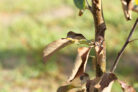
The least worrying cause is simple leaf scorch, or sunburn. This happens most often with young trees that haven’t fully established themselves yet. If you’re dealing with a long heatwave and not much rain, the leaves can literally fry. Ironically, you still want to pick a sunny spot for your chestnut tree; you just have to keep an eye on the hydration during those scorching summer months.
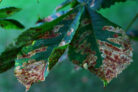
Pests are another big reason for those ugly brown patches. The horse-chestnut leaf miner is the usual suspect here. Their larvae tunnel through the leaves, eating the tissue from the inside out and cutting off the leaf’s supply of water and nutrients. This isn’t just a beauty issue—it’s a real threat to the tree’s vitality. These pests love to overwinter in fallen leaves or the soil. To stop them from coming back next year, make sure to rake up and dispose of (or burn, if allowed) all fallen foliage.
The third possibility is leaf blotch (also known as leaf roll disease). You’ll know it’s this if you see reddish-brown spots surrounded by a bright yellow halo. These spots can grow to be several inches wide. Eventually, the leaves wither and curl up. This is a fungal infection caused by *Guignardia aesculi*. Often, the fungus hitches a ride when you prune your tree with dirty or unsterilized tools, so always keep your gear clean!