Mildew can be a real headache for begonia lovers, and if left unchecked, it can seriously damage your plants. But don’t worry! Here’s how to spot the signs of a fungal infection and get rid of it using some tried-and-true home remedies.
How do I treat mildew on begonias?
First things first: grab your shears and prune away any heavily infected leaves or stems. Once you’ve cleaned up the plant, spray it with a simple mixture of fresh milk and water, or try a homemade garlic tea. For the best results, repeat this treatment every two days until that fuzzy coating is completely gone.
How do I spot Downy Mildew on begonias?
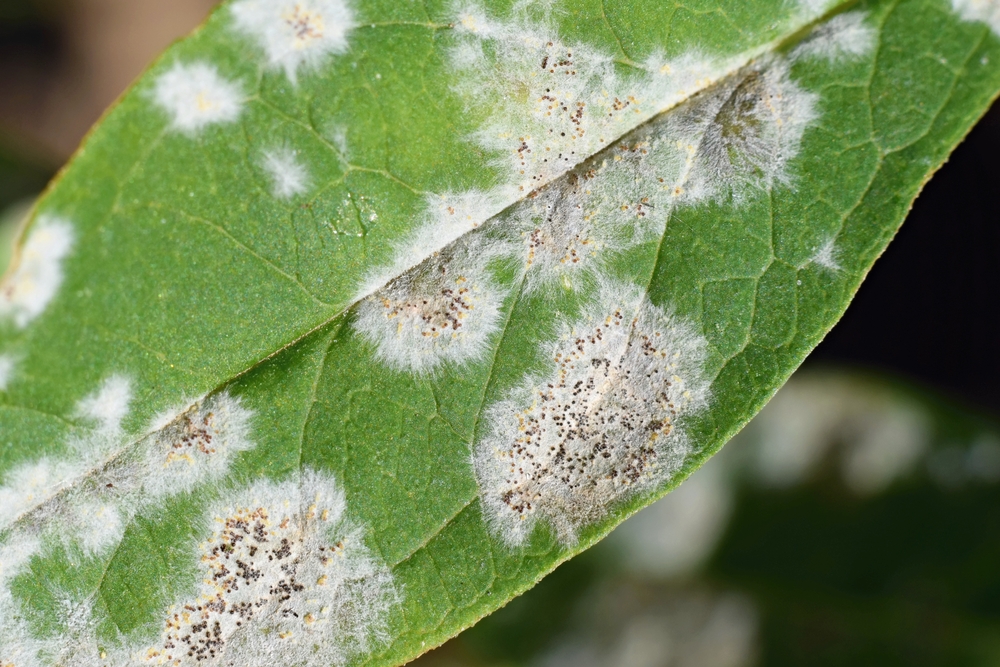
You’ll find Downy Mildew hiding on the undersides of your begonia’s leaves. It usually looks like a yellowish or brownish fungal coating. The spores start on the bottom of the leaf and, over time, work their way up to the top. Just like Powdery Mildew, this is a fungal infection that needs to be dealt with quickly.
How do I spot Powdery Mildew on begonias?
Powdery Mildew is much easier to see because it sits right on top of the leaves. It looks like a dusting of white flour or mold. As the infection progresses, those white spots will eventually turn brown. Because these spores spread through the air, you’ll want to act fast—not just to save your begonia, but to protect the rest of your plant family nearby!
What’s the best way to fight mildew on begonias?
You can treat the infection with a milk-and-water spray or a garlic infusion. If the plant is looking really rough, a good pruning is your best bet. Here is how to mix and apply the milk treatment:
- Mix fresh whole milk with water at a 1:10 ratio.
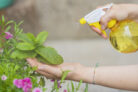
- Pour the mixture into a spray bottle.
- Mist the entire plant and the soil surface every two days.
If your begonias are outdoors (since this one can be a bit smelly!), you can also fight mildew with garlic tea:
- Crush about 50 grams (roughly 1.7 oz) of garlic.
- Pour 1 liter of boiling water over it.
- Let it steep for a full day.
- Dilute it 1:10 with water and spray your plants.
When does mildew usually show up?
These fungi are pretty seasonal. Powdery Mildew loves warm air and low humidity, which is why gardeners often call it the “fair-weather fungus.” You might even see it pop up indoors during the winter if your begonias are sitting in dry, heated air. Downy Mildew is the opposite—it thrives in damp, humid conditions, earning it the nickname “foul-weather fungus.”
How can I prevent mildew on my begonias?
It’s all about finding that “Goldilocks” humidity level. If your indoor air is too dry from the heater, you can get ahead of the problem by using a mister to humidify the air around your plants or gently wiping the leaves with a damp cloth. Keeping the environment balanced is the best way to keep your Begonias fungus-free.
Pro Tip: Check those leaves regularly!
Make it a habit to give your begonias a quick “check-up” every now and then. By inspecting both the tops and bottoms of the leaves, you’ll catch any issues early so you can remove the mildew before it spreads. Plus, your leaves are great communicators—they’ll often tell you if there are other begonia care issues you need to address!