Powdery mildew is one of those annoying issues that can really stress out your cherry laurel. Even though these shrubs are generally tough as nails, you definitely want to jump into action if you spot an infection. The good news? Treating it is actually pretty simple, and you probably already have the best remedy sitting in your kitchen pantry.
What exactly is mildew and how do you spot it?
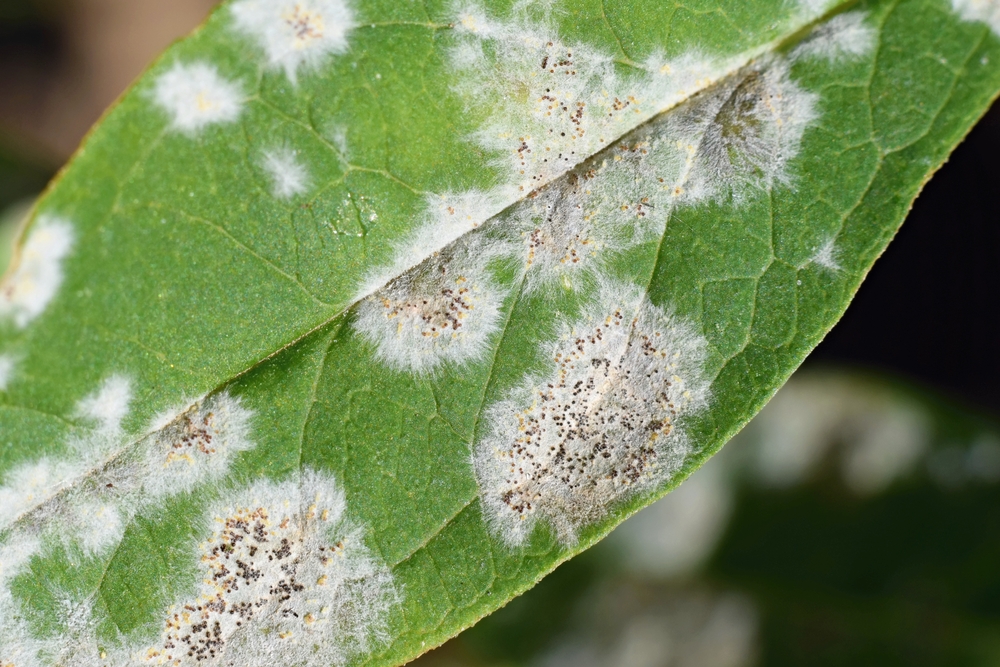
Mildew is a type of fungal disease that loves to hitch a ride on cherry laurels. There are actually two different types you should look out for. First, there’s Powdery Mildew, which looks like someone dusted the tops of your leaves with white flour or powdered sugar. It gets its name because it looks a bit like a dusty dew. While it might look harmless at first, it will eventually spread from the leaves to the young shoots and buds, which can really stunt your plant’s growth.
Then there’s Downy Mildew. This one also shows up on the top of the leaves, but instead of white, you’ll see spots that look yellow, purple, or brown. If you flip the leaf over, you might even see a fuzzy gray growth underneath. If you see any of these signs, it’s time to get to work!
Knock out mildew with a little help from your pantry
You don’t need harsh chemicals to fix this; these two household staples work wonders:
- Apple cider vinegar
- Milk
You don’t always need a heavy-duty fungicide to get the job done. An old-school trick that works incredibly well is using apple cider vinegar. Just mix about one tablespoon of vinegar into a spray bottle filled with water. Give all the affected areas of your cherry laurel a good misting, and repeat this for a few days.
One quick pro-tip: don’t spray the leaves right before the sun is beating down at high noon, or you might accidentally scorch the foliage. Another great option is milk! Mix it with water and spray it on just like the vinegar. The microorganisms in the milk actually go to work fighting off the fungus. Before you know it, you’ll have a happy, healthy cherry laurel again.