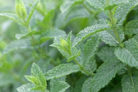
Peppermint is a fantastic addition to any garden, whether you’re planting it directly in your beds or keeping it in pots on the patio. As long as you give it the right spot and a little TLC, you’ll be harvesting fresh mint leaves all summer long. However, even the hardiest mint can run into a bit of trouble now and then—specifically, the dreaded powdery mildew.
Mildew on Peppermint
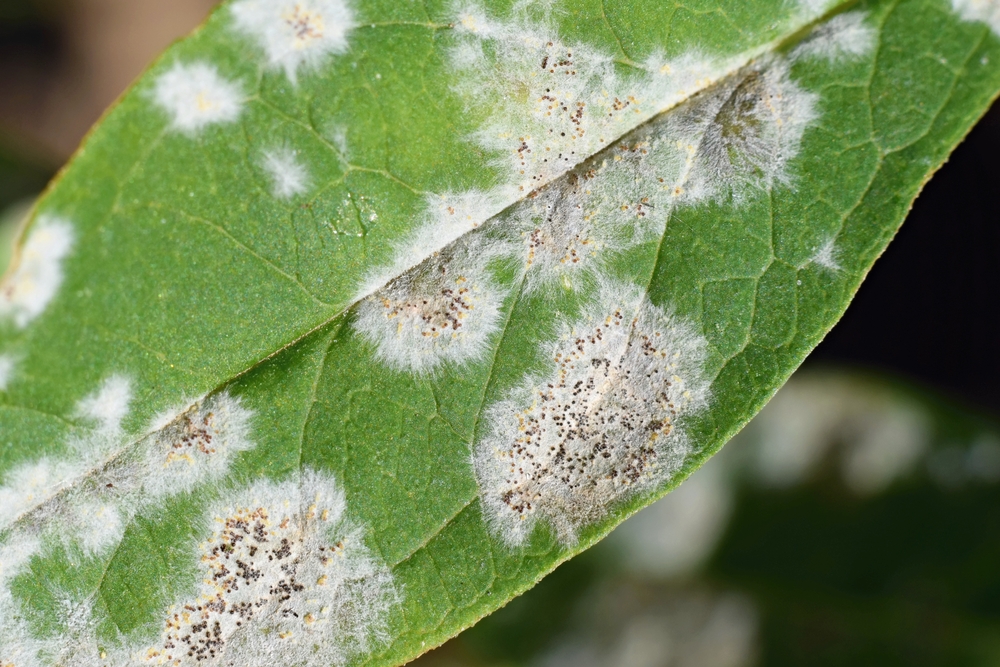
If you planted your peppermint a little too close together, you’ve basically rolled out the red carpet for mildew. When plants are crowded, the fungus spreads like wildfire from one leaf to the next. If you start noticing whitish spots on your mint, you’re likely dealing with a common fungal disease known as mildew.
Powdery Mildew (The “Fair-Weather” Fungus)
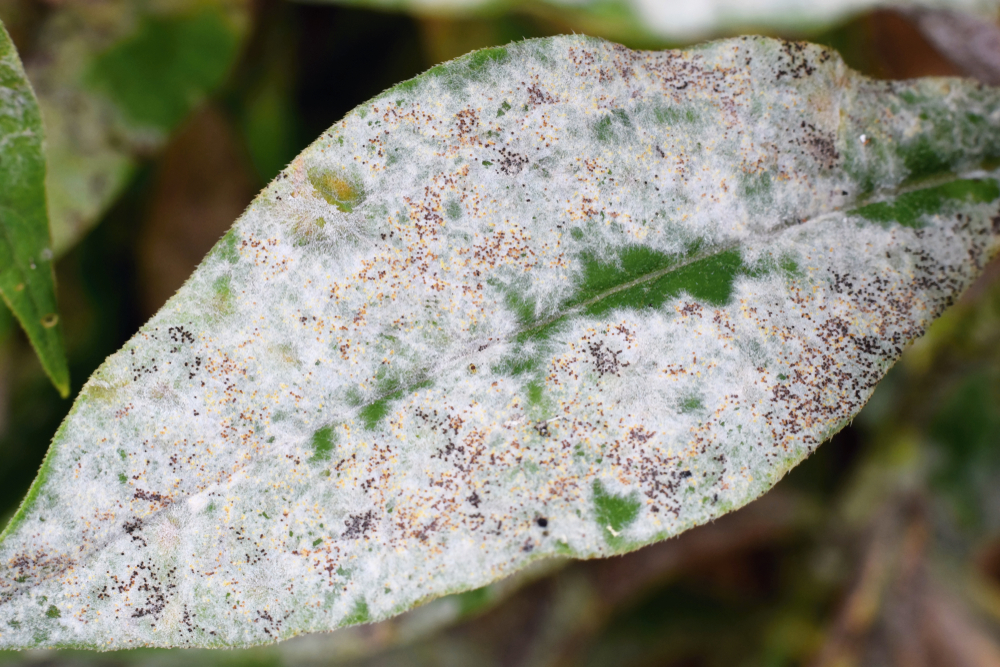
When the weather stays warm and dry for a long stretch, Powdery Mildew often makes an appearance. You’ll recognize it by a white, flour-like coating on the tops of the leaves that you can actually rub off with your finger. If you don’t jump into action, the leaves will wither and drop off, which can ruin your entire harvest. Plus, it’s highly contagious to your other garden plants! At the first sign of trouble, here’s what you need to do:
- Prune off the infected stems and toss them in the trash (don’t compost them!).
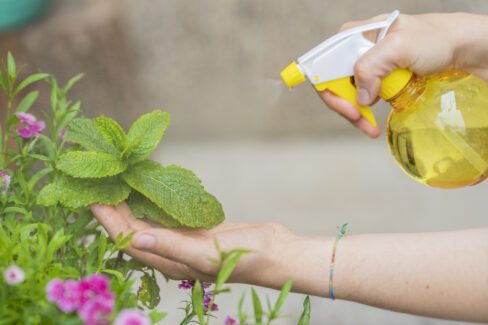
- Spray the plant with a diluted milk mixture.
- Use a natural spray made from tansy, garlic, or horsetail tea.
For the best results, keep up the spraying routine every two days for a while until the fungus is gone.
Downy Mildew (The “Bad-Weather” Fungus)
Unlike its dry-weather cousin, Downy Mildew loves damp, rainy conditions. You’ll find this one lurking on the undersides of the leaves as white or grey patches that eventually show through to the top. The treatment is pretty much the same: cut out the infected parts and dispose of them. Use the same natural sprays mentioned above, and as a pro-tip, spray the neighboring plants too just to be safe.
How to Prevent Mildew
If you’re starting a new mint patch, your best bet is to look for varieties that are naturally resistant to mildew. Here are a few other ways to keep your plants healthy:
- Give them space! Aim for a planting distance of about 20 inches (50 cm).
- Don’t over-fertilize, as too much nitrogen can make plants more vulnerable.
- Mix things up by planting herbs that don’t get mildew—like basil, chives, or chervil—in between your mint.
- Always water at the base of the plant; try to keep the leaves dry.
- Keep the area weeded, as weeds can harbor fungal spores.
- Give your plants a “vitamin boost” with horsetail tea to strengthen their defenses.
- Never put infected clippings in your compost pile. To prevent the fungus from spreading next year, put them in the household trash or burn them.