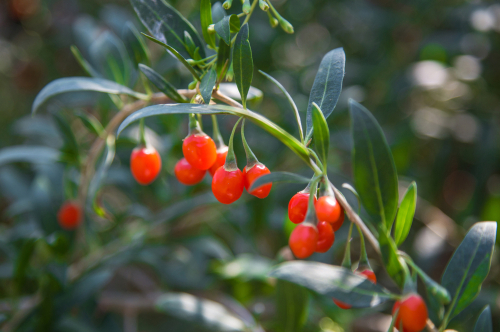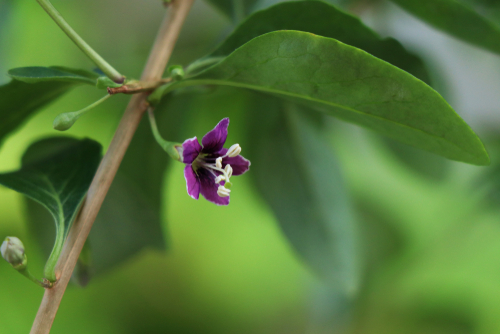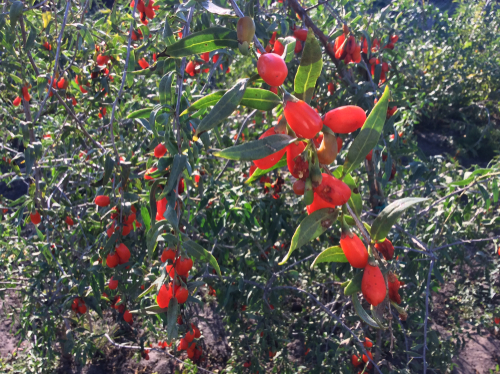
Goji berries grow on the Wolfberry plant (also known as *Lycium barbarum*). While you might spot some wild varieties out and about, it’s actually totally possible to grow these superfoods right in your own backyard! To get the best results, though, you’ll want to be a bit picky about which variety you plant.
Wild vs. Cultivated Goji Varieties
Growing Gojis might feel like a new trend here in the States, but they’ve been a garden staple in Asia for hundreds of years. Most of the popular varieties we see today actually hail from China and Mongolia. When you’re shopping for plants, the big thing to watch out for is the difference between wild and cultivated types. Wild Gojis grow just as fast as the bred versions, but they produce much smaller harvests and tiny little berries. The good news? Whether they are wild or cultivated, all the berries are safe to eat fresh or dried.
The Most Popular Cultivated Varieties
Cultivated varieties are naturally tough and less likely to deal with pesky pests or diseases. They are especially resistant to powdery mildew compared to their wild cousins. Plus, they’re the heavy hitters when it comes to harvest time. Their names might sound a little clinical, but don’t let that fool you—these plants are top performers:
- NQ1,
- Turgidus, and
- L22.
The Best-Tasting Varieties
Goji berries have a unique flavor profile—sweet with a slightly herbal, tart finish. They’re also nutritional powerhouses packed with vitamins! The fruits are typically oblong and have a vibrant reddish-orange hue. If you’re looking for the best flavor for snacking straight off the bush, these varieties really stand out:
- Big Lifeberry,
- Korean Big,
- Instant Success,
- Big & Sweet, or
- Sweet Lifeberry.
As you can probably guess from the names, these varieties are bred to produce big, delicious yields. A lot of people still think Gojis are bitter or overly tart, which is why you see “Sweet” in so many of the names—it’s not just marketing; these varieties really do have a much sweeter profile!
One last thing: some gardeners are nervous about planting Wolfberry because it has a reputation for spreading like crazy underground via runners, potentially taking over the whole garden. Luckily, that aggressive spreading is much more controlled in these cultivated varieties. So, there’s really no reason not to give Goji berries a spot in your garden!