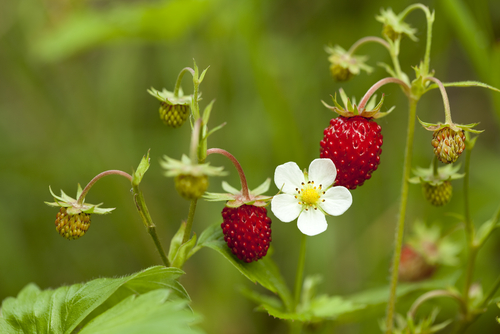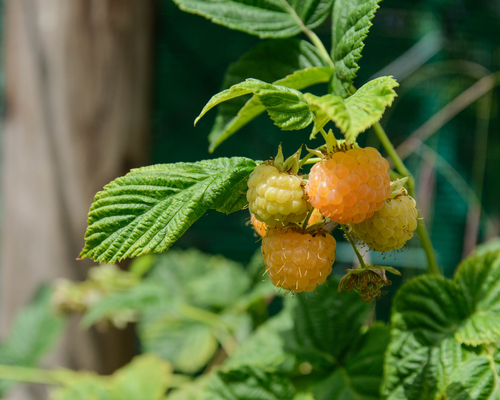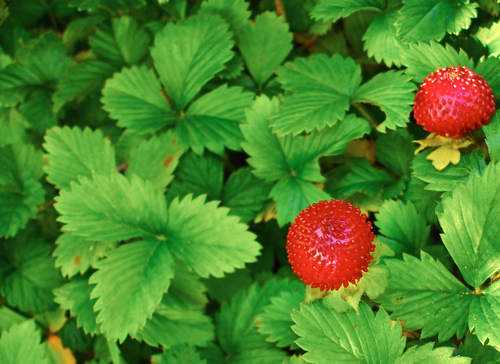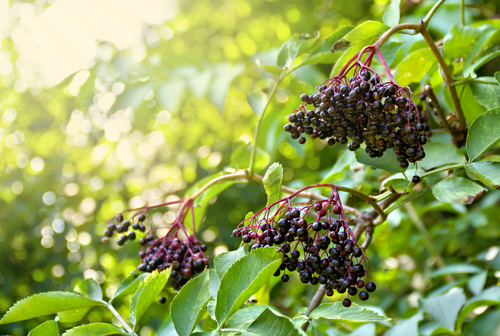
Most of us have the usual suspects like strawberries and raspberries taking up space in our garden beds. They’re the ultimate “snack-as-you-go” fruits, right? But if you’re looking to add a little wild flair to your backyard, you might want to consider forest berries. They’re hardy, unique, and totally doable at home. Here’s the scoop on which varieties work best for your garden.
Which Wild Berries Can You Actually Grow?
Beyond your standard currants or gooseberries, there are plenty of wilder options you can plant right in your own backyard. Some of my favorites include:
- Elderberry
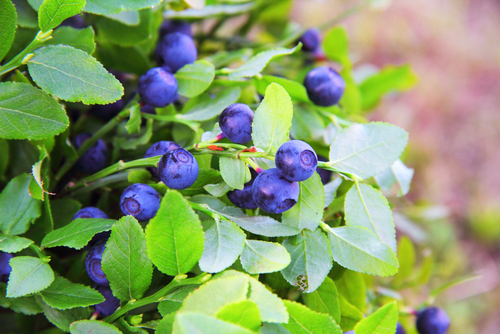
- Wild blueberries
- Juniper berries
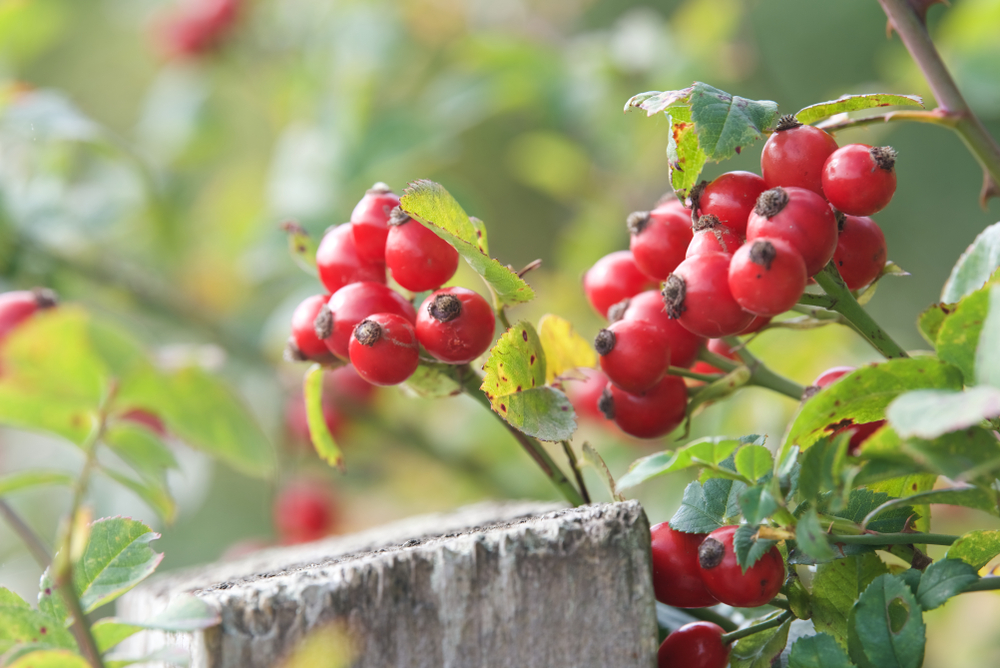
- Rose hips
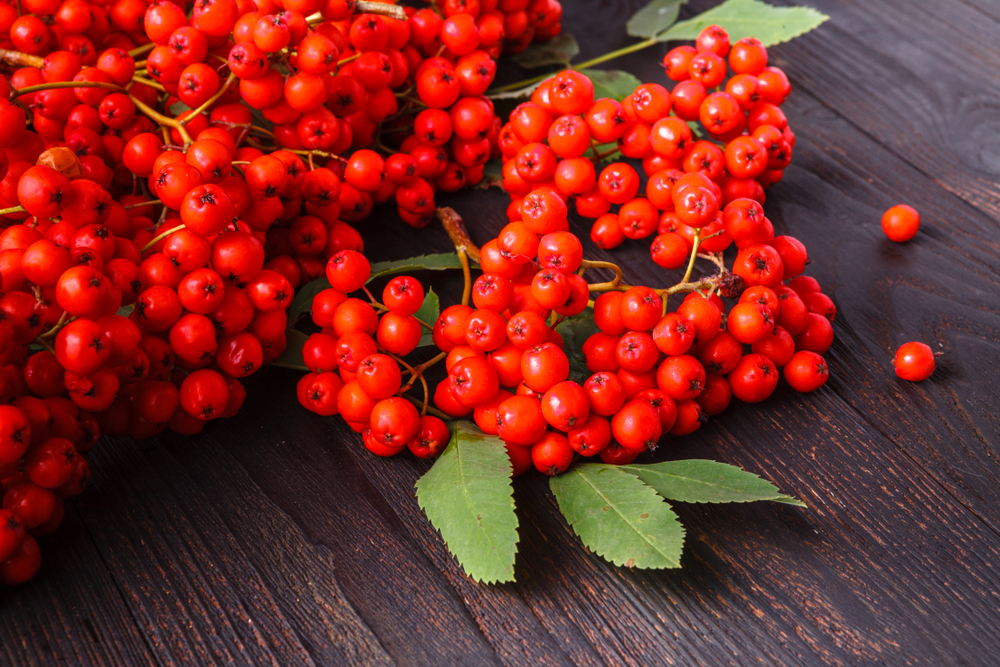
- Rowanberries (Mountain Ash)
- Hawthorn
- Lingonberries
- Blackthorn (Sloe)
- Sea buckthorn
So, what exactly makes a “wild” berry? Simply put, these are species that naturally thrive in the woods. You’ll usually find them in two versions: the true wild form and cultivated varieties specifically bred for home gardens.
What Do You Do With a Wild Harvest?
While we usually eat garden-variety berries straight off the bush, wild berries really shine when they’re processed into something special. Think rose hip tea, sea buckthorn jam, or wild blueberry jelly. You’ve probably also come across elderflower syrup or elderberry liqueur at the store. From juices and wines to schnapps, these berries are the secret ingredient to some seriously delicious treats.
A Heads-Up: Not All Berries Are Ready to Eat Raw
There’s a common myth that rowanberries (mountain ash) are poisonous. Good news: they aren’t! The trick is to wait until after the first frost to harvest them. The cold breaks down their intense bitterness, making them much more palatable. Juniper berries are another one to watch—their bitter punch is basically nature’s way of telling you not to eat them raw.
Elderberries are also rarely eaten fresh. In fact, many gardeners don’t even wait for the berries because the flowers themselves are such a delicacy! You can turn the blossoms into refreshing syrups or add them to a glass of bubbly. If you do wait for the berries, they’re best when cooked down into a syrup or jelly.
Finally, let’s talk rose hips. You definitely want to avoid eating these raw. If you don’t carefully remove those tiny, fuzzy seeds inside, they can cause some irritation (ever heard of “itching powder”?). However, once they’re brewed into a fresh tea or stirred into a jam, they are absolutely delicious and packed with flavor.