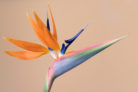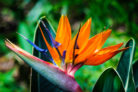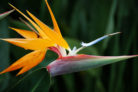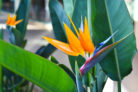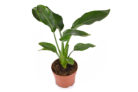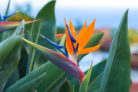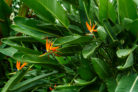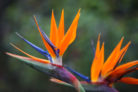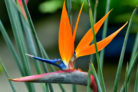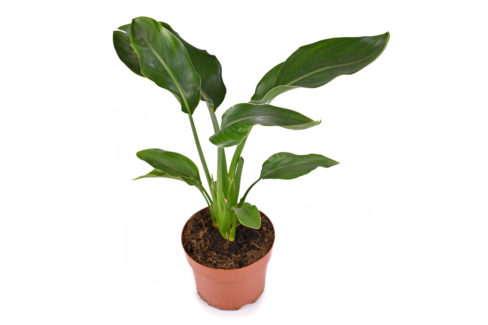
The Bird of Paradise (scientifically known as *Strelitzia reginae*) is a total showstopper in any garden or home, famous for those stunning, exotic blooms that look just like a tropical bird in flight. But man, it is a major bummer when you put in all that work and your plant just refuses to flower. If you’re staring at a bunch of green leaves and zero “birds,” you’re probably wondering: what gives?
Why Your Bird of Paradise Isn’t Blooming
These exotic beauties crave sun, warmth, and a bit of humidity to really thrive. If their living conditions aren’t just right, they’ll go on a “blooming strike.” Here’s a quick checklist of the usual suspects:
- Not enough light
- Damaged roots
- Winter dormancy was too cold or too warm
- Soil is too dry
- Nutrient issues (too much or too little fertilizer)
- The plant is still a “teenager”
Finding the Sweet Spot (Location)
*Strelitzia reginae* loves a bright, sun-drenched spot that’s protected from harsh winds. While they can handle direct sun, be careful with south-facing windows indoors—the glass can actually magnify the heat and scorch them. They also aren’t big fans of extreme heat; if temperatures soar above 90°F, the plant might get stressed and skip its flowering cycle.
Watch Those Roots
Be extra gentle when it’s time to repot your Bird of Paradise. Their thick, fleshy roots are surprisingly sensitive. If they get snapped or damaged during a move, the plant might pout and refuse to bloom for a while. Slow and steady wins the race here!
The Winter Chill-Out
To save up enough energy for those big blooms, your Strelitzia needs a proper winter break. Move it to a bright spot where the temperature stays around 60°F. If it’s much warmer or colder than that, it can mess with the flower development. During this “nap” time, cut back on the water and stop fertilizing entirely.
Keep It Hydrated (But Not Drowned)
These plants are thirsty, but they hate “wet feet.” You want to keep the soil consistently moist, but never soggy. Make sure your pot has great drainage, and only water once the top inch of soil feels dry to the touch.
The Fertilizer Balance
If your plant is pumping out tons of lush green leaves but zero flowers, you might be overdoing it with the plant food. If that’s the case, stop fertilizing immediately and consider repotting it in fresh soil to reset. For a happy plant, a dose of fertilizer every two weeks from March through August is plenty. And remember: if you just repotted, give the plant a few weeks to settle in before you start feeding it again.
Give It Time
Sometimes, the problem is just age! If you started your Bird of Paradise from a seed, you’ve got to be patient. It usually takes at least four years to see that first bloom, and in some cases, it can take up to a decade for the plant to fully mature. Good things come to those who wait!