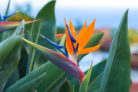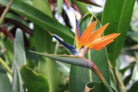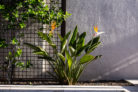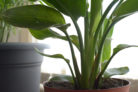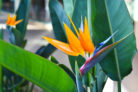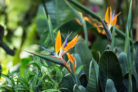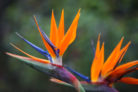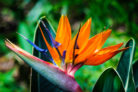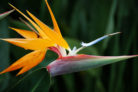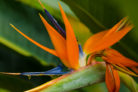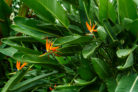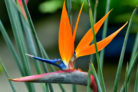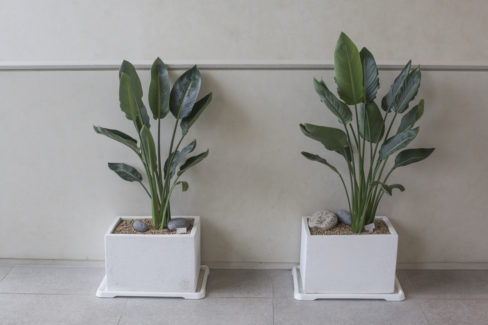
The exotic, evergreen Bird of Paradise hails from sunny South Africa, so it’s used to plenty of light and warmth. Because it can’t handle a frost, it won’t survive a winter outdoors in most of our climates. That’s why the Bird of Paradise (or *Strelitzia*) is the perfect candidate for life in a pot—whether that’s chilling on your patio or brightening up your living room.
Growing in Containers
Bird of Paradise plants crave light and warmth all year round and really can’t stand the cold. A bright spot in your living room is usually the perfect home for them. That said, during those balmy summer months, your plant will love a vacation on a sheltered patio. They handle direct sunlight like champs and won’t wilt even when temps hit the 90s. Just keep an eye on the thermometer: once autumn rolls around and night temperatures dip to about 55°F (12°C), it’s time to bring your leafy friend back inside.
Choosing the Right Pot
These plants are fast growers and can reach impressive sizes pretty quickly, so you’ll need a pot that can keep up. Pick a container that’s slightly larger than the current root ball. Ideally, go for something with medium depth, as *Strelitzias* develop strong taproots that like to push downward. Pro tip: avoid square pots! The roots tend to wedge themselves into the corners, which makes repotting a total nightmare later on.
The Best Soil
Standard high-quality potting soil or a mix designed for container plants works great. If you want to give it a little extra love, you can enrich the substrate with some fresh compost. The main thing is that the soil is nutrient-rich, loose, and well-draining. Since Bird of Paradise plants hate “wet feet” (standing water), be sure to add a drainage layer at the bottom of the pot before planting.
Care and Maintenance
Once your Bird of Paradise is settled in, a little TLC goes a long way toward getting those iconic, vibrant blooms. Here’s your checklist for a happy plant:
- During the blooming season (April to August), give it a boost with liquid fertilizer every two weeks.
- Keep the water coming! Regular watering is key—don’t let the soil dry out completely.
- Snip off any dried-out leaves to keep it looking tidy.
- To keep humidity levels just right, give the leaves a regular misting with rainwater.
- Remove spent flowers to encourage new growth.
- Dust those large leaves occasionally so they can breathe and photosynthesize.
- Keep an eye out for pests and diseases like scale or mealybugs.
- If you notice fungal spots (black spots on the leaves), cut those leaves off right at the base.
- Every three years or so—or as soon as you see roots poking out of the drainage holes—it’s time to move it into a larger pot.