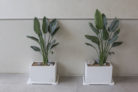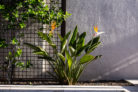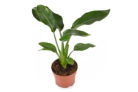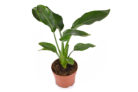
You’ve probably spotted them at your local florist—those stunning, slightly bizarre blooms that look like they belong in a tropical paradise. Known as the Bird of Paradise (or Crane Flower), these beauties are famous for being long-lasting showstoppers in bouquets. But here’s a pro tip: you don’t have to wait for a special delivery to enjoy them! These exotic plants actually make fantastic houseplants and patio additions.
Fast Facts About the Bird of Paradise
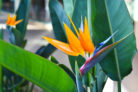
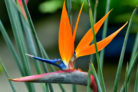
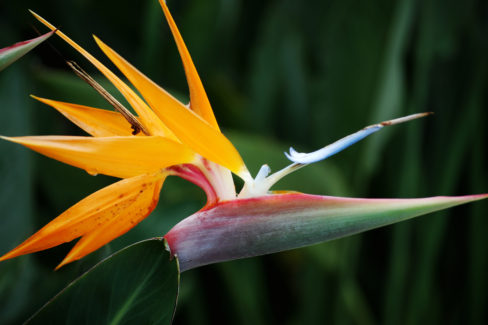
The Bird of Paradise (*Strelitzia*) is a member of the Strelitziaceae family and hails from the sunny Cape region of South Africa, though you’ll also see them thriving in places like the Canary Islands or Madeira. In their native warm climates, they can grow into massive, woody perennials reaching up to 30 feet tall! Don’t worry, though—when grown in pots at home, they stay at a much more manageable size. Their iconic orange-and-blue or white-and-teal flowers look just like the crest of a cockatoo, which is exactly how they earned their colorful nickname.
Growing Your Own Strelitzia
Since these are Mediterranean-style plants, they love spending their summers outdoors on a sunny patio. They also do perfectly well in a bright spot right in your living room. If you’re keeping yours outside for the summer, just keep an eye on the thermometer. They thrive when day and night temperatures stay comfortably in the double digits. Once the fall air dips down to around 55°F (12°C), it’s time to bring your Bird of Paradise inside. They are definitely not fans of the cold, and a hard frost is a dealbreaker for them.
Overwintering Your Bird of Paradise
Because they’re used to the warmth, these plants aren’t built for chilly winters. To keep them happy, you’ll need to find a bright, cool spot indoors for their winter nap. Since they’re evergreen, they keep working on photosynthesis all year long, so light is non-negotiable. Great spots for overwintering include:
- A cool stairwell
- A chilly bedroom
- A moderately heated sunroom or conservatory
- A bright, airy hallway
The goal is a frost-free spot that stays around 50°F to 55°F (10–12°C). If the room is too warm, the plant won’t get the “winter rest” it needs to trigger those gorgeous blooms for the following season.
Winter Care and Maintenance
Once your Strelitzia has moved into its winter quarters, you can dial back the maintenance. Water sparingly and skip the fertilizer entirely for a few months. The big thing to watch out for is humidity. These plants love moisture in the air, so give them a regular misting or set a tray of water nearby. If the air gets too dry, you might run into trouble with scale insects, so keep a close eye on the leaves.
By February, your plant will start waking up. You can move it to a slightly warmer spot and gradually reintroduce it to direct sunlight. Early spring is also the perfect time to divide your Strelitzia or move it into a larger pot if it’s getting a bit cramped.