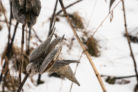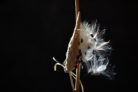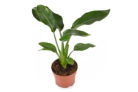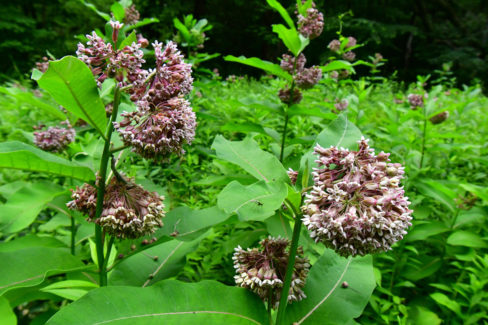
The Parrot Plant, also known as Common Milkweed (Syrian Silkweed), is a unique member of the dogbane family. You might have noticed it’s getting harder to find at your local nursery—that’s because, in many areas, selling the seeds or plants is actually restricted now. Why? Well, this beauty is a bit of a space hog and can easily crowd out native plants if left to its own devices.
Growing Parrot Plants Responsibly
If you already have some in your garden or managed to snag a division from a neighbor, you can still enjoy them! The trick is keeping them under control. To prevent them from taking over the neighborhood, I highly recommend growing them in large containers. Also, make sure to harvest those cool “parrot” seed pods in the fall before they burst open. This stops the wind from catching those silky seeds and spreading them everywhere.
Finding the Perfect Spot
Parrot plants love the sun, so pick a spot that gets full sun to partial shade. Since these guys can tower up to 6 feet tall, try to find a place that’s protected from heavy winds so they don’t topple over. They aren’t too picky about soil as long as it’s rich in organic matter and drains well. The one thing they absolutely hate? “Soggy feet” (standing water), whether they are in the ground or in a pot.
Planting Tips
Springtime is the best time to get your plants in the dirt. If you’re planting directly in your garden beds, I’d strongly suggest installing a root barrier (rhizome barrier) to keep those wandering roots in check. If you’re going the container route, here’s the best way to do it:
- Pick a heavy, substantial pot to support the plant’s height.
- Make sure the pot has a good drainage hole at the bottom.
- Layer some broken terracotta shards over the hole and cover them with a bit of landscape fleece; this keeps the soil in while letting water out.
- Fill the pot about one-third of the way with high-quality potting soil.
- Set your plant right in the center.
- Fill in the rest with soil, but don’t bury it too deep—the rootstock should only have a light covering of dirt.
- Press the soil down firmly and give it a good drink of water.
Ongoing Care and Maintenance
During the hot summer months, keep the soil consistently moist, but again, make sure it’s not waterlogged. If you’re using a container, skip the saucer underneath so excess water can drain away freely. For food, a dose of organic slow-release fertilizer (like horn meal) in the spring works wonders. In the fall, a little potassium-rich fertilizer helps strengthen the plant for the colder months.
When it comes to winterizing your Parrot Plant, if it’s in a pot, move it to a frost-free spot like a garage or basement. If it’s staying out in the garden, tuck the rootstock in with a thick layer of mulch or brush. Either way, just make sure the roots don’t completely dry out over the winter!