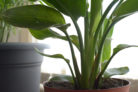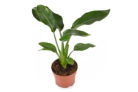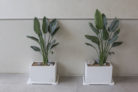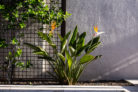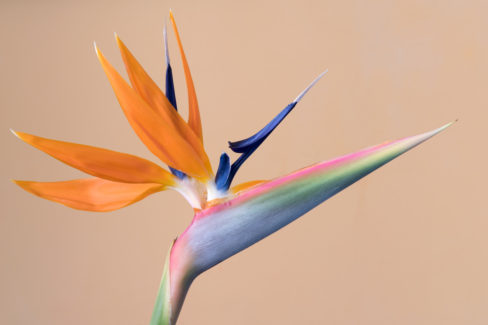
The Bird of Paradise, also known by its botanical name *Strelitzia reginae*, is a stunning member of the Strelitziaceae family. These beauties hail from warm, Mediterranean-style climates, which means they definitely aren’t fans of the cold. Once temperatures dip toward 50°F (10°C), these plants start to struggle. To keep yours happy and healthy, you’ll need to bring it indoors for the winter.
Overwintering Your Bird of Paradise
While you can keep a Strelitzia as a year-round houseplant, they really thrive if they can spend their summer vacation in a pot out on the patio or balcony. However, as soon as the thermometer hits the low 50s, it’s time to move them inside to prevent frost damage. Once indoors, find a bright spot that isn’t in harsh, direct sunlight, with temperatures hovering between 50°F and 57°F (10–14°C). You actually want to avoid keeping them too warm during this time; that cool “rest period” is the secret ingredient for getting those spectacular blooms in the spring. Even if your plant lives in the living room year-round, it’ll bloom much better if you move it to a cooler spot for a winter break. Great options for winter storage include:
- A bright stairwell
- A cool bedroom
- A chilly hallway
- An unheated sunroom or conservatory
- An unheated greenhouse
- A frost-free, bright garage
The Warm Overwintering Option
If you don’t have a cool spot available, your Bird of Paradise can stay in a room around 72°F (22°C). Just a heads-up: this isn’t the ideal method. Warmer winter air makes the plant more susceptible to pests and can weaken it over time. Plus, you probably won’t see as many of those iconic “crane” flowers come springtime.
Winter Care Tips
The good news is that maintenance is pretty low-key during the winter months. You’ll want to water very sparingly—just enough so the soil doesn’t completely dry out. If you can, use soft water or filtered water. You can put the fertilizer away, too; there’s no need to feed them during their rest phase. One thing you *should* do is keep a close eye out for pests. Scale insects love to move in during the winter, so catch them early! Finally, if you see any dead leaves, just snip them off at the base with a sharp pair of shears to keep the plant looking tidy.