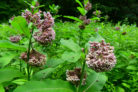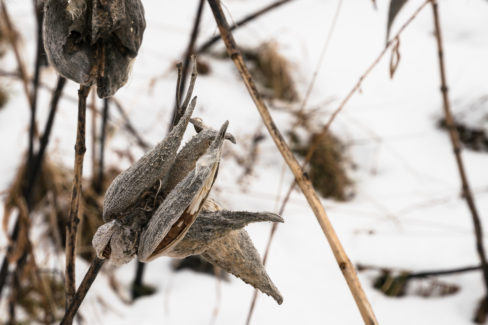
The Parrot Plant (also known as Common Milkweed) belongs to the dogbane family, which means all parts of the plant are toxic—so keep that in mind if you have curious pets or kiddos! Originally hailing from North America, this hardy perennial is super easy to care for and thrives beautifully in most home gardens.
Fun Facts and Winterizing Your Parrot Plant
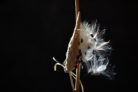
This eye-catching beauty can reach heights of up to 6 feet. During its blooming season in July and August, it produces massive flower clusters made up of fragrant, purple-orange blossoms. Once the flowers fade, the plant produces 4-inch long seed pods that look just like little parakeets—hence the name!
This unique flower is perfect for garden beds, but it also looks fantastic in large containers, making it a real conversation starter on the patio. If you live in an area with particularly harsh winters, growing them in pots might be your best bet so you can move them somewhere frost-free when the temperature drops.
In the fall, the Parrot Plant drops its leaves and the stems die back. Don’t worry, though—it’s just heading into dormancy, retreating into its rootstock for a winter nap. You won’t see new growth until spring. Even though they are generally cold-tolerant, it’s a smart move to add a little “winter coat” over the root area. A layer of:
- Brushwood or twigs
- Dry leaves
- Fresh compost
is ideal. New plantings are especially sensitive and need that extra protection. If your local temperatures regularly dip below 14°F (-10°C), winter protection is a must.
Overwintering Potted Plants
Parrot Plants do great when grown in large containers. However, container plants are more vulnerable to freezing, so you’ll want to keep them in a frost-free spot. In late fall, move your pots to a cool but protected area like an unheated sunroom, a garage, or a greenhouse. Make sure the soil doesn’t dry out completely, but keep it on the drier side—water very sparingly and skip the fertilizer entirely during the winter months.
Spring Care After the Thaw
Once your Parrot Plants have successfully made it through the winter, it’s time to get them ready for the new season. In late March, just before the new shoots appear, give them their first feeding. A liquid fertilizer or a fresh layer of compost works wonders. For potted plants, start your regular fertilizing routine again. This is also the perfect time to check if the rootstock needs dividing or if the plant has outgrown its pot and needs a bigger home.