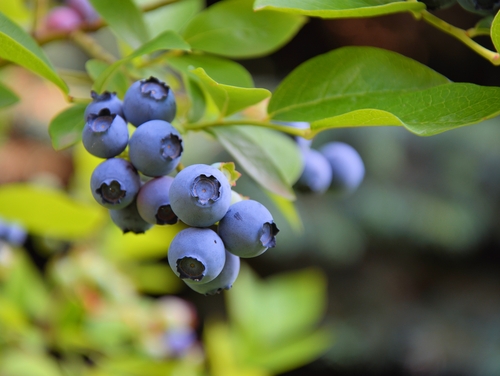
Most of us know blueberries as those tiny blue gems you find while hiking in the woods, or the plump berries stacked in the produce aisle. But you might be wondering: is there actually a difference between “bilberries,” “huckleberries,” and “blueberries”? Let’s clear up the confusion!
The Real Difference: Wild vs. Cultivated
In the end, most of these names are just different ways of describing the same family of berries. However, there is a major difference between wild blueberries (often called bilberries in Europe) and the cultivated blueberries we usually grow in our backyards.
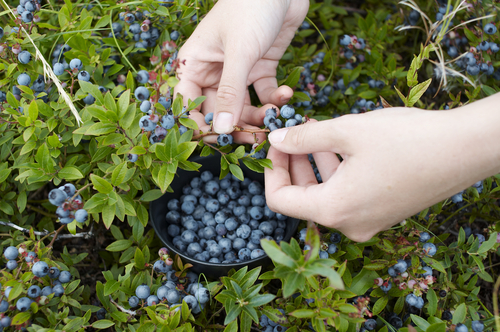
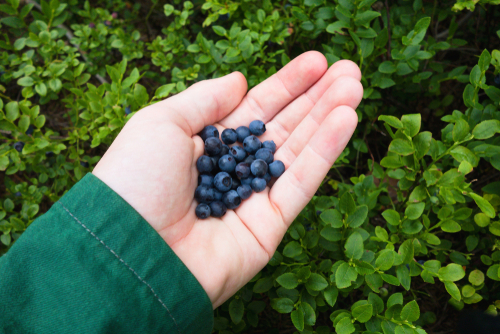
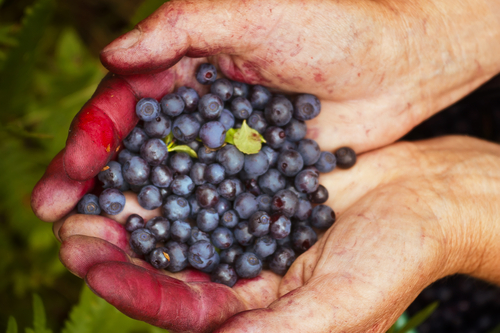
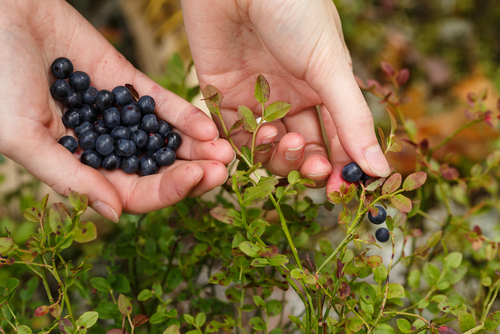
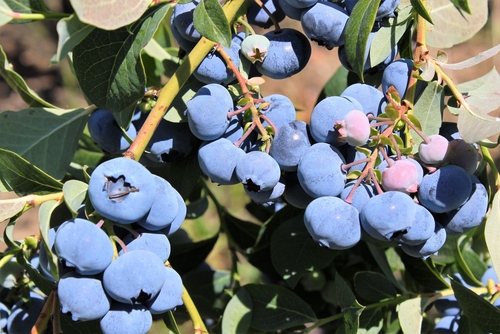
Wild blueberries grow low to the ground on small shrubs. You’ll recognize them by their size—they’re quite small—and their deep color. Unlike store-bought berries, wild blueberries are blue all the way through! That’s why you end up with a blue tongue or stained hands after a day of harvesting them in the forest.
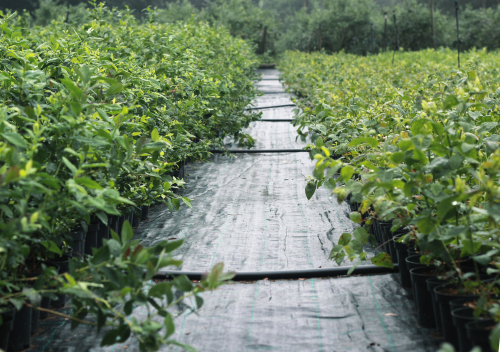
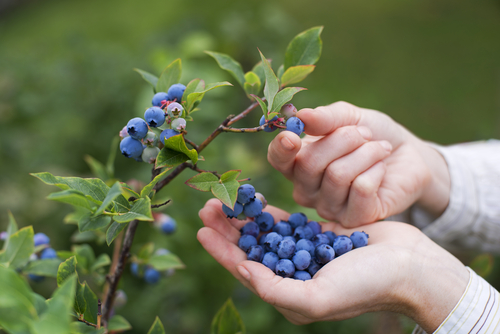
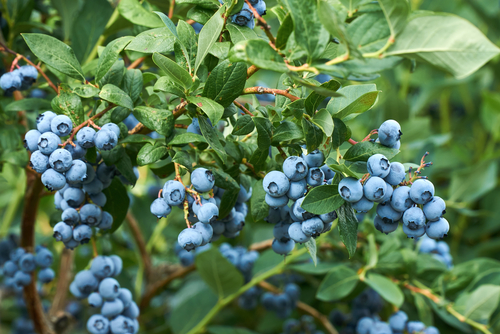
The cultivated blueberry, which actually originated right here in North America, is what you’ll find at your local garden center. These plants are much larger, growing into impressive bushes that can reach up to ten feet tall, whereas wild varieties rarely top 15 inches. The fruit is significantly bigger, but here’s the kicker: the flesh inside is pale, not blue. This means no stained fingers! While they might not have that intense, wild tang, they are much juicier and sweeter.
A Healthy, Delicious Snack
Blueberries aren’t just tasty; they’re a total superfood packed with nutrients. There’s nothing quite like eating them fresh-picked right off the bush (just give them a quick rinse first!). Since they ripen gradually over the season, you don’t have to worry about a “berry explosion” all at once. But if you do find yourself with a bumper crop, they freeze beautifully. You can also use them to:
- Whip up homemade jams or jellies,
- Level up your favorite cake recipes,
- Create delicious compotes and fruit desserts.
Nature’s Favorite Food Coloring
Because of that intense pigment—especially in wild varieties—blueberries make a fantastic natural food dye. They create a gorgeous blue-purple hue that looks stunning in frostings or creamy desserts. Depending on how many you use, you can achieve anything from a soft pastel lavender to a deep, royal purple.
Just a pro-tip from one gardener to another: be careful not to water down your recipes! Blueberries are super juicy, which can sometimes mess with the consistency of your batter or cream. For a classic treat, you can’t go wrong serving them the traditional American way: piled high on top of pancakes or waffles. It looks beautiful on the plate and tastes even better!