If you’re looking to add a Blue Spruce to your landscape, most people head to the local nursery to pick up a container-grown tree. But if you’ve got a little patience and a green thumb, you can actually grow one yourself from a cutting! It’s a rewarding project that just takes a bit of know-how.
What Exactly Is a Cutting or Sapling?
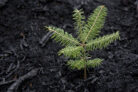
In the gardening world, we often talk about “vegetative propagation.” All that really means is growing a new plant from a piece of a “mother plant” rather than from a seed. You start by taking a fresh cutting from a healthy branch. Once that cutting develops its own root system and is ready to be moved into the ground, it’s officially a sapling.
Where Can I Get Blue Spruce Cuttings?
You can certainly buy young saplings at a garden center, but it’s pretty easy to take cuttings from your own Blue Spruce. To give your new little trees the best start, timing and selection are key.
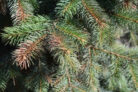
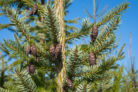
First, look for a mother tree that is between 10 and 25 years old—this is the “sweet spot” for successful rooting. You’ll want to take your cuttings on a frost-free day in late February or early March, just a few weeks before the new spring growth starts. And of course, make sure the tree looks healthy and is free of any diseases or pests.
How Do I Grow My Own?
Find a one-year-old shoot that hasn’t turned woody yet. You can either snip it off or gently pull it away from the branch. If a little strip of bark (often called a “heel”) comes off with it, leave it attached! Strip the needles off the bottom couple of inches and tuck the cutting into a pot filled with high-quality seed-starting mix.
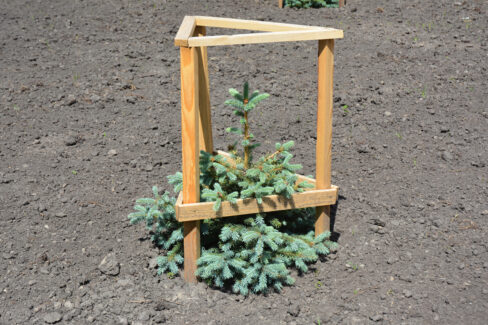
Keep the soil consistently moist throughout the summer. By late July or August, your cutting should have a solid root system. At that point, you can transplant your new sapling directly into the garden or keep growing it in a container for a while longer.
Quick Summary:
- Choose a healthy mother plant free of pests and disease.
- Take cuttings in early spring before new growth begins.
- Plant them in a pot with seed-starting soil.
- Use rooting hormone to help those roots develop faster.
- Keep the soil evenly moist.
- Consider using a humidity dome or a greenhouse to keep them cozy.
- Move them to the garden starting in July or August.
Pro Tip: To give your cuttings a head start, dip the ends in a little rooting powder before you stick them in the soil. It really helps speed up the process!