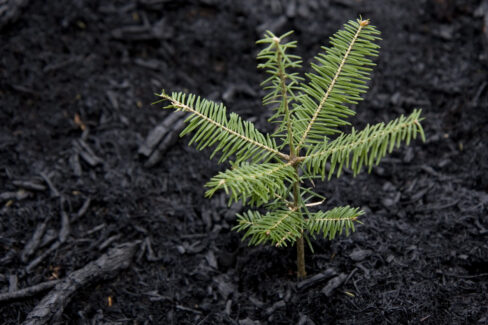
In the wild, spruce trees do a great job of spreading their seeds and growing all on their own. But if you want to take the reins and grow your own spruce from scratch, using seedlings is the way to go. To make sure your little trees actually thrive and grow into majestic evergreens, there are a few tips and tricks you should know. Here’s how to turn a tiny cutting into a healthy, vibrant spruce.
Planting and Caring for Your Seedlings
If you’re working with bare-root seedlings, the absolute best time to get them in the ground is during the fall. This gives the young plants plenty of time over the winter months to establish a solid root system before the spring growing season kicks in.
The golden rule here is consistent watering. You’ll want to give them a good soak right before and after planting, but don’t stop there—keep up with a generous watering schedule for the first few weeks. Just a heads-up: make sure the soil drains well. You want moist soil, not a swamp, as standing water can lead to root rot.
Where to Get Your Spruce Seedlings
Generally, there are two ways to get your hands on spruce seedlings:
- You can pick them up at your local garden center or nursery.
- You can propagate them yourself using cuttings from a “mother plant” you already have.
Buying from a Garden Center
Most nurseries and big-box home improvement stores carry a variety of options, from potted trees to fresh, bare-root seedlings. This is the easiest way to pick a specific spruce variety and get it straight into your garden or into a large pot.
Growing Your Own from Cuttings
If you’re feeling adventurous, you can grow new trees from an existing spruce. The cool thing about this method is that the new plants will be genetically identical clones of the original tree.
First, you’ll need to take some cuttings. Look for one-year-old tips that haven’t turned fully woody yet—usually from the third or fourth branch whorl down. Aim for pieces about four inches long. The best time to take these cuttings is in late winter (February or March), just a few weeks before the new spring growth starts.
To give your cuttings a head start, dip the ends in some rooting hormone powder. Then, poke them a couple of inches deep into a pot filled with seed-starting mix. Keep the pot in a warm, dry spot—a greenhouse or a sunroom is perfect—and make sure the soil stays consistently moist.
After a few weeks, you should start to see the first roots forming. Once the seedlings have a strong root system and have grown a bit, they’ll be ready for their permanent home in your yard.