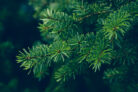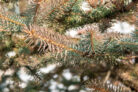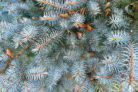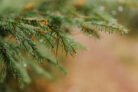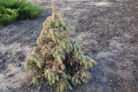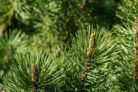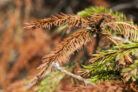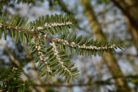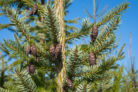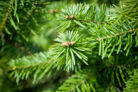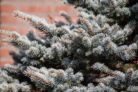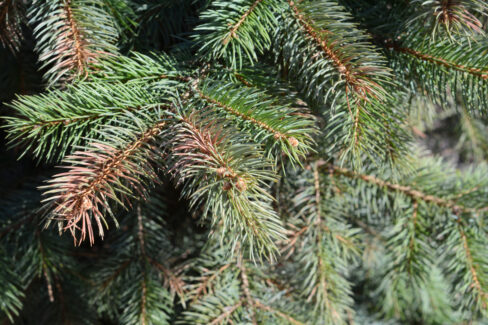
A healthy Blue Spruce is a real showstopper with those signature shimmering, blue-gray needles. If you notice a few needles turning brown and dropping here and there, don’t panic—that’s usually just part of the tree’s natural cycle. However, if entire shoots are starting to look crispy, it’s time to put on your detective hat and find out what’s going on.
Why are my Blue Spruce needles turning brown?
There are quite a few reasons why those needles might lose their color. If the tree was planted in a spot it doesn’t like, you’ll usually notice it early on because it just won’t thrive. On the other hand, the Blue Spruce can be surprisingly patient with some maintenance mistakes—up to a point. The biggest red flag? Drought. If the soil stays dry for too long, those needles will turn brown fast, and yes, that can even happen during a dry winter.
Sometimes, the culprit is a bit more sinister, like diseases or pests. Keep an eye out for fungal infections, bark beetles, or the spruce gall aphid. You’ll want to act quickly here to save your tree. If you’re sure the tree is getting enough water and you don’t see any bugs, you might actually be looking at a magnesium deficiency.
Another common issue, especially if your tree is near a driveway or sidewalk, is road salt. The damage from winter salt often doesn’t show up until much later, making it a bit of a “silent killer.” Try to avoid using de-icing salt anywhere near your spruce. If you live right next to a busy road that gets salted heavily in the winter, you might want to rethink planting a Blue Spruce in that specific spot.
Possible causes for browning needles:
- Bad location/soil conditions
- General maintenance mistakes
- Magnesium deficiency
- Winter road salt damage
- Fungal diseases (like needle cast or rust)
- Pests (bark beetles, spruce gall aphids, or Sitka spruce aphids)
How can I fix the browning?
First things first: Blue Spruces need consistent moisture all year round. This means if you’re having a dry winter, you should give your tree a drink on days when the ground isn’t frozen. If a nutrient deficiency is the problem, a dose of Epsom salts (magnesium sulfate) can work wonders. For pests and diseases, you’ll want to treat them with the appropriate organic or chemical controls as soon as possible—though I’ll be honest, some fungal issues can be a bit stubborn to clear up.
pro tip: Don’t jump to the worst-case scenario right away! The cause could be as simple as a thirsty tree or the natural shedding process, as these trees tend to swap out their old needles about every seven years.