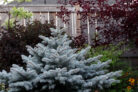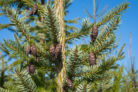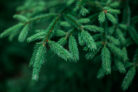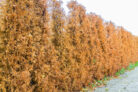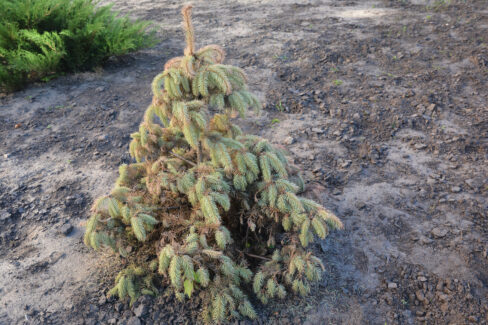
Ever notice a few brown needles on your Blue Spruce or realize the tree is starting to shed more than usual? It’s a common sight, but it can definitely be a bit worrying. While sometimes it’s just part of the tree’s natural cycle, other times your suspicions might be right—a plant disease could be the culprit.
What kind of diseases affect Blue Spruce?
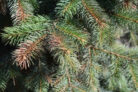
Most of the issues you’ll run into with a Blue Spruce are caused by fungal pathogens. To be honest, it’s not always easy for a backyard gardener to tell them apart at first glance; you really have to get in there and look closely at the needles. While a well-cared-for tree is usually pretty hardy, things like rust, needle cast, and needle redness do pop up. On the flip side, brown needles are often just a sign of “user error”—usually a lack of water or a little too much stress.
If you spot pale yellow needles covered in tiny, elongated black dots, your tree is likely dealing with Lirula needle cast. If the needles are turning a distinct reddish-brown, you’re probably looking at spruce needle redness (Tiarosporella parca), which sometimes shows up with little greenish spots too.
Then there’s spruce needle rust. This one usually attacks the fresh, new growth at the tips first. As it spreads, those infected shoots die off, and the fungus waits to jump onto the next round of new growth. One specific variety, *Chrysomyxa rhododendri*, actually bounces between Rhododendrons and Blue Spruces.
Common symptoms of Blue Spruce diseases:
- Lirula Needle Cast (*Lirula macrospora*): Pale yellow needles with black, elongated spots.
- Spruce Needle Redness (*Tiarosporella parca*): Reddish-brown needles, sometimes featuring green dots.
- Spruce Needle Rust (*Chrysomyxa*): Infects new growth; needles eventually die off as the infection moves to the next season’s buds.
Could pests be the problem?
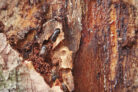
It’s not always a disease—sometimes pests are the ones causing the real drama. The one you really want to watch out for is the European spruce bark beetle (the “Engraver” beetle). These guys are no joke and can do some serious damage. Occasionally, you might also run into aphids or adelgids hanging out on the branches.
How can I help my Blue Spruce?
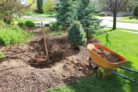
I’ll be honest: once a fungus really takes hold of a Blue Spruce, it’s tough to fight back. Sometimes a heavy pruning can help stop the spread, but your best bet is playing defense from the start. Keep your soil pH steady between 6.5 and 7.5, and try to stick with organic fertilizers.
Quick Tip: A good layer of mulch—occasionally boosted with some nettle tea—is a great way to keep your Blue Spruce happy and resilient.