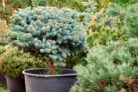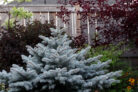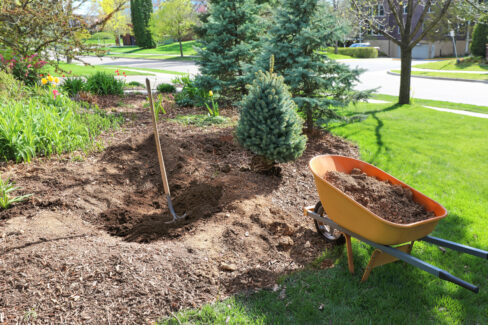
A Blue Spruce can be a stunning focal point in any yard, but getting that iconic look requires a little bit of planning. To keep those needles vibrant and the tree healthy, you’ll need to pick the right spot, prep the soil, and keep up with watering. Here is everything you need to know about planting your own Blue Spruce.
Picking the Perfect Spot
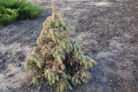
If you want your Blue Spruce to thrive, think “sun, sun, and more sun.” These trees crave bright, sunny locations. If they end up in even partial shade, you might start seeing needles turn brown and drop off. Full shade is a total dealbreaker for them. On the bright side, they are incredibly hardy when it comes to wind, so don’t worry about a breezy backyard.
Size is the other big factor. Remember, that cute little sapling can eventually soar over 30 feet high and spread out 15 feet wide. Their root systems need plenty of elbow room, too. Make sure you aren’t planting them too close to walls, fences, or your home’s foundation.
Prepping the Soil
The good news is that the Blue Spruce isn’t too picky about soil. They generally do great in well-draining, sandy-gravelly loam or soil that stays consistently fresh to slightly moist. Compared to other spruce varieties, the Blue Spruce handles dry spells a bit better. As for pH, they’re happy with anything from slightly alkaline to slightly acidic.
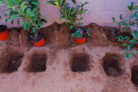
When you’re digging the hole, you don’t need to go incredibly deep—these trees are shallow-rooted. Instead, focus on the width. Make sure the hole is wide enough so the root ball fits comfortably without any roots being bent or snapped.
How to Plant Your Tree
Before you put the tree in the ground, give the root ball a good soak. Place it in the hole and fill it back in with your soil. If you want to give your tree a “welcome home” boost, mix some rock flour or leaf compost into the soil before backfilling. Once it’s in, give it a generous watering to help it settle.
Quick Summary:
- Location: Bright and sunny; give it plenty of space away from walls or structures.
- Soil: Sandy, loamy, and well-draining; slightly acidic to alkaline is fine.
- When to plant: You can plant almost year-round, but fall is the ideal time.
- Pro tip: Wear gardening gloves! Those needles are sharp.
- Digging: Go for a wide, relatively shallow hole.
- Watering: Soak the sapling before planting and water thoroughly immediately after.
Quick Tip: Spread a layer of grass clippings, bark mulch, or fallen leaves around the base of the tree. This mulch layer helps retain moisture and makes it much easier for the tree to establish its roots.