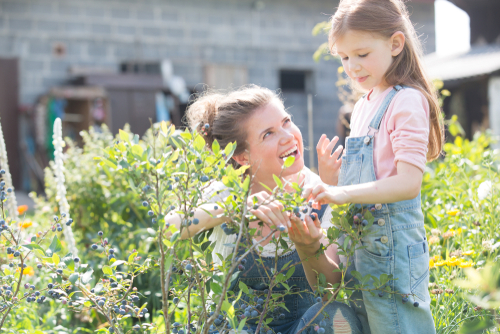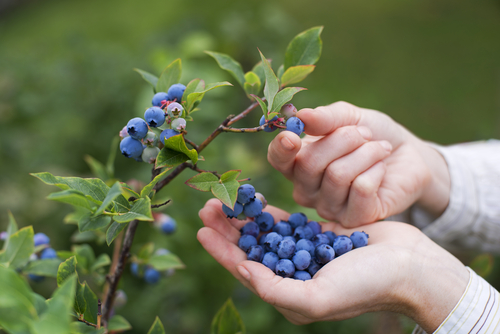
Cultivated blueberries are the ultimate summer treat right from your own backyard. They’re incredibly delicious and the perfect refreshing snack for those scorching July afternoons. But here’s a fun fact: they aren’t actually the same thing as the wild bilberries you might find trekking through the woods. Let’s dive into everything you need to know to grow your own bumper crop of cultivated blueberries!
Are Wild Bilberries and Cultivated Blueberries the Same?
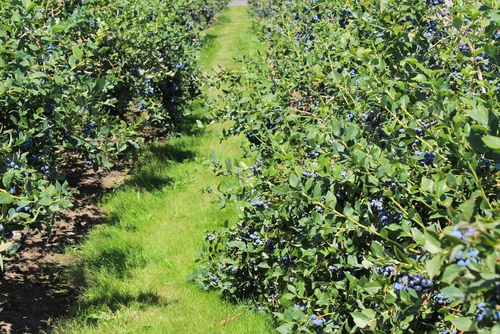
The short answer? Nope! While they’re cousins, they aren’t the same fruit. The cultivated blueberries you see at the nursery or grocery store are specifically bred for home gardens and commercial farms. Wild bilberries (often called European blueberries) are tiny little things, usually staying under 15 inches tall. Cultivated blueberries, on the other hand, grow into impressive shrubs that can reach up to 10 feet high!
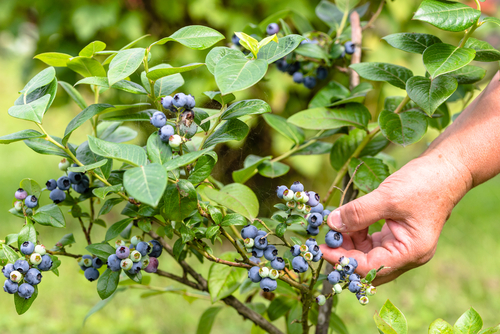
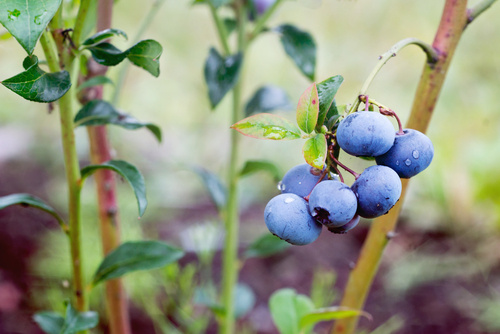
The fruit itself is also quite different. Wild bilberries are small, punchy, and have dark blue flesh. Cultivated blueberries are much larger, plumper, and juicier. Plus, their flesh is actually white, not blue. This means you won’t get those tell-tale blue lips or stained fingers when you’re snacking on them—your hands stay clean during the harvest!
Location and Soil Requirements
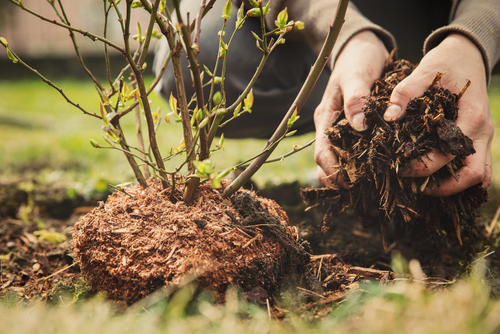
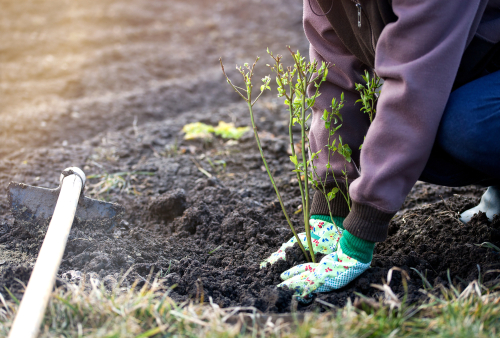
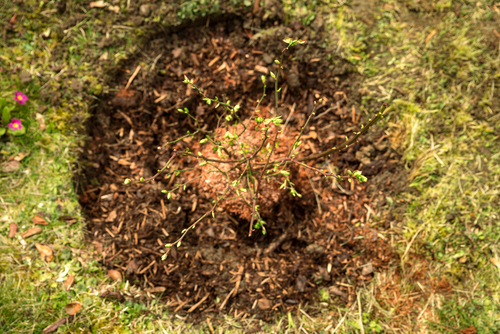
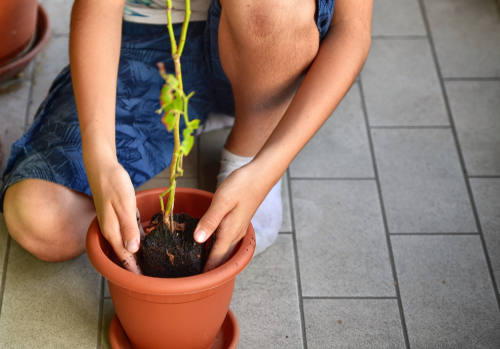
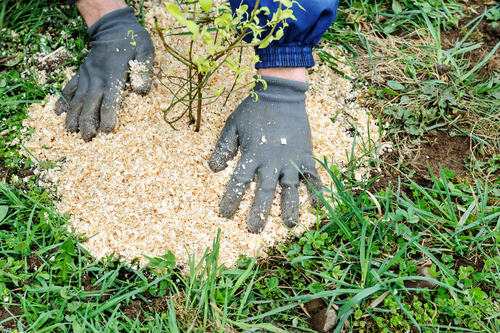
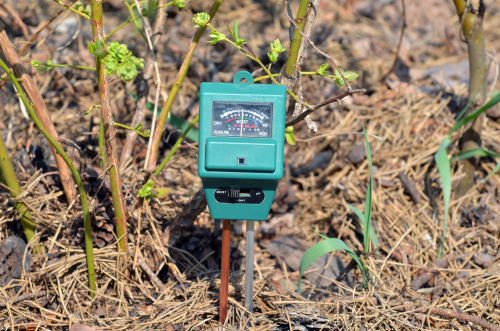
Even though they look different, cultivated and wild blueberries do share some common ground—literally. Neither of them can stand lime in the soil; they both demand acidic soil to thrive. The ground should be loose, airy, and consistently moist. If your garden soil is naturally alkaline or heavy clay, don’t worry! You can simply swap out the soil in your planting hole or grow your blueberries in large containers. Using standard rhododendron or azalea potting mix works like a charm.
When it comes to sunlight, their preferences diverge. While wild berries love the dappled shade of a forest, cultivated blueberries are sun-worshippers. They need a sunny spot to produce the sweetest fruit. Just remember that full sun dries out the ground quickly, so you’ll need to water regularly. Just be careful not to overdo it—blueberries hate “wet feet” (standing water), so well-draining soil is a must.
Caring for Your Cultivated Blueberries
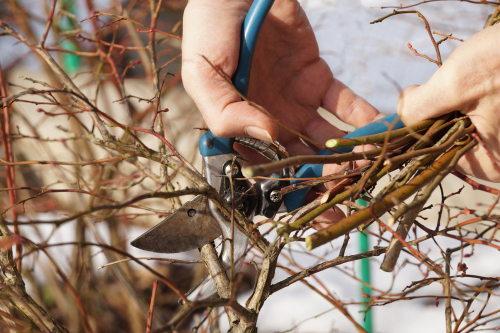
The golden rule for blueberry care is consistent watering. This is especially critical when the plant is first budding in the spring and again when the fruit is ripening. As for pruning, you don’t need to go crazy with the shears every year. However, it’s a good idea to thin out old branches every now and then to encourage fresh growth and bigger harvests. The best time for pruning is in the fall, right after the harvest season ends.
Unlike their wild relatives, fertilizing your blueberries is highly recommended for the best results. I usually suggest a two-phase approach: once in early spring before the buds break, and again at the end of May. Just make sure you use a lime-free fertilizer specifically designed for acid-loving plants.
Your blueberries will usually be ready to pick starting in early July. Pro tip: only harvest the berries that are fully blue and ripe, because blueberries won’t ripen any further once they’re off the bush. They don’t keep for very long—maybe a few days in the fridge—but they freeze beautifully and make amazing preserves. The best part? The berries don’t all ripen at once. You won’t be overwhelmed by a massive mountain of fruit; instead, you can enjoy a steady harvest from July all the way into September!