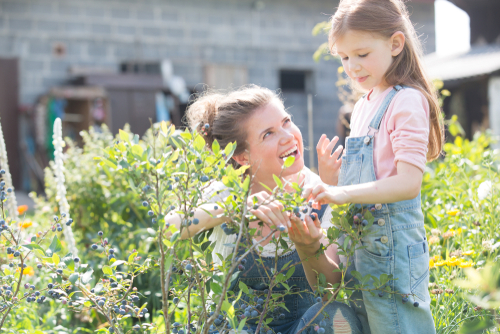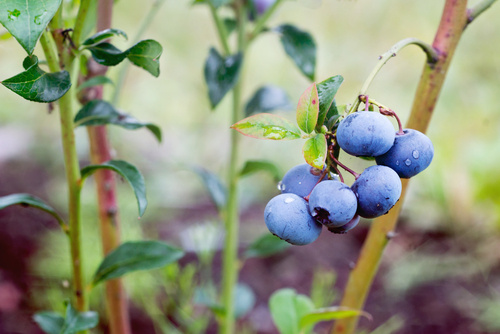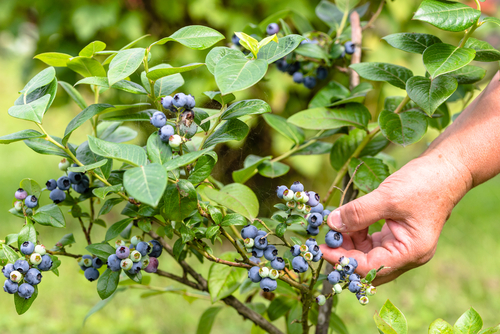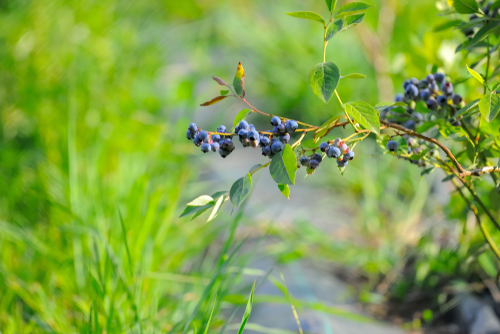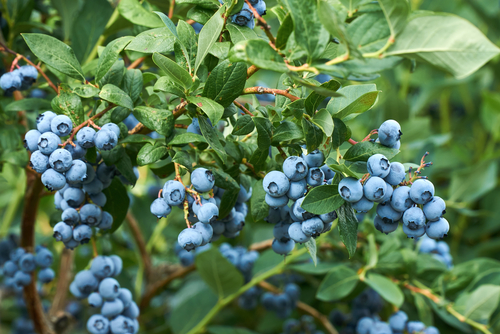
There’s nothing quite like a refreshing summer hike in the woods, especially when you stumble upon a patch of wild blueberries. After you’ve brought a handful home, washed them off, and tasted that intense flavor, it’s only natural to think: *“I need these in my backyard!”*
Foraging for Wild Blueberries
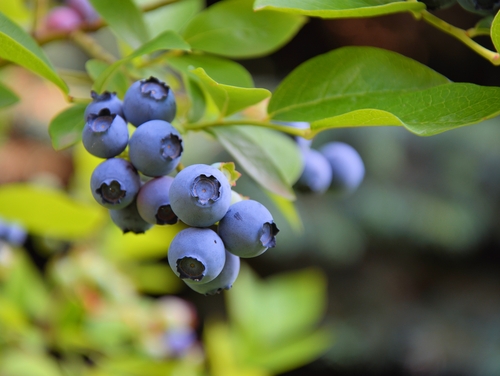
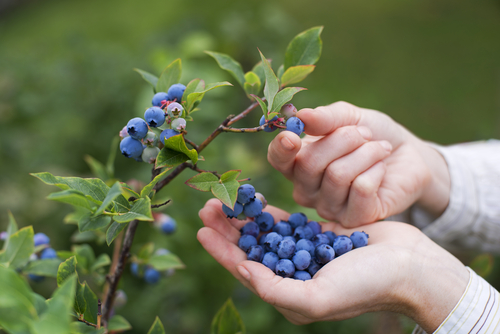
In our neck of the woods, wild blueberries (often called bilberries) love the dappled light of open forests and thrive in marshy, bog-like areas. Once you find a “secret spot,” heading out to pick them is a classic mid-summer tradition.
A quick safety tip: don’t snack on them right off the bush! To stay safe from parasites like fox tapeworm, you’ll want to give them a good soak at home first. When you’re out harvesting, try to transport them in shallow containers so the berries on the bottom don’t get crushed. Once you’re back in your kitchen, wash them thoroughly, and then they’re ready for snacking or baking!
Growing Wild Blueberries at Home
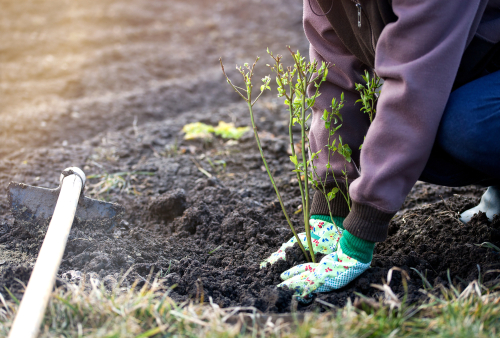
If you’d rather have your berry fix inside the safety of your own garden fence, you can certainly try growing them yourself. I’ll be honest with you—it’s a bit of a challenge, but it’s definitely doable. Just keep two things in mind:
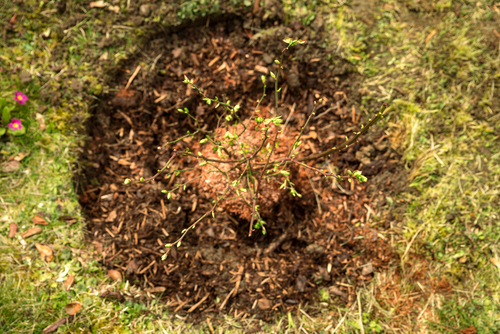
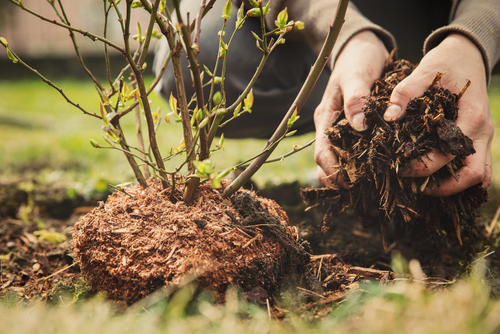
- 1. Most backyard soil isn’t naturally suited for wild blueberries. You’ll likely need to swap out your dirt for something more specialized.
- 2. Don’t expect a massive haul. Wild blueberries in a garden setting usually won’t produce as much fruit as they do in the wild, and they definitely won’t be as heavy-yielding as the standard “highbush” cultivated blueberries you see at the grocery store.
Where to Find Wild Blueberry Plants
Finding these plants can be a bit of a scavenger hunt. Most garden centers focus on cultivated varieties, so wild ones are often overlooked. If you’re browsing the nursery, look specifically for the botanical name *“Vaccinium myrtillus.”*
You might be tempted to just dig a few up from the forest, but hold your horses! Always check with your local forestry office or land owner before removing plants from the wild. It’s better to stay on the right side of the law (and the ecosystem).
The Perfect Spot for Your Berries
Once you’ve got your plants, you need to give them the right “home” or they won’t last long. Unlike cultivated blueberries that crave full sun, wild blueberries are forest dwellers. They prefer partial to full shade. If you plant them in a spot with scorching afternoon sun, they’re going to struggle.
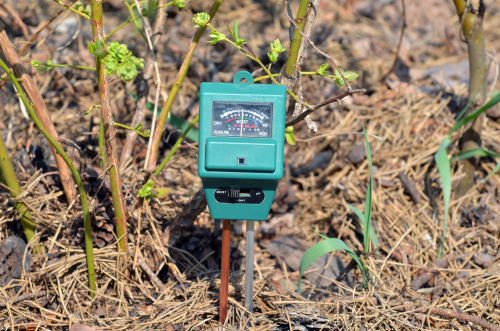
The soil is the most important part: it needs to be lime-free and acidic (think peat-heavy or ericaceous compost). It also needs to be loose and well-draining. While they like to stay hydrated, these plants absolutely hate “wet feet” (standing water).
Here’s a quick cheat sheet for the perfect wild blueberry spot:
- Partial shade to full shade
- Protected from harsh winds
- Acidic, lime-free soil
- Consistent moisture without getting soggy