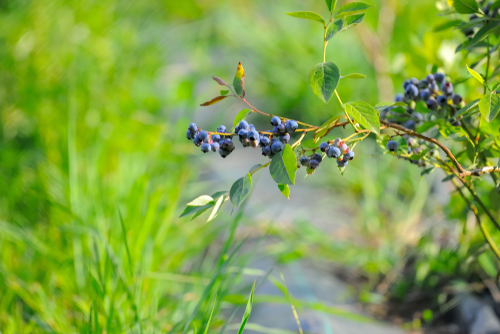
If you’ve ever gone foraging, you know all about those tiny, intense wild blueberries that grow deep in the woods. Then, of course, there are the cultivated blueberries we all know and love from the grocery store. But lately, you might have heard people talking about “garden blueberries” and wondered: is that a third species I need to know about?
Garden Blueberries: A Backyard Favorite
The short answer is no! “Garden blueberry” isn’t a new species; it’s just another name for the cultivated blueberry (originally native to North America). The name likely stuck because these varieties were specifically bred to thrive in a home garden setting. But here’s the kicker: even though they share a name, garden blueberries and wild blueberries aren’t actually close relatives.
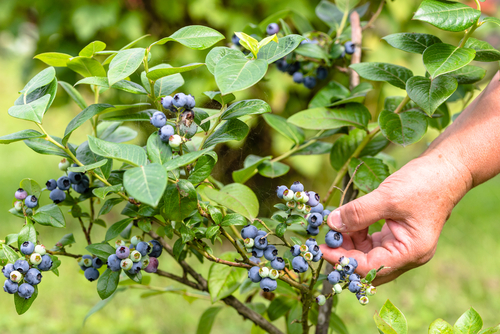
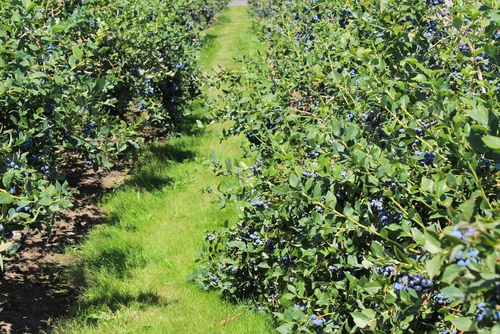
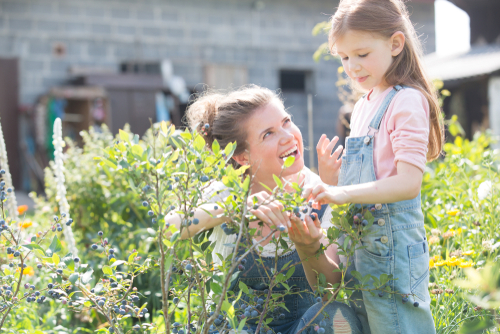
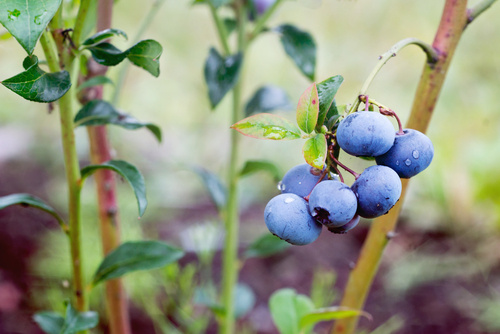
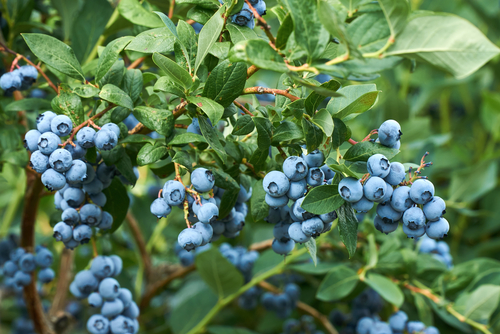
If you’re a die-hard fan of that sharp, wild blueberry tang, you should know that the garden variety offers a totally different experience. The berries are much larger and a bit milder, but they make up for it by being incredibly juicy and sweet. Plus, the harvest is massive compared to what you’d find in the woods.
Garden blueberry bushes can grow up to six feet tall and will keep you in fresh fruit from early July all the way through September. Another huge perk? Since they’re growing in your own backyard, you don’t have to worry about the parasites or pollutants sometimes found on wild-foraged berries.
How to Grow Your Own Garden Blueberries
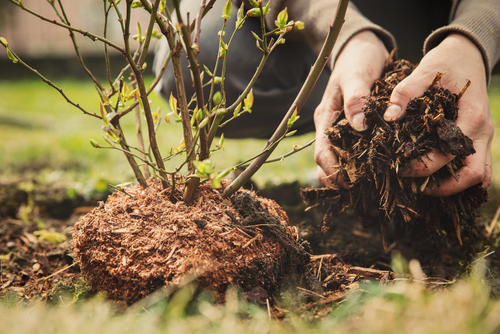
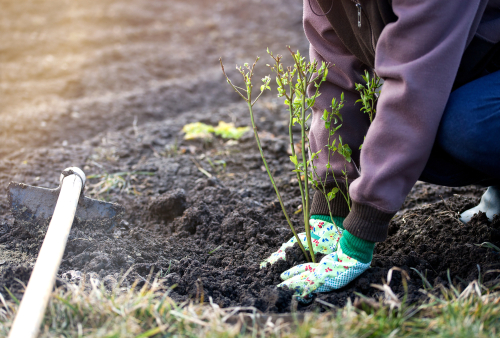
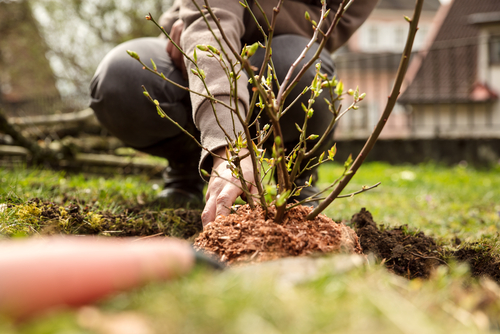
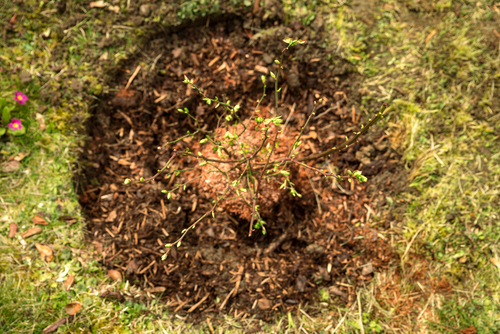
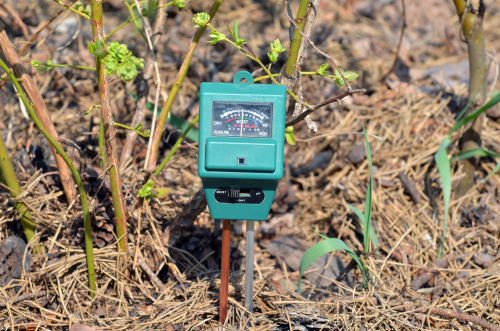
Just like their wild cousins, garden blueberries crave acidic, lime-free soil. They like to stay consistently moist, but they hate “wet feet” (standing water). Since most backyard soil isn’t naturally acidic enough, you’ll likely need to swap some out. A quick pro-tip: store-bought rhododendron or azalea potting mix works wonders here. When planting, dig a hole that is wide rather than deep, as blueberries have very shallow root systems.
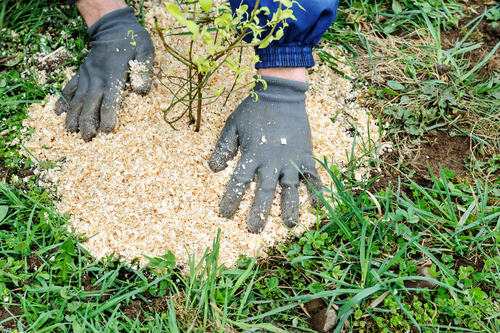
If you want to skip the peat moss for environmental reasons, you can acidify your soil using:
- Spruce needle compost
- Fir needle compost
- Untreated sawdust
Peat is harvested from bogs, which destroys vital habitats, and it’s actually pretty easy to over-acidify your soil with it, which does more harm than good. Stick to the natural mulch and compost options!
Caring for Your Blueberry Bushes
The secret to happy blueberries is regular watering. This is especially critical during the harvest season and through those long, dry summer stretches. Keeping the soil loose and well-drained will prevent that dreaded root rot.
When it comes to maintenance, you can actually put the shears away for a while—you won’t need to prune your bushes for the first four years. After that, a little “rejuvenation cut” every now and then will keep them productive. Make sure to check your bushes every few days during the summer; the berries ripen at different times, so there’s almost always a fresh handful waiting for you!