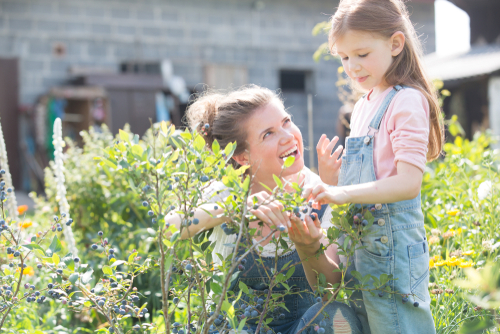
Sure, you can find wild blueberries growing in the woods, but let’s be real—hunting for them can be a bit of a scavenger hunt. If you don’t feel like trekking through the forest to find your berry fix, I’ve got a better idea: why not grow your own cultivated blueberries right in your backyard?
Are Store-Bought and Wild Blueberries the Same?
Even though they share a name, wild blueberries and cultivated blueberries are actually distant cousins. Most of the varieties we plant in our gardens are native to North America, and they differ from the wild forest types in a few big ways:
- The Flavor: Wild berries pack a more intense, tart punch, while cultivated berries are much juicier and sweeter.
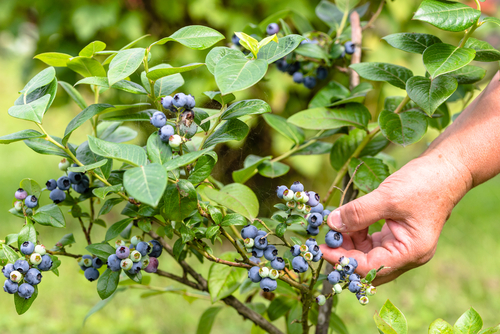
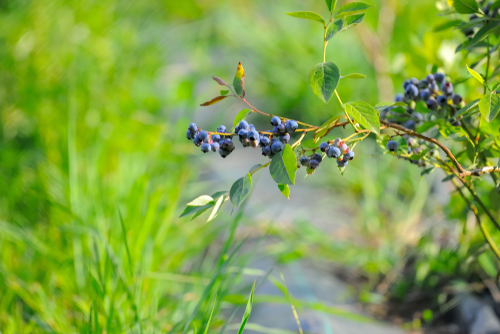
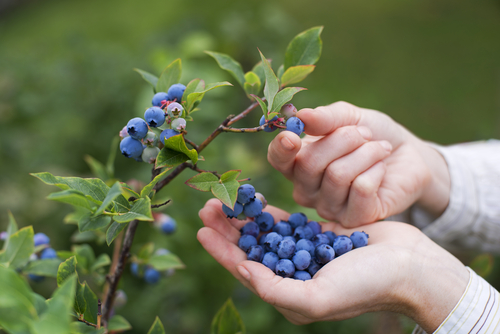
- The Flesh: Both have that beautiful blue skin, but only wild blueberries are blue all the way through (which is why they turn your tongue and hands purple!). Cultivated blueberries have a pale, light-colored interior.
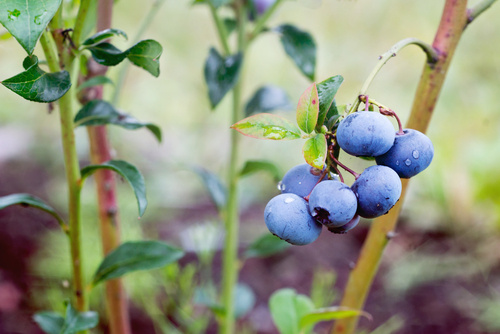
- The Size: Wild berries are tiny, whereas cultivated ones are big, plump, and perfect for snacking.
- Growth Habit: Cultivated blueberries grow into sizable shrubs—you can even plant them as a hedge! Wild ones, on the other hand, tend to stay low to the ground.
Growing Your Own: Location and Soil
You can find plenty of established blueberry bushes at your local nursery or garden center. They’re usually pretty affordable, so there’s really no need to mess around with starting them from seed. Most nursery plants are about 12 to 20 inches tall, which means you’ll likely be harvesting your first batch of berries by the very next year.
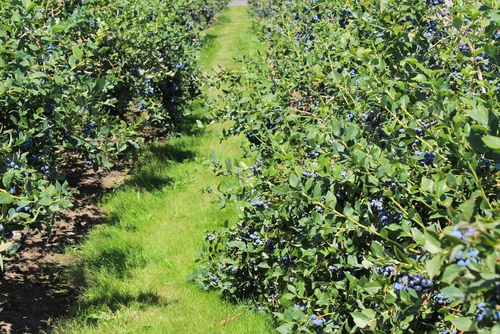
While wild blueberries love the dappled shade of the forest, our garden varieties are sun-worshippers. They need a sunny spot to thrive. The most important thing to remember is that they need acidic, low-lime soil with a pH around 4.0. If you’re planning on planting a few of them, setting them up in rows is usually the way to go.
How to Plant Your Blueberries
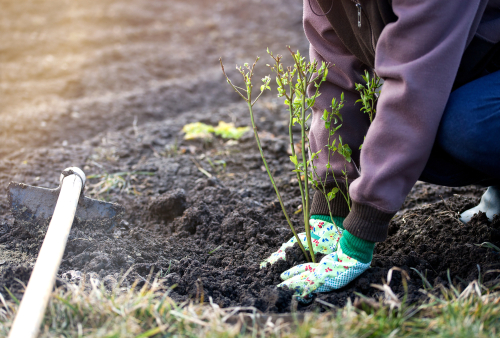
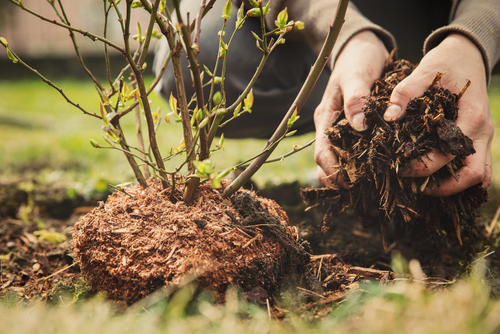
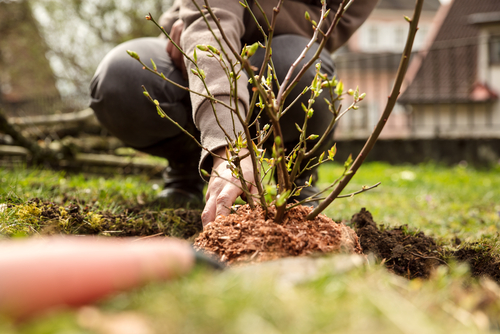
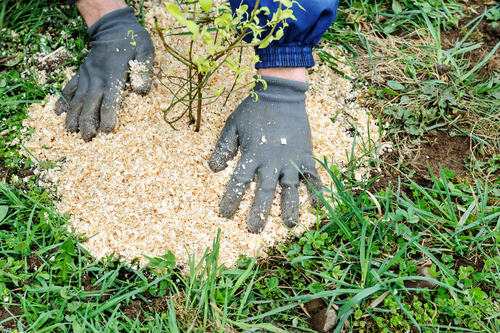
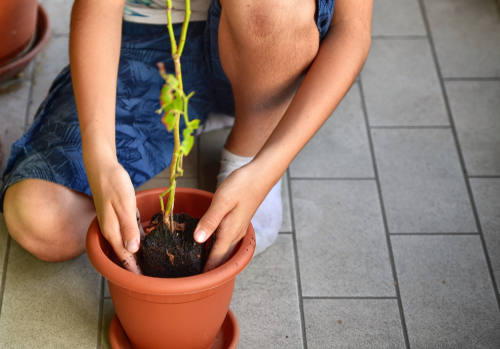
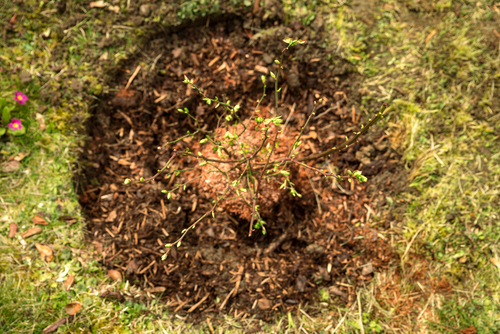
Since most backyard soil isn’t naturally acidic enough, you’ll probably need to swap some out. A pro tip? Use standard rhododendron or azalea potting mix—blueberries love it! When digging your hole, think wide rather than deep, as blueberries are shallow-rooted plants.
Go ahead and mix in some fertilizer right at the start; horn meal or a specialized acid-loving plant food works great. Just make sure to avoid anything containing lime, as blueberries are really sensitive to it.
Cultivated blueberry bushes can reach up to 10 feet tall, so give them some elbow room. Aim for about 5 feet of space between plants and about 8 feet between rows. This gives you plenty of space to walk through and reach every single berry during harvest time. And don’t worry if you change your mind about the layout later—it is possible to transplant mature blueberry bushes if you need to move them!