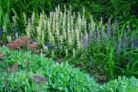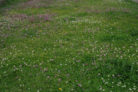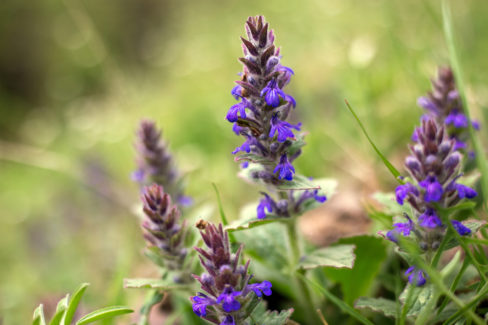
If you’re looking to cover bare ground in shady or semi-shady spots quickly, Bugleweed (Ajuga) is usually a top pick. It’s a pro at spreading out and crowding out weeds, but that strength is also its biggest downside—it just doesn’t know when to stop! Once it starts creeping into your lawn, it quickly goes from a helpful groundcover to an unwelcome guest.
Timing is Everything
If you want to effectively get rid of Bugleweed, you’ve got to act fast. This plant is a double threat: it spreads through self-seeding and by sending out runners (stolons) through its root system. Because it moves so quickly on two fronts, staying ahead of it is key.
The Right Way to Handle It
The easiest way to keep your lawn Bugleweed-free is to set boundaries right from the start. A garden edging or border is your best friend here. However, don’t bother with a traditional deep root barrier—Bugleweed runners actually travel across the surface of the soil. Make sure your edging sits high enough above the ground to physically block those creeping stems.
If the Bugleweed has already escaped its designated spot, you’ll need to roll up your sleeves and remove it manually. Just pulling at the leaves usually isn’t enough, as any bit of root left behind can sprout a new plant. Your best bet is to use a trowel or spade to dig it out generously, making sure you get the whole root system.
A Few More Tips
Another great preventative measure is to give the plants a good haircut once the blooming season is over. By deadheading those faded flowers, you prevent the seeds from maturing and dropping. If you skip this step, those seeds will hitch a ride on the wind or your lawnmower and pop up all over your grass.
To keep Bugleweed in check, remember these three steps:
- Use raised garden edging to block surface runners.
- Dig out the roots entirely rather than just pulling the leaves.
- Prune back the flowers immediately after they fade to prevent seeding.