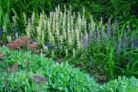
Bugleweed (Ajuga) is a huge hit with home gardeners, and it’s easy to see why! Its popularity mostly comes down to the incredible variety of colors across different species. Plus, it’s a real marathon bloomer—you get to enjoy those flowers for about four months, stretching from early spring well into the summer.
The Show Starts in April
You can usually expect the first blooms to pop up in April. From then on, the plant keeps pushing out new growth all the way through July, and in some cases, you’ll even see flowers hanging around into August.
A Closer Look at the Blooms
Most of the time, Bugleweed shows off stunning violet-blue flower spikes. These grow in whorls and can reach about eight inches in height. When a patch is in full bloom, it looks absolutely spectacular! But it’s not just about the flowers—different varieties offer a whole rainbow of foliage colors, too. Here are a few of my favorites:
- Alba: Lush green leaves with crisp white flowers.
- Black Scallop: Super dark, glossy green leaves and blue-violet flowers.
- Braunherz: Bronze-toned foliage paired with violet-blue blooms.
- Catlin’s Giant: Leaves start out red and turn dark green, with classic blue flowers.
- Patina: Deep purple leaves and lilac flowers.
- Tottenham: Dark brownish-red foliage and pretty pink flowers.
Harvesting During Bloom
Did you know Bugleweed isn’t just pretty to look at? It’s actually an edible plant and has a history as a medicinal herb. It’s known for its calming properties and can help with things like heartburn or trouble sleeping. The plant’s active ingredients are at their peak when it’s in full bloom, so if you’re planning to use it for tea or natural remedies, that’s the best time to harvest.
Post-Bloom Pruning
Once the flowering season wraps up, you’ll want to give your Bugleweed a good trim. If you skip this, the seeds in the spent flowers will mature and start spreading all over the place. Since the plant stays low to the ground (usually under 12 inches), you can actually just run the lawnmower over it to get the job done quickly!