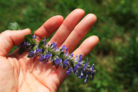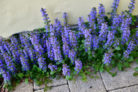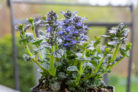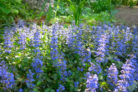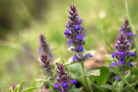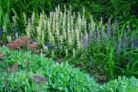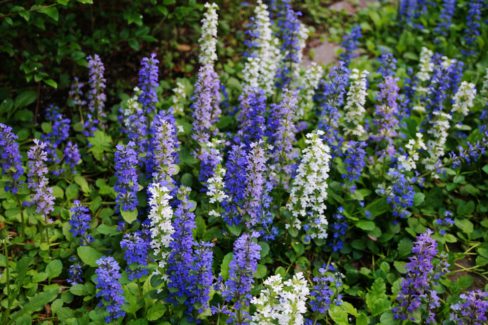
When most of us think about Bugleweed (or *Ajuga reptans*), we usually picture a reliable groundcover that does a killer job of choking out weeds. It’s true—if you have a bare patch of soil you want covered quickly and beautifully, Bugleweed is your best friend. But there is so much more to this little plant than just being a pretty carpet for your garden.
A Classic Healing Herb
As a native plant, Bugleweed has a long history in traditional herbal medicine. Back in the day, it was a go-to remedy for digestive issues, but its benefits don’t stop there. It contains compounds that actually help speed up wound healing, and sipping on a cup of Bugleweed tea is known to have a lovely calming effect. Because of these properties, it’s been used to help with a surprisingly wide range of issues:
- Acid reflux and heartburn
- Mouth inflammation
- Joint pain and inflammation
- Gout
- Wounds and scars
- Ulcers
- Insomnia
Getting Creative in the Kitchen
Believe it or not, Bugleweed isn’t just for your medicine cabinet—it actually has a really unique flavor profile! You can use it as a culinary herb, though you’ll want to use a light touch. The stems and leaves are packed with bitter compounds, similar to chicory. Because they’re so potent, I recommend using them sparingly in soups or savory dishes. On the flip side, the flowers are much milder. They make a beautiful (and tasty!) raw garnish for salads or even desserts.
A Word of Caution on Groundcover
While I mentioned earlier how great Bugleweed is at filling in gaps, there is one little catch: it doesn’t always stay exactly where you put it. It spreads in two ways—by dropping seeds and by sending out runners. If you’re trying to keep it contained, keep in mind that a standard underground root barrier won’t do much. Since this plant spreads via “runners” right on top of the soil, you’ll need an above-ground border or edging to keep it from wandering into the rest of your flower beds.