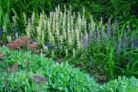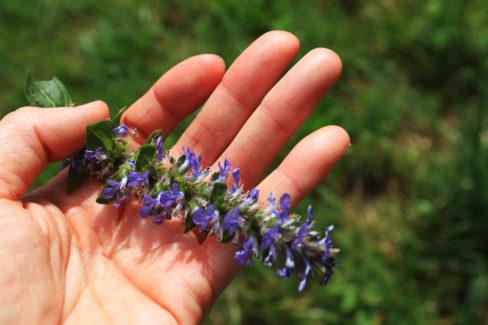
With about 65 different species found all over the globe, bugleweed is a pretty diverse group of plants. The most common variety we see is Carpet Bugle (Ajuga reptans), which has a long history in both the kitchen and the medicine cabinet. But before you start tossing it into every dish, there’s a little “insider info” you should know.
A Bold, Bitter Flavor
The main thing to keep in mind with Carpet Bugle is its punchy, bitter flavor profile. If you’ve ever eaten chicory, you’ll know exactly what I’m talking about. Because it’s so strong, you’ll want to use a light hand when adding it to your recipes—just like you would with other edible bugleweed varieties. It works best when tucked into hearty dishes like:
- Creamy soups
- Rustic stews
- Baked casseroles
- Savory herb sauces
Go for the Flowers for a Milder Bite
If the leaves are a bit too intense for you, try the flowers! While the stems and leaves pack that bitter punch, the blossoms are much milder. You can harvest them during their blooming season, which usually runs from late April through July. They look absolutely stunning tossed into a fresh salad or used as an edible garnish on desserts.
Harvesting Tips
For the best results, I recommend harvesting your bugleweed while it’s in full bloom. That’s when the plant’s beneficial compounds are at their peak. If you aren’t using it fresh right away, it dries beautifully. Just keep the stalks whole and hang them upside down in a spot that’s dark and warm, but has plenty of airflow.
Using Bugleweed as a Natural Remedy
Beyond cooking, Carpet Bugle is a superstar for homemade herbal teas and tinctures. Folks have used it for ages to help with a wide range of issues—everything from soothing an upset stomach to helping with insomnia or aiding in wound healing. It’s definitely one of those versatile plants that deserves a spot in any natural wellness toolkit!