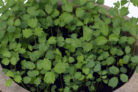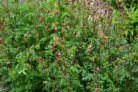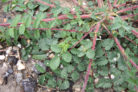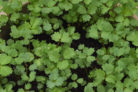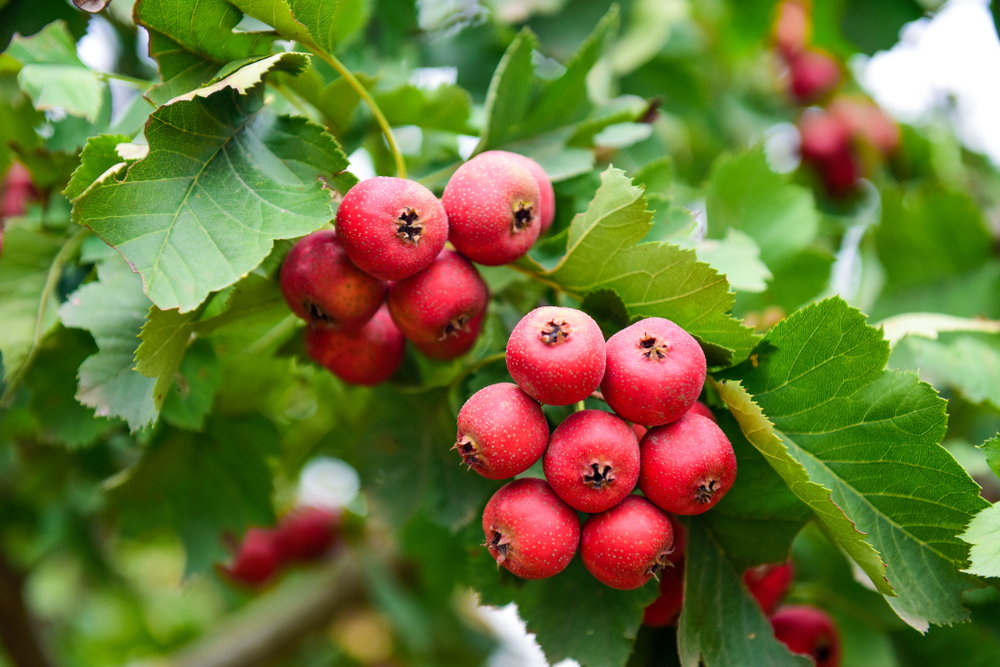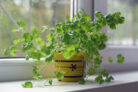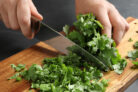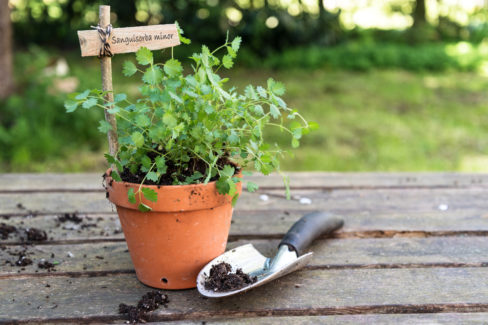
Salad Burnet (or Pimpinelle, as some call it) might not be the main course, but it sure packs a punch in the flavor department! This herb has definitely earned its spot in the creative culinary world. Its unique, slightly nutty flavor and delicate cucumber scent are unmistakable yet subtle. But there’s more to this little plant than just good taste—it’s also packed with medicinal properties that are well worth exploring.
Sun and Moisture for Peak Flavor
If you’re planning on growing your own hardy Salad Burnet, you’ll want to help it develop as much aroma as possible. Without that signature scent, the herb loses its magic. To get the best results, you need the right spot and a little TLC:
- Plant it in full sun to partial shade.
- Use loose, nutrient-rich soil with a bit of lime.
- Keep the soil consistently moist (don’t forget to water during dry spells!).
- Avoid waterlogging at all costs—nobody likes soggy roots.
- If your soil is heavy, mix in some sand to improve drainage.
When and How to Harvest
The prime harvest window is from March through August. If you stay on top of pinching off the flowers, you can even keep harvesting well into the fall. For the best flavor, head out in the morning while the leaves are still dewy and fresh. Stick to the young, tender shoots; the older ones tend to get a bit bitter.
Pro tip: Pick your herbs right before you’re ready to use them, as Salad Burnet wilts pretty quickly. If you need to store it, wrap it in a damp paper towel, pop it in a plastic bag, and keep it in the fridge—but try to use it within two days.
If you have a bumper crop, keep in mind that preserving it can be tricky. Drying is a total flavor-killer for this herb. If you decide to freeze it, the aroma will stay decent for about three months, but fresh is always best.
Handle with Care: No Washing, No Cooking!
You’ve got to treat this herb’s aroma with kid gloves, or it’ll disappear before you know it. Be gentle during the harvest because those leaves are quite delicate. Try to pick clean sprigs so you don’t have to wash them, as water can actually strip away some of the flavor. Most importantly: don’t cook it! Heat is the enemy of Salad Burnet’s subtle scent. That’s why this herb is almost always used raw.
Classic Ways to Use Salad Burnet
If you’ve ever been to Frankfurt, Germany, you’ve probably tried “Green Sauce” (Grüne Soße). Salad Burnet is one of the essential herbs that gives that dish its iconic color and taste. But you don’t have to be in Germany to enjoy it! Here are some other great ways to use it:
- Sprinkled on top of bread and butter
- Mixed into herb butter or cream cheese spreads
- Tossed into fresh salads
- Whisked into cold sauces and marinades
Quick Tip:
Salad Burnet plays well with others! It harmonizes beautifully with borage, tarragon, parsley, thyme, and rosemary. It also pairs surprisingly well with garlic and onions.
Salad Burnet as a Healing Herb
The leaves aren’t just tasty; they’re loaded with Vitamin C, tannins, flavonoids, and essential oils. Traditionally, the herb is used to help with digestive issues and certain skin conditions. While it’s not the most common medicinal herb in modern cabinets, its natural benefits are definitely a nice bonus to its culinary perks!