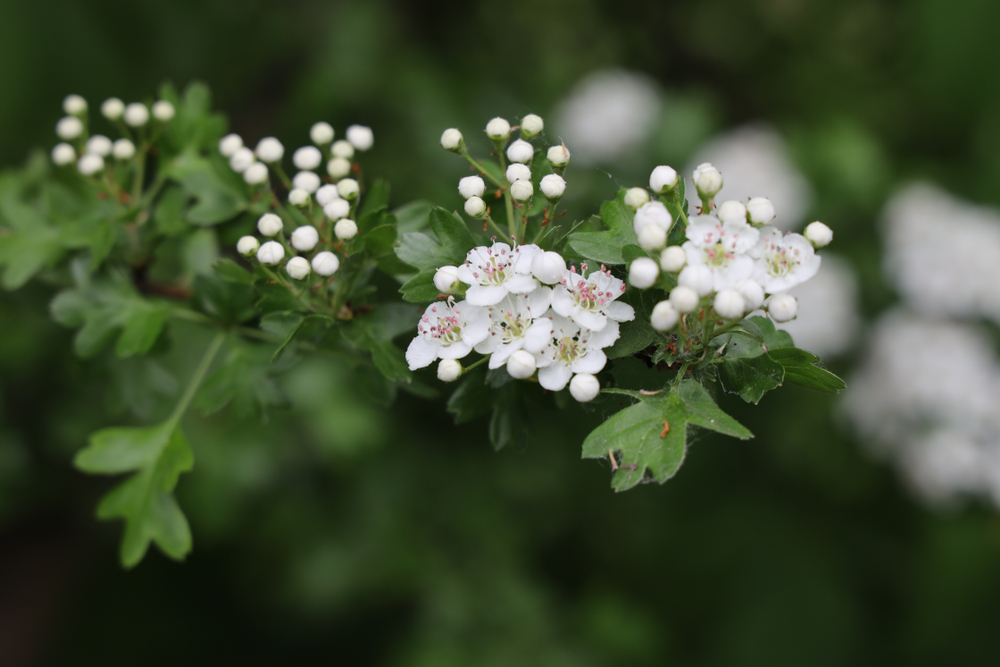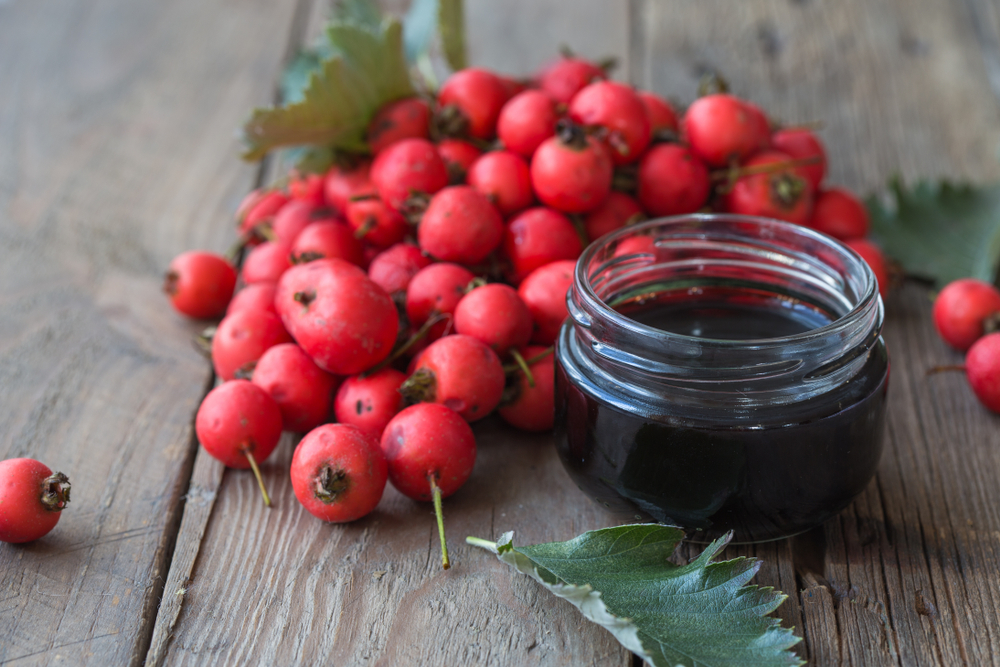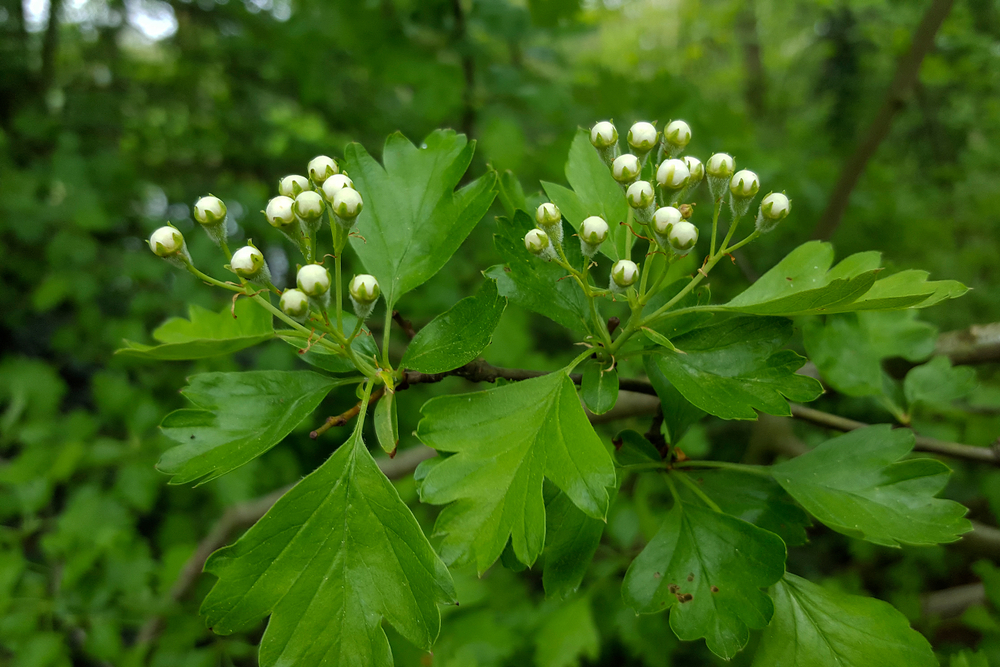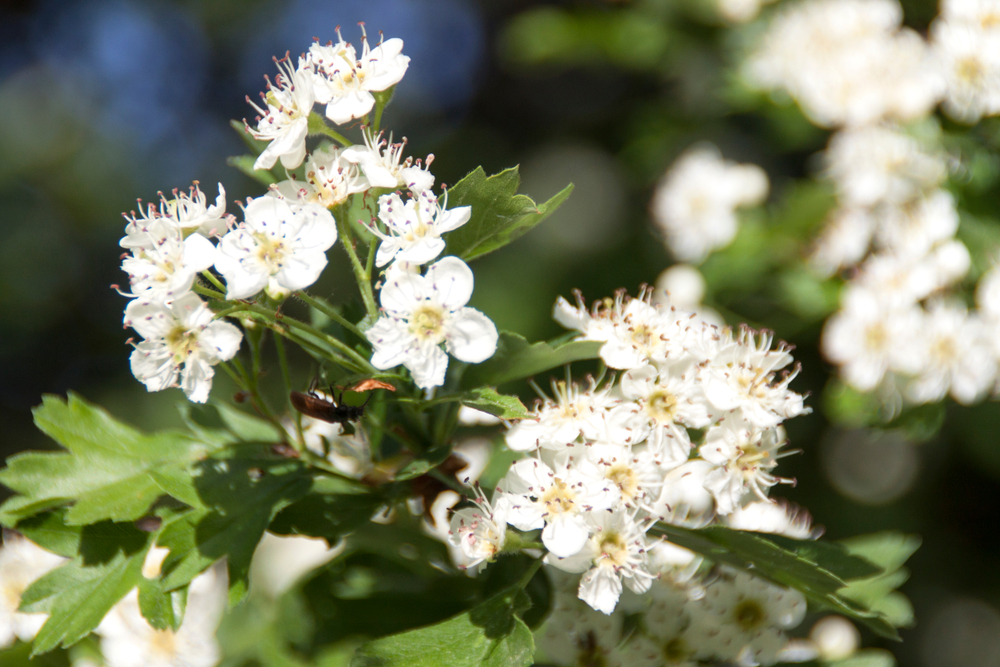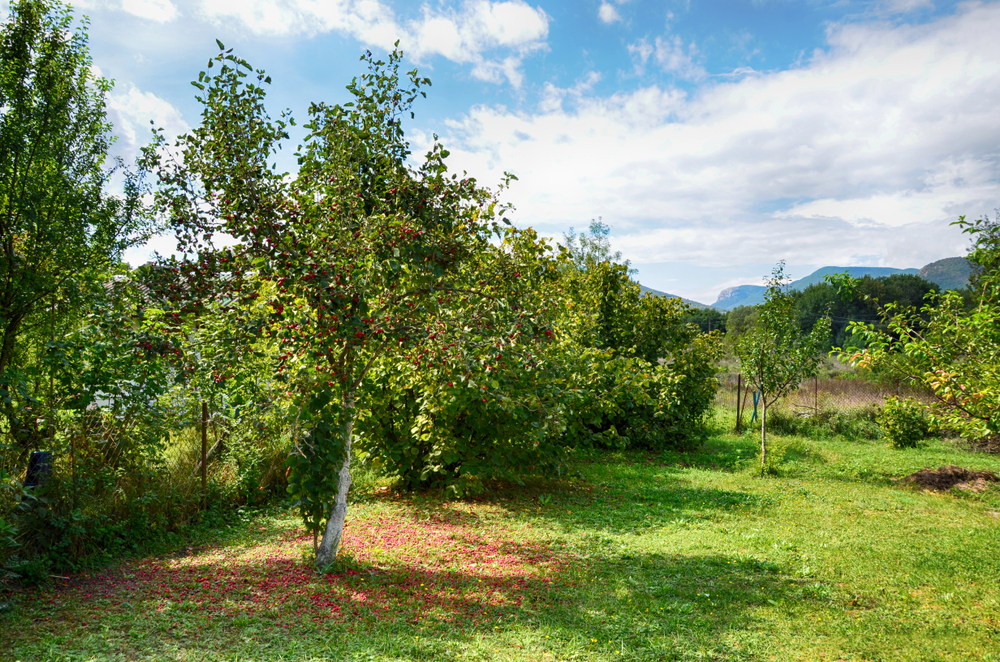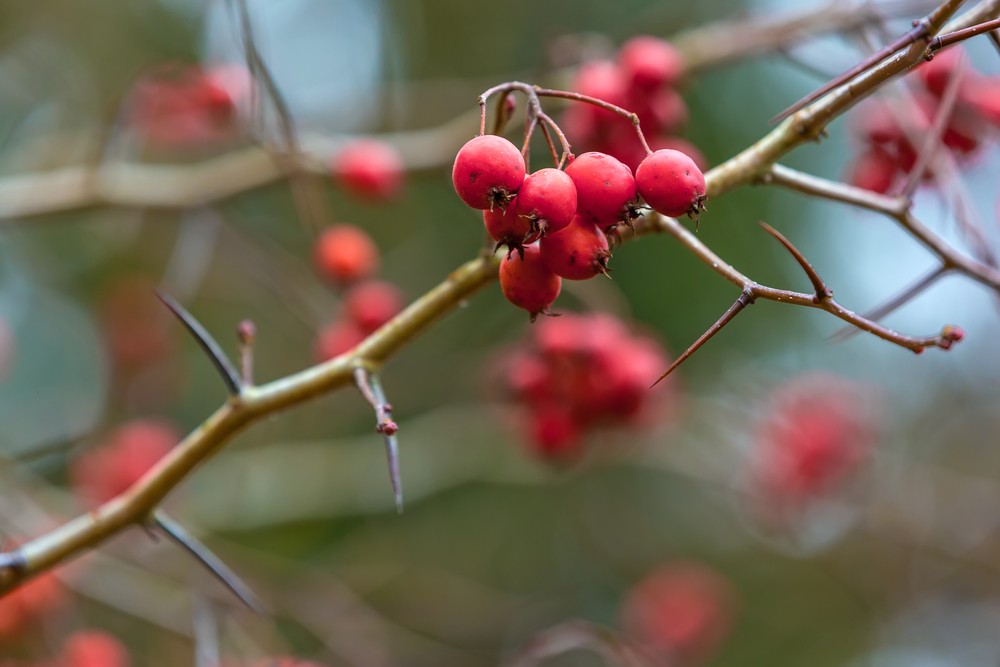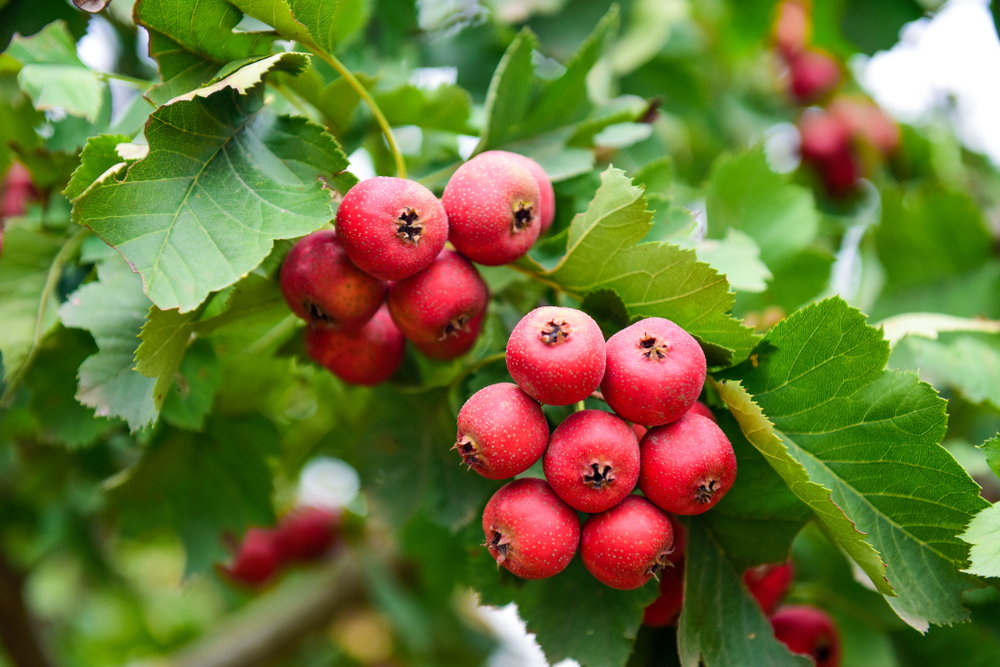
Come fall, hawthorn shrubs put on a stunning show with bright red berries that aren’t just pretty to look at—they’re actually delicious and packed with health benefits! Once you’ve gathered these little gems, there are so many ways to use them in your kitchen.
Harvesting Hawthorn Berries
You’ll want to head out for your harvest between mid and late September. A quick word of advice: be picky about where you forage. Avoid bushes near busy roads or heavily farmed areas where pesticides might be used. You want your berries clean and free from exhaust fumes or environmental toxins.
I’ll be honest—harvesting can be a bit of a slow process since the berries tend to grow individually rather than in big clusters. It takes a little patience to fill up your basket, and you’ll need a decent amount if you’re planning on making a batch of something special. Also, don’t forget your gardening gloves! Those thorns are no joke.
How to Use Your Harvest
Inside that red skin, hawthorn berries have a mealy, yellowish-white pulp that’s surprisingly tasty. The flavor is unique—aromatic, sweet, and just a little bit tart. Just keep in mind that each berry has two or three small stones inside that you’ll need to get rid of before eating.
One of my favorite ways to use them is in jams and jellies. Since hawthorn is naturally high in pectin, you won’t need to add as much jam sugar to get a great set. Because the berries aren’t super juicy on their own, it’s actually easiest to cook them down first and then strain out the seeds afterward.
If you’re looking for something cozy for the colder months, hawthorn tea is a fantastic choice. You can actually use the leaves, flowers, and the berries for this. Just soak the berries in warm water for a few hours (or even overnight), then bring everything to a boil and let it steep for about five minutes.
Looking for more ideas? You can also try making:
- Hawthorn juice
- Homemade hawthorn liqueur
- A concentrated hawthorn tincture
The Health Benefits
There’s a reason hawthorn has been a staple in natural medicine since the Middle Ages—it’s a powerhouse for your health! It’s most famous for supporting heart health, often used as a natural remedy to help manage blood pressure or support healthy circulation.
But that’s not all. If you’re feeling a bit stressed or having trouble sleeping, these little berries can be really soothing for the nervous system. The best part? Most of those beneficial compounds stay intact even after you’ve turned them into jam, tea, or liqueur. Of course, you can always just snack on them fresh, too!