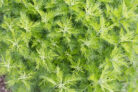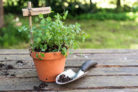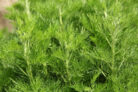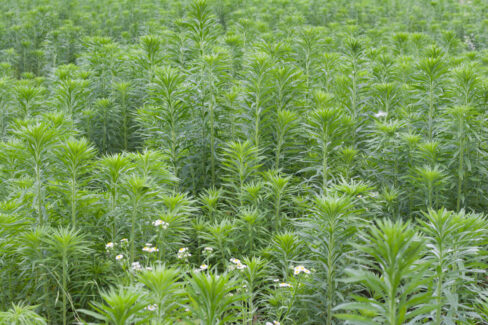
People have been raving about the healthy bitter compounds in Southernwood since ancient times. However, since most modern palates tend to lean toward milder herbs, you don’t see Southernwood in many spice racks these days. But hey, that’s starting to change! We’re big fans of bringing back these “forgotten” garden gems, and we think you should be too.
Flavor Profile and Key Compounds
Southernwood (scientifically known as *Artemisia abrotanum*) is packed with essential oils that give it a punchy fragrance and flavor. Now, whether you find that bitter kick pleasant or a bit much is totally up to you—taste is subjective, after all! Generally, you’ll run into two main varieties: “Lemon Southernwood,” which has a bright citrus scent, and “Camphor Southernwood,” which smells remarkably like soda (which is why it’s often nicknamed the “Cola Plant”).
Beyond the aroma, this plant is loaded with interesting compounds like:
- Abrotine
- Bitter substances
- Coumarin
- Tannins
- Rutin
- Quercetin
When to Harvest Your Southernwood
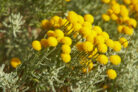
You can harvest fresh Southernwood leaves all through the summer and fall whenever you need them. In late autumn, right before the first frost hits, your bushy Southernwood plant is usually ready for a major “haircut” and a big harvest. Since the cut sprigs don’t stay fresh for long, drying them is your best bet for long-term storage. Don’t be surprised if you never see any flowers on your plant; they usually only bloom in very warm climates.
In the Kitchen
The main reason to cook with Southernwood is for its digestive benefits—those bitter compounds are great at helping your body process heavy meals. It’s a fantastic match for rich, fatty dishes. A word of advice, though: use it sparingly! Its intense aroma can easily overpower a dish if you get too heavy-handed.
If you have the “Cola” variety, you can even steep it to make a refreshing cold drink that tastes surprisingly like the classic soda.
Pro Tip:
When pruning for the kitchen, stick to the tender tips of the shoots. These are much milder. Older leaves can develop a funky aftertaste that isn’t great for seasoning.
Using it as a Medicinal Herb
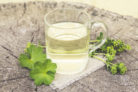
If you struggle with digestion, stomach aches, menstrual cramps, or even trouble sleeping, Southernwood might become your new best friend. It’s also traditionally used to ease cold symptoms like fevers and coughs. The classic prep is a tea: pour about 8 ounces of hot water over 1.5 teaspoons of dried herb. Let it steep for 5 minutes and enjoy 2 to 3 cups a day. *Note: If you are pregnant or have kidney issues, it’s best to skip this particular herbal tea.*
A Natural Insect Repellent
That strong scent isn’t just for show—it’s the plant’s natural defense against pests. You can actually use this to your advantage in the garden by planting it near more vulnerable neighbors. Inside the house, dried Southernwood tucked into cotton sachets works wonders at keeping moths out of your closet. And if you happen to love the scent, a small dried bouquet makes for a great natural air freshener!