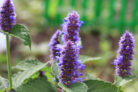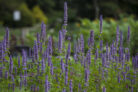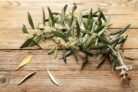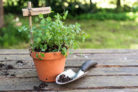
Hyssop (scientifically known as *Hyssopus officinalis*) is one of those incredibly versatile herbs that doesn’t get nearly enough credit. While many gardeners are just starting to rediscover its benefits, this plant has so much to offer. If you’re looking to add something unique to your garden and your lifestyle, you’re going to love what this herb can do.
Hyssop as an Aromatic Kitchen Herb
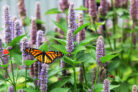
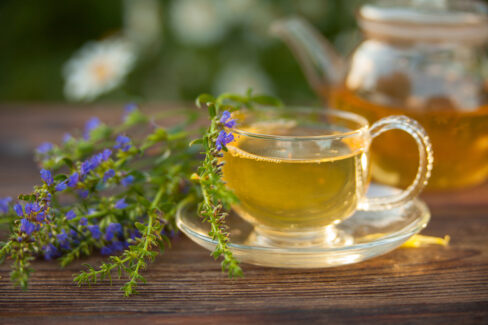
If you’re growing this hardy perennial, you can usually start harvesting the young leaves and shoots around June. They pack a punch—very savory with a slightly bitter edge. I like to describe the flavor as a delicious mashup of rosemary, oregano, and sage. Even the blue-violet flowers are edible and make a gorgeous, colorful garnish for any plate.
Pro tip: Hyssop is best used fresh. Instead of cooking it down, toss it in right before serving to keep the flavor bright. It’s a fantastic addition to:
- Potato, tomato, or pasta salads
- Soups and pot roasts
- Grilling marinades and herb butter
- Homemade herbal liqueurs
Quick Tip:
A little goes a long way! Hyssop has a very strong flavor profile, so start with a small pinch and work your way up until you find that “just right” amount for your palate.
Hyssop as a Healing Herb
Often called “Bee Herb” or sometimes “Holy Herb,” Hyssop is gaining a lot of fans in the natural wellness community. That’s why more and more people are planting it in their own backyards. It’s loaded with essential oils, tannins, and bitters, which are known for their anti-inflammatory, antispasmodic, and overall strengthening properties.
For the home gardener, Hyssop is most commonly used to help soothe cold symptoms. It’s super easy to use—no complicated recipes required! However, you do need to be mindful of the dosage to ensure you’re getting the benefits safely.
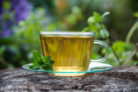
- Mix it into herbal teas or aromatic potpourri blends
- Keep the Hyssop content to a maximum of 5% of the total mix
Note:
If you are pregnant, have young children, or suffer from epilepsy, you should use Hyssop very sparingly or avoid it altogether. High doses or long-term use can potentially lead to adverse effects in these cases.
The Perfect Spot for Maximum Flavor
To get the most aromatic oils out of your plant, you need to pick the right spot before sowing your seeds or transplanting. Think “Mediterranean vibes”: full sun and a spot protected from harsh winds will result in the most intense aroma. The soil should be loose, well-draining, and on the drier side, as Hyssop hates having “wet feet” (soggy roots). Plus, this herb absolutely loves a bit of lime in the soil!