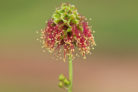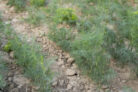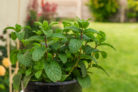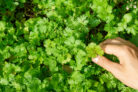
It’s honestly amazing how much flavor can be packed into such tiny, delicate leaves. Salad Burnet (or *Pimpinella*) is the perfect example of this. But if you want to capture that “wow” factor in your own garden, you need to make sure you’re hitting all the right notes to develop its signature aroma. Let’s dive into what makes this herb thrive.
The Perfect Spot for Flavor-Packed Leaves
This spicy little herb, often called “Little Burnet,” is actually pretty low-maintenance. However, don’t just stick it in any old corner of the yard. To get that classic, refreshing cucumber flavor, these leaves need a balance of bright sun and plenty of moisture. Here is what to look for in a location:
- Pick a spot with full sun to partial shade.
- The soil should stay moderately moist but drain well (no soggy feet!).
- It loves nutrient-rich, slightly limey (alkaline) soil.
Pro Tip:
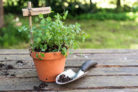
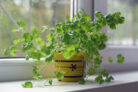
No garden? No problem! Salad Burnet does great in large pots. Just make sure you keep up with its needs for warmth, light, and moist, well-draining potting mix.
Spring Sowing Made Easy
The best way to get started is with seeds. You can find seed packets at most garden centers, home improvement stores, or online. Since Salad Burnet is hardy and handles the cold like a champ, you don’t even need to worry about starting them indoors.
- Sow your seeds directly in the garden as early as March.
- Prep the bed by digging it over, smoothing it out, and clearing any weeds.
- Mix in some compost for nutrients and a bit of sand if your soil needs better drainage.
- Scatter the seeds and press them down lightly.
- Only cover them with a very thin layer of soil—they like a bit of light to germinate.
- Keep the soil consistently moist.
- Once they sprout, thin the seedlings to about 12 x 16 inches apart.
- Keep an eye out for weeds and pull them early so they don’t compete.
To keep your herb patch looking fresh and tasting great, it’s a good idea to re-sow every 3 to 4 years. Alternatively, you can propagate the plants by dividing the roots in the spring or fall.
Care and Winterizing
When it comes to maintenance, watering is your main job. Don’t underestimate it! In the heat of summer, you’ll likely be watering daily, especially if you’re growing in containers. Try to water at the base of the plant to keep the leaves dry; this helps prevent powdery mildew. Other than that, it’s a pretty tough plant that resists most pests and diseases. A little compost or organic fertilizer in the spring is all the “food” it needs.
If your plants are in the ground, they can stay there all winter. Leave the dried foliage on until spring—it acts as a natural blanket for the roots. For potted plants, wrap the containers in garden fleece and move them to a sheltered spot to get through the frost.
Harvesting and Kitchen Tips
You can start harvesting as soon as the new growth pops up in March, and the season usually runs through mid-August. Here’s a secret: if you pinch off the flower stalks as they appear, the plant will keep producing tasty edible shoots well into the fall.
While you can chop and freeze the leaves (they’ll keep their flavor for about three months), I’d skip drying them. Dried Salad Burnet loses almost all of its character. It’s always best fresh-picked! Stick to the young, tender leaves for the best texture.
Pro Tip:
There are so many ways to use Salad Burnet in the kitchen, but it’s most famous as a key ingredient in “Frankfurt Green Sauce.” It’s a classic for a reason—definitely look up a recipe and give it a try!