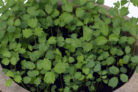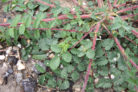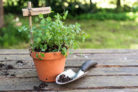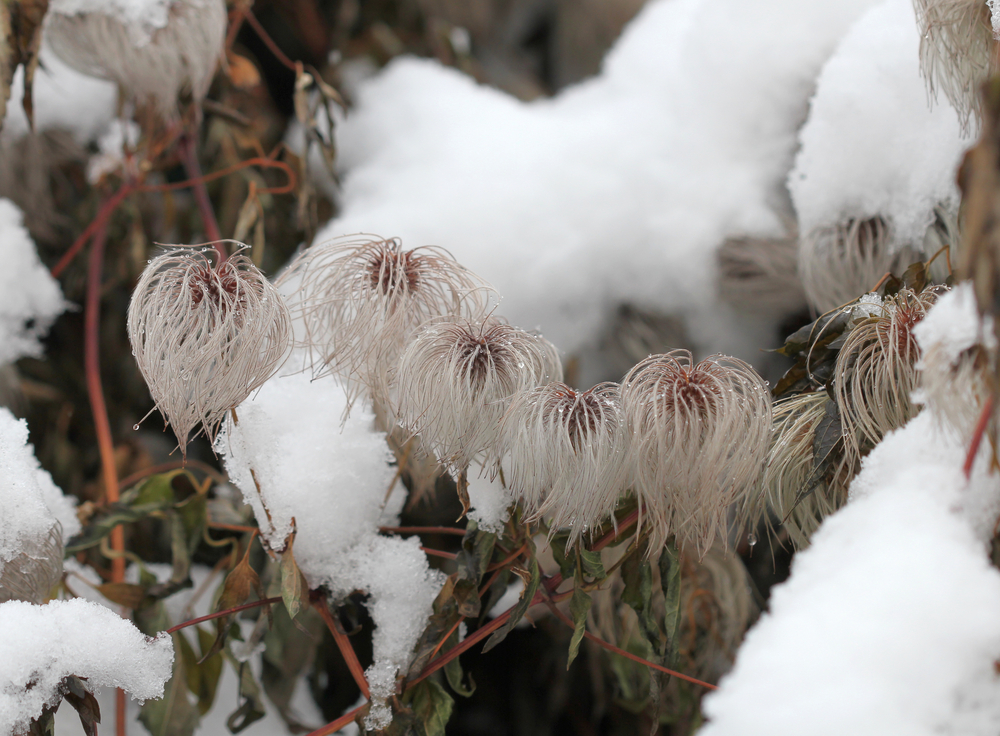
Salad Burnet (or Pimpinelle, as some call it) is a total champ when it comes to surviving the winter. Whether you live somewhere with mild winters or in a spot where the wind really howls, this hardy herb can handle it. Just keep in mind that even the toughest plants need a little “me time” during the cold months—Salad Burnet will usually drop its leaves and retreat into its roots to stay cozy.
Getting Through Winter in the Garden Bed
Since Salad Burnet is a perennial, you can plan on growing it for several years. It’s very reliable about bouncing back in the spring. In the fall, you’ll notice the parts above ground starting to die back as the plant pulls its energy down into the rootstock for the winter.
- Leave those dried-up stems right where they are!
- They act as a natural blanket against the cold.
- Wait until early spring to trim them away.
- Extra mulch isn’t strictly necessary, but it doesn’t hurt.
- A few evergreen branches or brush can provide a nice extra layer of protection.
Pro Tip:
If you don’t want to miss out on that fresh, cucumber-like flavor during the winter, your best bet is to freeze part of your summer harvest. While drying works for many herbs, it really ruins the flavor of Salad Burnet, so I wouldn’t recommend it.
Overwintering Potted Salad Burnet
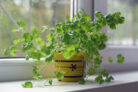
If you don’t have a garden plot, this herb does great in containers. However, pots are a bit trickier in the winter. In the ground, the soil protects the roots from the sides, but in a pot, the frost can attack from every angle. Even a hardy plant like Salad Burnet can lose some roots if the pot freezes solid. You don’t need to bring it inside, but you should definitely give it a little extra armor:
- Move the pot to a sheltered spot (like against a house wall).
- Wrap the sides of the pot in burlap or bubble wrap.
- Cover the soil surface with pine boughs or brush.
- Place the pot on a piece of Styrofoam or wood to insulate it from the frozen ground.
A Fresh Start in Early Spring
One of the best things about Salad Burnet is how early it wakes up. Usually by March, you’ll see those first green shoots popping up. That’s your signal to remove any winter covers so the plant can get plenty of light and room to grow. You can start using those first tender sprigs in your kitchen right away!
Even though it’s a hardy perennial, Salad Burnet isn’t exactly “immortal.” It tends to lose its vigor after a few years. I recommend starting fresh every three or four seasons. You can easily do this by dividing your existing plant or by simply planting some new seeds.
Hardy, but Sun-Loving
Even though this herb is a frost survivor, it definitely has a “sunny disposition.” In milder climates, it might even stay green all winter and keep producing new leaves. Just remember: the more sun you give it at its planting site, the more flavorful and aromatic your harvest will be!